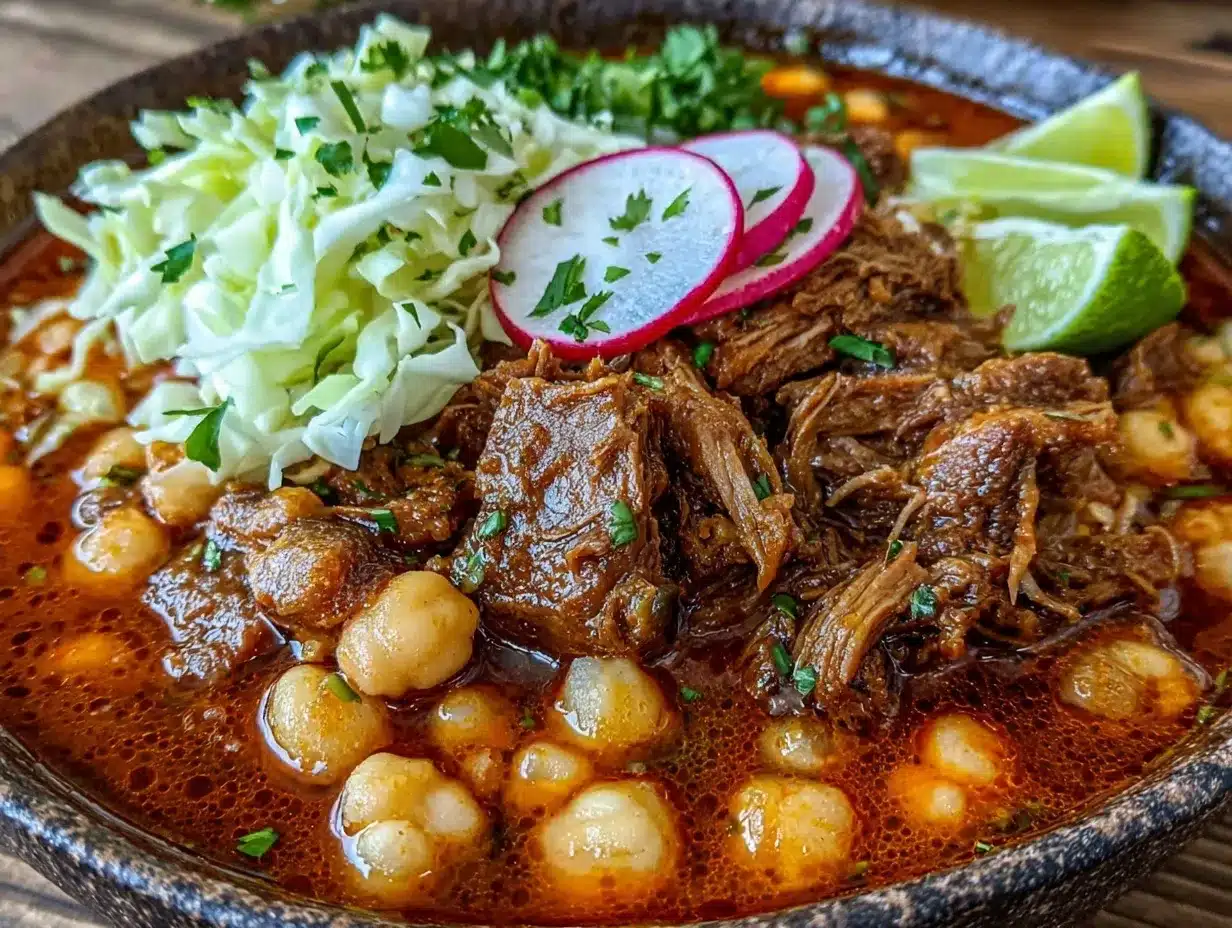
Let me tell you, the scent of rich, smoky chilies mingling with slow-cooked pork and hominy bubbling away on the stove is enough to make anyone’s mouth water. The first time I made this hearty pozole rojo, I was instantly hooked—there’s just something about that deep red broth, the tender pork falling apart, and the crunch of fresh toppings that stops you mid-bite. Honestly, it’s the kind of moment where you pause, take a deep breath, and just smile because you know you’re onto something truly special. Years ago, when I was knee-high to a grasshopper, my abuela used to simmer this stew for hours on chilly weekends, and it was always the highlight of our family gatherings.
My family couldn’t stop sneaking spoonfuls right off the stove (and I can’t really blame them). It’s dangerously easy to keep coming back for more of this comforting Mexican classic. You know, whether you’re looking to brighten up a potluck, whip up a soul-soothing meal for your kids, or impress friends with authentic flavors, this hearty pozole rojo with tender pork is your new go-to. I’ve tested this recipe multiple times (in the name of research, of course) and it’s become a staple for family dinners and gifting during holidays. It feels like a warm hug in a bowl—you’re going to want to bookmark this one.
Why You’ll Love This Recipe
Let me share why this hearty pozole rojo recipe stands out from the crowd. Coming from a background steeped in Mexican culinary traditions, I’ve fine-tuned this dish so you get that perfect balance of smoky, tangy, and savory flavors every single time.
- Quick & Easy: While traditional pozole can be time-consuming, this recipe comes together in about 2 hours, making it perfect for weekends or relaxed weeknights.
- Simple Ingredients: No exotic trips to specialty stores—everything you need is likely already in your pantry or local market.
- Perfect for Gatherings: Whether it’s a festive celebration or a cozy family dinner, this pozole rojo is always a hit.
- Crowd-Pleaser: Kids and adults alike rave about the tender pork and the zesty broth—plus, the toppings bar lets everyone customize their bowl.
- Unbelievably Delicious: The combination of slow-simmered pork, hominy, and roasted dried chilies creates a flavor that’s comforting and bold, with just the right kick.
This isn’t just any pozole rojo. The secret lies in roasting and blending the guajillo and ancho chilies for a vibrant, smoky base, and choosing pork shoulder that melts in your mouth. I also add a touch of oregano and a hint of cumin to give it that classic Mexican soul food taste. Honestly, this recipe makes me close my eyes after the first bite because it hits that comfort food spot like nothing else. It’s the kind of meal you want to share, savor, and keep coming back to.
What Ingredients You Will Need
This recipe uses simple, wholesome ingredients to deliver bold flavor and satisfying texture without the fuss. Most are pantry staples or easy to find at local markets.
- Pork Shoulder: 3 pounds (1.36 kg), cut into large chunks (for tender, juicy meat)
- Hominy: 4 cups (about 1 cup dried or 2 cans, drained) – I recommend canned white hominy for convenience
- Dried Guajillo Chilies: 6 large, stems and seeds removed (adds smoky heat)
- Dried Ancho Chilies: 2 large, stems and seeds removed (adds deep, rich flavor)
- Yellow Onion: 1 large, quartered
- Garlic: 4 cloves, peeled
- Bay Leaves: 2 whole
- Oregano: 1 teaspoon dried Mexican oregano (key for authentic aroma)
- Cumin: ½ teaspoon ground (optional, for warmth)
- Salt: To taste (start with 1 tablespoon and adjust)
- Black Pepper: Freshly ground, to taste
- Vegetable or Chicken Broth: 8 cups (1.9 liters), low sodium preferred
- Vegetable Oil: 2 tablespoons (for toasting chilies)
Toppings (Optional but highly recommended):
- Shredded cabbage or lettuce (adds crispness)
- Radishes, thinly sliced (adds peppery crunch)
- Chopped white onion
- Fresh cilantro leaves
- Lime wedges (for brightness)
- Avocado slices
- Dried oregano and crushed red pepper flakes
- Warm corn tortillas or tostadas
You can swap pork shoulder with pork butt if needed. For a gluten-free option, just double-check your broth brand. I personally like using homemade chicken broth or a trusted low-sodium brand like Pacific Foods for the best control over seasoning. For chilies, I find that fresh dried guajillo and ancho chilies from Mexican markets give the best authentic flavor, but online sources work too. In summer, you could throw in some fresh corn kernels for extra sweetness.
Equipment Needed
- Large heavy-bottomed pot or Dutch oven (6-quart or larger) – ideal for slow simmering pork and broth
- Blender or food processor – to puree the chili sauce smoothly
- Fine mesh strainer (optional) – for a silky broth, but not required if you like a bit of texture
- Sharp chef’s knife and cutting board – for prepping pork and vegetables
- Slotted spoon – to remove pork pieces easily
- Measuring cups and spoons
If you don’t have a Dutch oven, a heavy stockpot works just fine. Personally, I’ve used a cast iron Dutch oven for years and love how evenly it cooks the pork without hot spots. For the blender, a strong motor helps get the chili sauce creamy; if you only have a hand blender, just be sure to chop chilies finely before blending. For budget-friendly options, any large stainless steel pot will do, and a basic immersion blender can get the job done.
Preparation Method
- Prepare the chilies: Start by heating a dry skillet over medium heat. Toast the dried guajillo and ancho chilies for about 1-2 minutes per side until fragrant but not burnt. Remove and soak them in hot water for 20 minutes to soften.
- Cook the pork: While chilies soak, season pork chunks generously with salt and pepper. In your large pot or Dutch oven, heat 1 tablespoon of vegetable oil over medium-high heat. Brown the pork pieces on all sides (about 5-7 minutes), working in batches if needed. Browning adds flavor, so don’t skip this step. Remove browned pork and set aside.
- Make the chili sauce: Drain the softened chilies and add them to your blender along with the quartered onion, garlic cloves, 1 cup of broth, oregano, and cumin. Blend until smooth. If the sauce is too thick, add a splash more broth to help it along.
- Simmer the pozole: Return pork to the pot. Pour in the chili sauce and remaining broth. Add bay leaves. Stir gently to combine. Bring to a boil, then reduce heat to low and simmer gently, uncovered, for about 1.5 to 2 hours or until pork is tender and falling apart. Stir occasionally and skim off any foam or excess fat.
- Add the hominy: Once pork is tender, add the hominy (if using canned, drain and rinse first). Continue simmering for another 30 minutes so flavors meld and hominy softens.
- Adjust seasoning: Taste the pozole and add more salt or pepper if needed. Remove bay leaves before serving.
- Serve with toppings: Ladle pozole rojo into bowls and let everyone add their favorites from shredded cabbage, radishes, onion, cilantro, lime, and avocado. Warm tortillas or tostadas on the side complete the meal.
Note: If your broth reduces too much during simmering, add a bit more hot water or broth to keep it saucy but not soupy. The broth should be rich and slightly thickened. You’ll know it’s ready when the pork easily pulls apart with a fork and the hominy bursts with a tender pop.
Cooking Tips & Techniques
Honestly, pozole isn’t difficult, but a few tricks make all the difference. First, don’t rush the pork browning step—it builds flavor through caramelization. I once skipped this and the stew tasted flat, so lesson learned! Toasting the dried chilies just right is key too—too long and they turn bitter, too short and they lack depth.
When blending the chili sauce, add broth gradually so you get a smooth texture without watering down the flavor. If you want a silkier broth, strain the sauce through a fine mesh before adding to the pot, but I like leaving some texture—it feels more rustic and homey.
Simmer gently—high heat will toughen the pork and cloud the broth. Low and slow is the way to go. While it cooks, multitask by prepping toppings to have everything ready at serving. Finally, taste and adjust seasoning at the end; pozole can handle a little extra salt or a squeeze of lime to brighten it up.
Variations & Adaptations
One of the best things about pozole rojo is how adaptable it is. Here are a few ways to make it your own:
- Vegetarian version: Skip the pork and use vegetable broth with roasted mushrooms or jackfruit for a meaty texture. Add extra hominy and beans for protein.
- Spice it up: Add chopped jalapeños or serrano peppers to the broth or as a topping for more heat. For a smoky twist, try chipotle chilies in adobo sauce blended with your guajillo and ancho.
- Slow cooker method: Brown the pork and blend the sauce as usual. Then combine everything in a slow cooker and cook on low for 6-8 hours. Add hominy in the last hour.
- Seasonal twist: In fall or winter, add diced winter squash or sweet potatoes for extra warmth and sweetness.
- Personal favorite: I sometimes add a splash of Mexican beer during simmering for a subtle maltiness that’s irresistible.
- Allergen-friendly: Make sure to use gluten-free broth and verify canned hominy ingredients if allergies are a concern.
Serving & Storage Suggestions
Serve your hearty pozole rojo steaming hot with plenty of fresh toppings on the side. The lime wedges and crunchy radishes really brighten the rich broth. For a festive table, line up bowls with shredded cabbage, onion, cilantro, and avocado so everyone can build their perfect bowl. Corn tortillas or crisp tostadas are essential for scooping up this comforting stew.
Leftovers keep beautifully in the fridge for 3-4 days. The flavors actually deepen overnight, so it’s a great make-ahead meal. Reheat gently on the stove over low heat, adding a splash of broth or water if it’s too thick. You can also freeze pozole in airtight containers for up to 3 months—just thaw overnight in the fridge before reheating.
If you want to keep toppings fresh, store them separately and add just before serving. This way, the cabbage stays crisp and the avocado doesn’t brown. Pozole is perfect for batch cooking and sharing with family or friends, because it tastes just as wonderful the next day.
Nutritional Information & Benefits
This hearty pozole rojo with tender pork is a nourishing meal packed with protein, fiber, and essential vitamins. A typical serving contains approximately 450-500 calories, with about 35 grams of protein from the pork and hominy. Hominy provides complex carbohydrates and fiber, which help keep you full and satisfied.
Pork shoulder, while flavorful, offers good amounts of B vitamins and minerals like zinc and iron. The dried chilies bring antioxidants and a dose of vitamin A, supporting immune health. Using broth with low sodium keeps the dish heart-friendly. This recipe is naturally gluten-free and can be adapted for dairy-free diets.
From a wellness perspective, it’s a balanced comfort food that warms the soul without weighing you down. Eating pozole rojo feels like a celebration of wholesome, traditional Mexican cooking that’s both satisfying and nourishing.
Conclusion
If you’re craving an authentic Mexican comfort meal that’s packed with flavor, this hearty pozole rojo with tender pork is the perfect choice. It’s a recipe that invites you to slow down, savor each bite, and enjoy the company of loved ones. You can easily customize it with your favorite toppings or dietary tweaks, making it a versatile dish for any occasion.
I love this recipe because it connects me to my roots and brings back warm memories of family dinners filled with laughter and love. Plus, it’s just downright delicious and satisfying. I encourage you to give it a try, experiment with the toppings, and make it your own.
Don’t forget to share your pozole rojo adventures in the comments below—I’d love to hear your variations and how it turned out for you! Happy cooking, amigos, and may your kitchen always smell like a fiesta.
FAQs
What cut of pork is best for pozole rojo?
Pork shoulder (aka pork butt) is ideal because it becomes tender and juicy when slow-cooked. It also has enough fat to keep the meat flavorful.
Can I use canned hominy instead of dried?
Yes! Canned hominy is a great shortcut. Just drain and rinse it before adding to the stew. It softens faster than dried hominy.
How spicy is pozole rojo?
It has a moderate heat level from the guajillo and ancho chilies, which are more smoky than fiery. You can control spice by adjusting chili amounts or adding fresh jalapeños.
Can I make pozole rojo in a slow cooker?
Absolutely! Brown the pork and blend the sauce first, then cook everything on low for 6-8 hours. Add hominy in the last hour for best texture.
How long does pozole rojo keep in the fridge?
Stored in an airtight container, pozole rojo lasts 3-4 days refrigerated. Flavors deepen after resting overnight, making leftovers even better!
Pin This Recipe!

Hearty Pozole Rojo Recipe with Tender Pork

A comforting and authentic Mexican stew featuring slow-simmered pork shoulder, hominy, and a smoky red chili broth, perfect for family gatherings and cozy meals.
- Prep Time: 30 minutes
- Cook Time: 1 hour 45 minutes
- Total Time: 2 hours 15 minutes
- Yield: 8 servings 1x
- Category: Main Course
- Cuisine: Mexican
Ingredients
- 3 pounds pork shoulder, cut into large chunks
- 4 cups hominy (about 1 cup dried or 2 cans, drained)
- 6 large dried guajillo chilies, stems and seeds removed
- 2 large dried ancho chilies, stems and seeds removed
- 1 large yellow onion, quartered
- 4 garlic cloves, peeled
- 2 whole bay leaves
- 1 teaspoon dried Mexican oregano
- ½ teaspoon ground cumin (optional)
- Salt to taste (start with 1 tablespoon)
- Freshly ground black pepper to taste
- 8 cups low sodium vegetable or chicken broth
- 2 tablespoons vegetable oil (for toasting chilies)
Instructions
- Toast dried guajillo and ancho chilies in a dry skillet over medium heat for 1-2 minutes per side until fragrant but not burnt. Remove and soak in hot water for 20 minutes to soften.
- Season pork chunks generously with salt and pepper. Heat 1 tablespoon vegetable oil in a large pot or Dutch oven over medium-high heat. Brown pork pieces on all sides (5-7 minutes), working in batches if needed. Remove browned pork and set aside.
- Drain softened chilies and add to blender with quartered onion, garlic cloves, 1 cup broth, oregano, and cumin. Blend until smooth, adding more broth if needed to thin sauce.
- Return pork to pot. Pour in chili sauce and remaining broth. Add bay leaves. Bring to a boil, then reduce heat to low and simmer uncovered for 1.5 to 2 hours until pork is tender and falling apart. Stir occasionally and skim off foam or excess fat.
- Add hominy (drained and rinsed if canned) to pot. Continue simmering for another 30 minutes to meld flavors and soften hominy.
- Taste and adjust seasoning with salt and pepper. Remove bay leaves before serving.
- Ladle pozole rojo into bowls and serve with optional toppings such as shredded cabbage, radishes, chopped onion, cilantro, lime wedges, avocado slices, dried oregano, crushed red pepper flakes, and warm corn tortillas or tostadas.
Notes
If broth reduces too much during simmering, add hot water or broth to maintain a rich, slightly thickened consistency. For a silkier broth, strain chili sauce before adding to pot. Browning pork adds flavor and should not be skipped. Toast chilies carefully to avoid bitterness. Slow simmering on low heat ensures tender pork and clear broth. Store toppings separately to keep them fresh.
Nutrition
- Serving Size: 1 bowl (about 1.5 cu
- Calories: 475
- Sugar: 4
- Sodium: 600
- Fat: 18
- Saturated Fat: 6
- Carbohydrates: 30
- Fiber: 6
- Protein: 35
Keywords: pozole rojo, Mexican stew, pork shoulder, hominy, chili sauce, comfort food, authentic Mexican recipe