I thought roasting tomatoes for salsa would be straightforward—just toss them in the oven and call it a day. It took about 20 minutes for that to fall apart completely. The tomatoes refused to soften evenly, and the flavor was, well, meh. But then I grabbed the grill and tossed the tomatoes directly over the fire, and suddenly everything changed. The smoky char, the blistered skin, the juicy insides—it all came together in a way my oven just couldn’t mimic.
Fire-roasting tomatoes isn’t just a step; it’s a game-changer. The moment you smell that smoky aroma wafting through the kitchen, you know you’re onto something special. I remember the first time I made this flavorful fire-roasted tomato salsa for canning—the kitchen was a mess, bits of charred skin everywhere, but the taste made it worth every smoky finger and extra wash-up. It’s the kind of salsa that makes you pause, savor, and maybe even close your eyes for a second bite.
What’s funny is that I didn’t set out to make a canning recipe. It started as a way to handle an overabundance of garden tomatoes, and the fire-roasted flavor just begged to be preserved. Now, every year, when tomatoes flood my kitchen, this salsa jars up perfectly for later, capturing summer in a jar. Honestly, it feels like a little act of magic—turning fresh, simple ingredients into something that lasts and tastes like sunshine all year round.
It’s not just about the heat or the fire; it’s the balance of smoky, tangy, and fresh that makes this recipe stick with me. If you’ve ever been skeptical about home canning or thought salsa was complicated, this recipe will quietly change your mind. It’s straightforward, rewarding, and yes—utterly addictive.
Why You’ll Love This Recipe
Having tinkered with salsa recipes for years, I can say this one stands out for a few reasons that make it my go-to for canning season:
- Quick & Easy: From fire-roasting to jarred goodness in under 2 hours—perfect when you have a tomato glut but not all day.
- Simple Ingredients: No obscure spices or fancy sauces needed. Just fresh tomatoes, peppers, onions, and pantry staples.
- Perfect for Canning: Designed specifically with safe canning in mind, so you can stock your pantry and enjoy salsa all year long.
- Crowd-Pleaser: Whether it’s a casual taco night or an impromptu party, this salsa gets rave reviews from kids and adults alike.
- Unbelievably Delicious: The smoky fire-roasted flavor adds depth that you just don’t get from store-bought salsa.
What makes this recipe truly different is the fire-roasting technique, which I learned from a backyard grilling experiment that went sideways in the best way. It’s not just roasted; it’s kissed by flame and smoke, creating a complexity that’s hard to describe but impossible to ignore. I bet you’ll close your eyes after the first taste, savoring that perfect balance of heat, sweetness, and smoke.
This salsa isn’t just a condiment—it’s a way to bottle up summer afternoons, the smell of charred wood, and the satisfaction of homemade food. If you’re into recipes that turn humble ingredients into something memorable (kind of like the smoked pulled pork sliders that wow every time), this one’s for you.
What Ingredients You Will Need
This flavorful fire-roasted tomato salsa for canning leans on straightforward, fresh ingredients that come together to create bold flavors and a satisfying texture without fuss. Most of these are pantry staples or garden-fresh picks, and substitutions are easy if needed.
- Tomatoes (about 10 cups, roughly 5 pounds): Roma or plum tomatoes work best for thick salsa; their dense flesh means less watery salsa. Look for firm, ripe tomatoes with vibrant color.
- Onions (2 medium-sized, chopped): Yellow onions add sweetness; white onions are sharper. Choose based on your taste preference.
- Jalapeño peppers (2-3, seeded for less heat): Fresh jalapeños bring a moderate kick. You can swap with serranos for more heat or bell peppers for mildness.
- Garlic cloves (4-5, minced): Fresh garlic is essential for that punchy aroma. Avoid pre-minced garlic in jars here—it just doesn’t compare.
- Fresh cilantro (½ cup, chopped): Adds brightness and herbaceous notes. If you’re not a cilantro fan, parsley is a decent substitute.
- Lime juice (from 2 limes): Freshly squeezed to add acidity and balance the smoky sweetness.
- White vinegar (½ cup): Key for safe canning and preserving the salsa’s tang.
- Salt (2 teaspoons): Use kosher or sea salt for clean flavor. Adjust to taste.
- Sugar (1 teaspoon): Cuts acidity slightly and rounds out the flavor.
Some pointers: If you want to try a smoky twist without a grill, a broiler or cast-iron skillet can work for roasting, but the fire-roasted flavor is hard to beat. I prefer organic tomatoes when possible, especially for canning, since they’re fresher and less likely to have pesticide residues. Also, if you’re into spice variations, adding a chipotle pepper in adobo can really punch up the smoky heat.
For those exploring dietary needs, this recipe is naturally gluten-free and vegan. If you want a less acidic salsa, reduce vinegar slightly but be cautious with canning safety.
Equipment Needed
- Grill or open flame source: Essential for authentic fire-roasting. A charcoal grill adds the best flavor, but gas grills or even a campfire work.
- Large mixing bowl: For combining ingredients once roasted.
- Sharp chef’s knife and cutting board: For chopping vegetables precisely.
- Food processor or blender: Optional, if you want a smoother salsa texture; otherwise, hand-chopped keeps it rustic.
- Canning jars and lids: Mason jars with new lids to ensure proper sealing.
- Large pot or canner: For water bath canning to preserve salsa safely.
- Jar lifter and funnel: Makes filling and handling hot jars easier and safer.
When I first started canning, I used basic glass jars from the supermarket, but investing in proper canning jars and tools made my life so much easier and safer. If you’re on a budget, consider borrowing or buying secondhand equipment from local markets or online. Maintaining your grill grate with a wire brush before roasting will help avoid stuck-on bits and burnt flavors that can ruin the salsa’s taste.
Preparation Method
- Prepare your fire-roasting setup: Preheat your grill or fire pit to medium-high heat, aiming for a steady flame with glowing embers. This usually takes about 15 minutes.
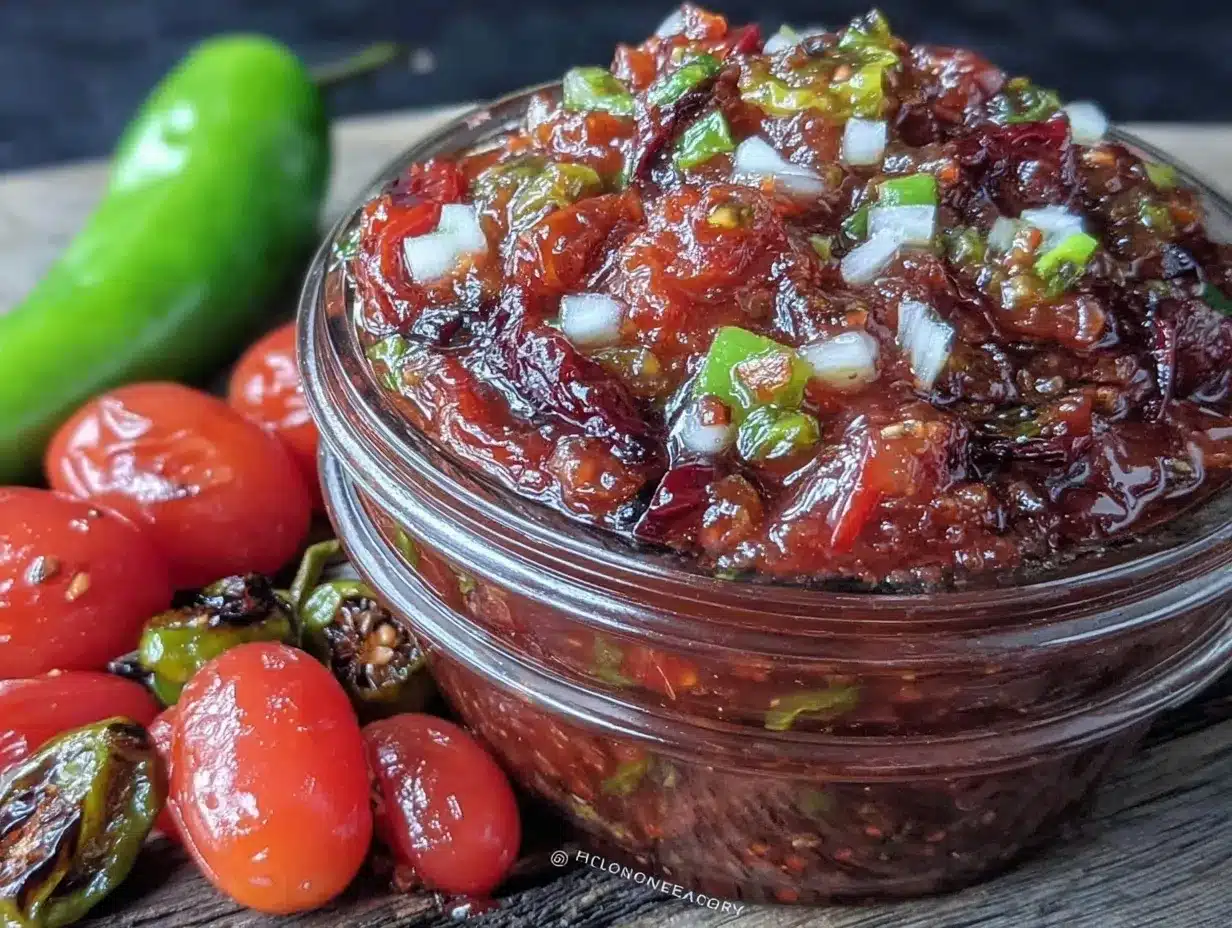
- Roast the tomatoes: Place whole tomatoes directly on the grill grates. Let them char and blister, turning occasionally. This takes roughly 10-15 minutes until the skin is blackened and the flesh softens. You’re looking for a smoky aroma and tender tomatoes that still hold shape.
- Roast peppers and onions: Halve and seed the jalapeños, then roast alongside the tomatoes until skins blister and onions soften, about 8-10 minutes. Watch closely so nothing burns to a crisp.
- Cool and peel: Transfer the roasted vegetables to a bowl and cover with a clean towel for 10 minutes. This steaming step loosens the skins, making peeling easier. Peel off the skins from tomatoes and peppers; don’t worry if some charred bits remain—they add flavor.
- Chop and combine: Roughly chop the peeled tomatoes, peppers, and onions. Place them in a large bowl. Add minced garlic, chopped cilantro, lime juice, vinegar, salt, and sugar.
- Blend or hand-mix: For chunky salsa, stir well with a spoon. For smoother texture, pulse in a food processor just a few times—over-blending turns it watery.
- Simmer the salsa: Pour the mixture into a large pot. Bring to a simmer over medium heat, stirring frequently for 15 minutes. This lets flavors meld and ensures safe acidity for canning.
- Prepare jars and lids: While salsa simmers, sterilize your jars and lids by boiling them for 10 minutes. Keep them hot until filling.
- Fill jars and process: Using a funnel, ladle hot salsa into jars, leaving ½ inch headspace. Wipe rims clean, apply lids, and screw bands fingertip-tight. Process jars in a boiling water bath for 15 minutes.
- Cool and store: Remove jars with a jar lifter, place on a towel to cool. Check seals after 24 hours (the lids should not flex up and down). Store in a cool, dark place for up to a year.
Pro tip: If you notice your salsa is too watery, simmer a little longer before canning to thicken it up. Also, peeling the tomatoes after roasting is easier if you let them steam under a towel—it’s a trick I picked up after lots of fumbling around. And don’t rush the water bath step; it’s crucial for safe preservation.
Cooking Tips & Techniques
Fire-roasting is an art that’s easy to mess up if you’re not paying attention. Here’s what I learned the hard way:
- Don’t rush the roasting: Let the tomatoes and peppers char properly. That blackened skin holds the smoky flavor. Skipping this step or rushing it will leave you with bland salsa.
- Watch your heat: Too high and your veggies burn to a bitter crisp; too low and you miss the fire-roasted magic. Medium-high heat with patience is your friend.
- Peeling is optional but recommended: Some charred bits add flavor, but loose skins can affect salsa texture. Steam under a towel after roasting to loosen skins for easier removal.
- Pulsing in the food processor: If you want a smooth salsa, pulse just a few times. Over-processing turns it watery and loses that satisfying texture.
- Simmer before canning: This is vital for melding flavors and ensuring acidity. It also thickens the salsa a bit.
- Test your seals: After canning, lids should stay firmly depressed. If not, refrigerate and use within a week.
For multitasking, I like to prep my chopping while the veggies roast, so I’m ready to combine everything as soon as they’re cool. And if you’re grilling alongside other dishes like grilled corn on the cob, you can time the fire-roasting to happen simultaneously to save time.
Variations & Adaptations
This salsa recipe is forgiving and adaptable, making it easy to tweak for your tastes or dietary needs:
- Heat level: Swap jalapeños for milder poblanos or hotter habaneros depending on your spice tolerance. Roasting different peppers together can add complexity.
- Texture: For a chunkier salsa, skip the blender and hand-chop; for a smoother, more sauce-like consistency, blend thoroughly but watch the water content.
- Smoky twist: Add a chipotle pepper in adobo sauce for an extra smoky, spicy punch that’s perfect on tacos or grilled meats.
- Herb swap: No cilantro? Try fresh basil or parsley for a different herbal note.
- Vinegar alternatives: You can use apple cider vinegar instead of white vinegar for a slightly fruitier tang, but keep acidity levels safe for canning.
One year, I tried adding fire-roasted corn kernels to the salsa for a sweet crunch—unexpected but delicious. It paired beautifully with smoky dishes like the beer-can chicken with spicy rub, adding a fresh bite.
Serving & Storage Suggestions
This salsa shines best fresh but also keeps beautifully canned for months. Serve it chilled or at room temperature with tortilla chips, tacos, grilled meats, or even as a zesty topping for eggs.
When opening a jar after months in the pantry, give it a good stir—flavors often deepen and meld over time. If the salsa seems thick, a splash of fresh lime juice or a drizzle of olive oil can brighten it up.
Store unopened jars in a cool, dark place like a pantry or cupboard. Once opened, keep refrigerated and use within 2 weeks for best flavor and safety.
Reheating gently on the stove is fine if you want warm salsa, but avoid boiling it again after opening to preserve fresh flavors and texture.
Nutritional Information & Benefits
This salsa is naturally low in calories and fat, packed with vitamins A and C from fresh tomatoes and peppers. The garlic and onions add antioxidants and immune support, while fresh lime juice provides a hit of vitamin C and acidity without added sugar.
It’s gluten-free, vegan, and dairy-free, making it a great choice for a wide range of diets. Plus, home canning lets you control salt and sugar levels, so you can make it as healthy as you like.
From a wellness perspective, I appreciate that this salsa feels like a fresh, lively addition to meals without any preservatives or mystery ingredients. It’s one of those small, tasty ways to add more veggies and flavor to your day.
Conclusion
This flavorful fire-roasted tomato salsa for canning is more than just a recipe—it’s a yearly ritual I look forward to. The smoky char, the fresh herbs, and that perfect balance of heat and tang come together in a way that feels both rustic and refined. You’ll find yourself reaching for it again and again, whether fresh from the jar or tucked away in your pantry.
Feel free to make it your own—adjust the heat, swap herbs, or even add your favorite extras. I love how this salsa captures summer’s essence and stretches it out for colder months. It’s a little reward for all that effort, and honestly, there’s nothing quite like opening a jar and tasting sunshine.
If you’ve made this recipe, I’d love to hear how you customized it or what dishes you paired it with. Sharing those stories is what keeps these recipes alive and exciting. Here’s to smoky, vibrant salsa and many happy jar-openings ahead!
FAQs About Fire-Roasted Tomato Salsa for Canning
How long does this salsa keep when canned properly?
When sealed and stored in a cool, dark place, the salsa can last up to 12 months unopened. Once opened, refrigerate and consume within 2 weeks.
Can I use a blender instead of roasting on a grill?
You can blend raw ingredients, but you’ll miss the smoky fire-roasted flavor that defines this salsa. Using a broiler or cast iron skillet to roast indoors is a decent alternative if a grill isn’t available.
Is this salsa safe for water bath canning?
Yes. The vinegar and lime juice provide necessary acidity for safe water bath canning. Just follow the canning times and headspace guidelines carefully.
Can I freeze this salsa instead of canning?
Absolutely. Freezing works well and preserves flavor, but the texture may be a bit softer after thawing. Use freezer-safe containers and consume within 6 months.
How can I reduce the heat if I’m sensitive to spice?
Remove seeds and membranes from peppers before roasting, or substitute milder peppers like bell peppers or poblanos. You can also add more tomatoes to dilute the heat.
Pin This Recipe!
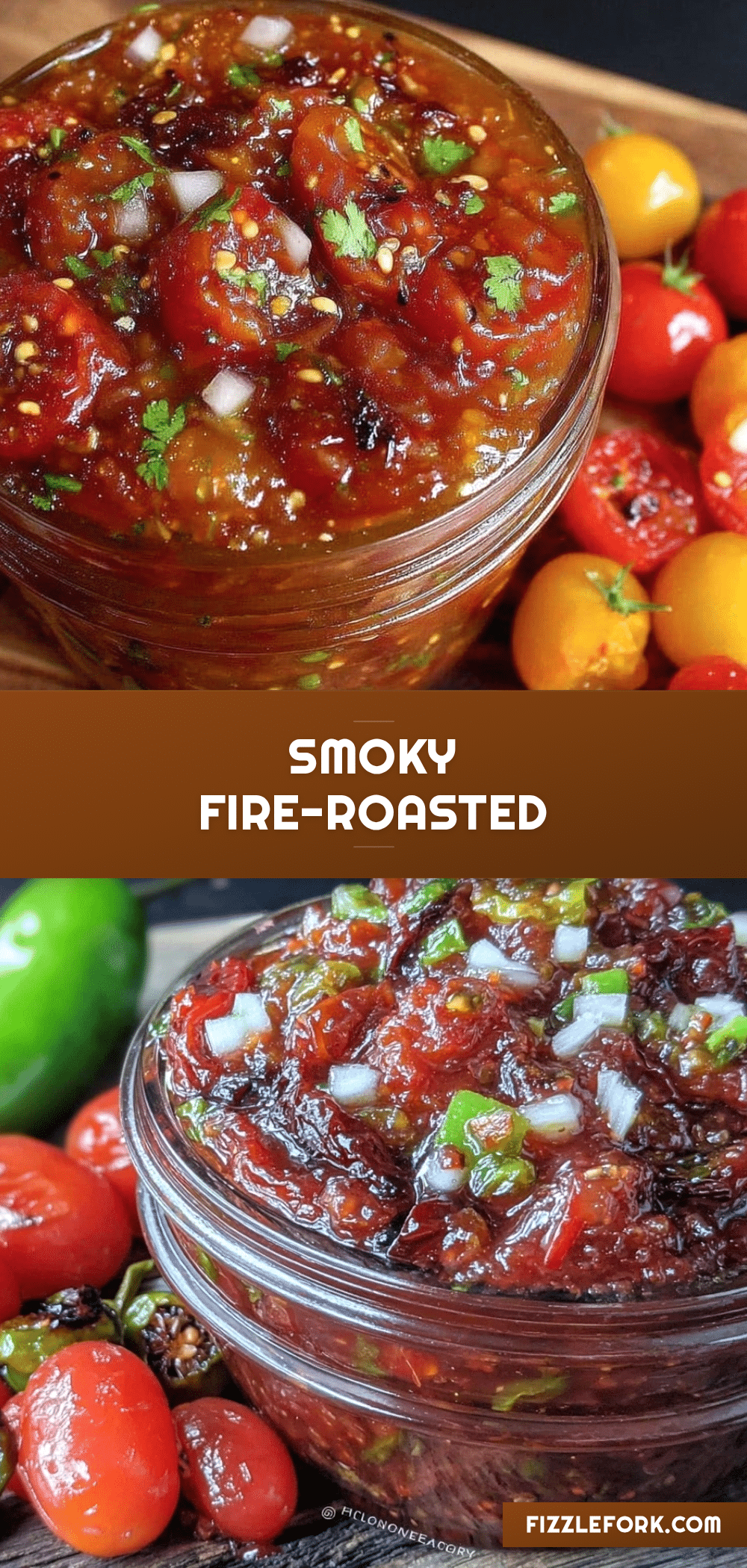
Flavorful Fire-Roasted Tomato Salsa Recipe Perfect for Easy Canning
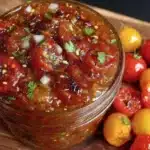
This fire-roasted tomato salsa captures smoky, tangy, and fresh flavors, perfect for canning and enjoying year-round. The smoky char and fresh ingredients create a bold, addictive salsa that is easy to make and ideal for preserving summer tomatoes.
- Prep Time: 20 minutes
- Cook Time: 40 minutes
- Total Time: 1 hour
- Yield: About 6-7 cups salsa (approximately 6-7 servings) 1x
- Category: Condiment
- Cuisine: Mexican
Ingredients
- 10 cups (about 5 pounds) Roma or plum tomatoes
- 2 medium yellow onions, chopped
- 2–3 jalapeño peppers, seeded for less heat
- 4–5 garlic cloves, minced
- ½ cup fresh cilantro, chopped
- Juice of 2 limes
- ½ cup white vinegar
- 2 teaspoons kosher or sea salt
- 1 teaspoon sugar
Instructions
- Preheat your grill or fire pit to medium-high heat, aiming for a steady flame with glowing embers (about 15 minutes).
- Place whole tomatoes directly on the grill grates. Let them char and blister, turning occasionally for 10-15 minutes until skin is blackened and flesh softens.
- Halve and seed the jalapeños, then roast alongside tomatoes until skins blister and onions soften, about 8-10 minutes.
- Transfer roasted vegetables to a bowl and cover with a clean towel for 10 minutes to steam and loosen skins.
- Peel skins from tomatoes and peppers; some charred bits can remain for flavor.
- Roughly chop peeled tomatoes, peppers, and onions. Place in a large bowl and add minced garlic, chopped cilantro, lime juice, vinegar, salt, and sugar.
- For chunky salsa, stir well with a spoon; for smoother texture, pulse a few times in a food processor without over-blending.
- Pour mixture into a large pot and simmer over medium heat, stirring frequently for 15 minutes to meld flavors and ensure safe acidity.
- Sterilize canning jars and lids by boiling for 10 minutes and keep hot until filling.
- Using a funnel, ladle hot salsa into jars leaving ½ inch headspace. Wipe rims clean, apply lids, and screw bands fingertip-tight.
- Process jars in a boiling water bath for 15 minutes.
- Remove jars with a jar lifter and place on a towel to cool. After 24 hours, check seals (lids should not flex). Store in a cool, dark place for up to 12 months.
Notes
Peeling tomatoes after steaming under a towel makes it easier. Do not over-blend salsa to avoid watery texture. Simmer salsa before canning to meld flavors and ensure acidity. Test jar seals after 24 hours. Store unopened jars in a cool, dark place up to 12 months; refrigerate after opening and consume within 2 weeks. For less heat, remove seeds from peppers or substitute milder peppers. Adding chipotle in adobo adds smoky heat. Use organic tomatoes for best canning results.
Nutrition
- Serving Size: Approximately 1 cup
- Calories: 35
- Sugar: 5
- Sodium: 470
- Fat: 0.2
- Carbohydrates: 8
- Fiber: 2
- Protein: 1
Keywords: fire-roasted tomato salsa, salsa recipe, canning salsa, homemade salsa, smoky salsa, easy salsa, garden tomatoes, fire-roasted salsa