Let me tell you, the aroma of marinated beef sizzling in a hot pan with a glossy sweet and savory glaze is enough to make anyone’s mouth water instantly. The first time I made this Korean beef bulgogi, I was knee-high to a grasshopper, or well, not quite, but it feels like years ago when I stumbled upon this recipe during a rainy weekend experiment. I was instantly hooked—the kind of moment where you pause, take a deep breath, and just smile because you know you’re onto something truly special. My family couldn’t stop sneaking pieces off the plate while it was still warm (and honestly, I can’t really blame them).
This recipe brings pure, nostalgic comfort with a dash of excitement from its perfectly balanced sweet and savory glaze. You know what? It’s dangerously easy to make, and it brightens up any dinner table, whether you’re feeding a crowd or just craving a flavorful treat for yourself. Years ago, I wish I had discovered this Korean beef bulgogi recipe because it quickly became a staple at family gatherings and an irresistible gift for friends. Honestly, you’re going to want to bookmark this one for potlucks, busy weeknights, or even a cozy, comforting solo meal.
Why You’ll Love This Korean Beef Bulgogi Recipe
I’ve tested this bulgogi recipe more times than I can count (in the name of research, of course), and each time it delivers that perfect harmony of flavors and textures. Here’s why this recipe stands out and why you’re going to love it:
- Quick & Easy: Comes together in under 30 minutes, making it perfect for busy weeknights or last-minute cravings.
- Simple Ingredients: No fancy grocery store trips needed; most ingredients are pantry staples or easy to find.
- Perfect for Any Occasion: Whether it’s a casual dinner, family potluck, or a special weekday treat, this bulgogi fits right in.
- Crowd-Pleaser: Kids and adults alike rave about the tender, flavorful beef coated in that irresistible glaze.
- Unbelievably Delicious: The sweet and savory glaze marries perfectly with thinly sliced beef for next-level comfort food.
This Korean beef bulgogi isn’t just another stir-fry; it’s the best version I’ve come across. The secret? A little extra care with the marinade and a glaze that balances honey’s sweetness with soy sauce’s umami punch. Honestly, after the first bite, you might just close your eyes and savor the moment. It feels like comfort food reimagined—faster, healthier, but with all the soul-soothing satisfaction you crave.
What Ingredients You Will Need
This Korean beef bulgogi recipe uses simple, wholesome ingredients to deliver bold flavor and a satisfying texture without any fuss. Most of these are pantry staples, and if you don’t have one or two, I’ll guide you through easy swaps.
- Beef: 1 pound (450 g) thinly sliced ribeye or sirloin (for tenderness and flavor – I prefer ribeye for its marbling)
- Soy Sauce: 1/4 cup (60 ml), preferably low sodium to control saltiness
- Brown Sugar: 2 tablespoons (adds sweetness and caramelization)
- Honey: 1 tablespoon (balances savory with natural sweetness)
- Garlic: 3 cloves, minced (the backbone of flavor)
- Ginger: 1 tablespoon, freshly grated (adds a warm, spicy note)
- Sesame Oil: 1 teaspoon (for that classic nutty aroma)
- Green Onion: 2 stalks, thinly sliced (for freshness and garnish)
- Black Pepper: 1/4 teaspoon, freshly ground
- Onion: 1 small, thinly sliced (adds sweetness and texture)
- Rice Wine or Mirin: 1 tablespoon (optional, helps tenderize the beef and adds mild sweetness)
- Red Pepper Flakes: 1/4 teaspoon (optional, for a gentle kick)
If you want to make this gluten-free, swap regular soy sauce with tamari. For a lower-sugar version, you can reduce brown sugar or replace honey with a natural sweetener like maple syrup. I personally use Kikkoman soy sauce for its balanced flavor and always go for fresh ginger over powdered—it just makes a difference you can taste.
Equipment Needed
- Sharp Knife: For slicing beef thinly—if you freeze the meat slightly before slicing, it’s much easier to get those perfect thin strips.
- Mixing Bowls: One for the marinade and another for tossing the beef.
- Skillet or Grill Pan: A heavy-bottomed skillet or cast iron pan works great for getting a nice sear and caramelization on the beef.
- Tongs or Chopsticks: For turning the beef during cooking without breaking the meat apart.
- Measuring Spoons and Cups: To keep the marinade perfectly balanced every time.
If you don’t have a grill pan, a regular non-stick skillet works just fine—just make sure it’s hot before adding the beef. For budget-friendly options, a sturdy stainless steel pan is a great companion and easier to clean than cast iron. Keep your knife sharp; trust me, it saves you time and frustration slicing beef paper-thin.
Preparation Method
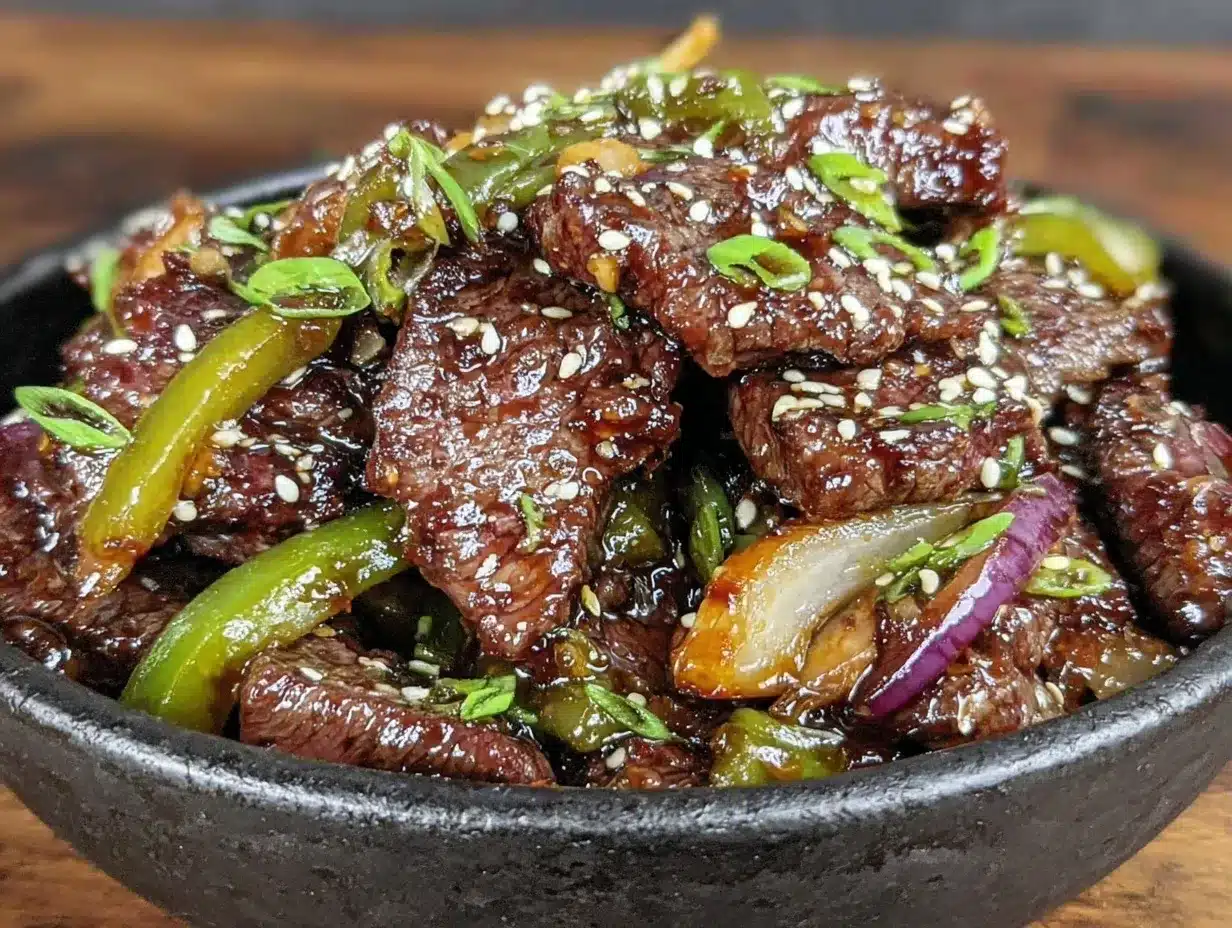
- Slice the Beef: Place the beef in the freezer for about 20 minutes until firm but not frozen solid. Using a sharp knife, slice across the grain into thin strips about 1/8-inch (3 mm) thick. This step helps tenderize the meat and ensures quick cooking.
- Make the Marinade: In a mixing bowl, combine 1/4 cup (60 ml) soy sauce, 2 tablespoons brown sugar, 1 tablespoon honey, 3 minced garlic cloves, 1 tablespoon freshly grated ginger, 1 teaspoon sesame oil, 1 tablespoon rice wine or mirin (if using), 1/4 teaspoon black pepper, and red pepper flakes if you like a little heat. Whisk until sugar dissolves.
- Marinate the Beef: Add the sliced beef and thinly sliced onion to the marinade. Toss well to ensure every piece is coated. Cover and refrigerate for at least 30 minutes, ideally up to 2 hours for deeper flavor penetration.
- Prepare to Cook: Heat a large skillet or grill pan over medium-high heat until very hot. You want it smoking slightly before adding beef to get a good sear.
- Cook the Bulgogi: Add the marinated beef and onions in a single layer (you might need to do this in batches to avoid overcrowding). Let the beef sear undisturbed for about 1-2 minutes, then stir or flip with tongs to cook for another 2-3 minutes until fully cooked and caramelized. The glaze should thicken and cling to the beef beautifully.
- Finish and Garnish: Remove from heat, sprinkle with thinly sliced green onions and an extra drizzle of sesame oil if you like. Serve immediately.
Watch out for overcooking – beef cooks quickly, and you want it tender, not tough. If the pan dries out, add a splash of water or more soy sauce to keep the glaze luscious. The sweet and savory balance comes alive when you get that slight char on the edges, so don’t rush the searing step!
Cooking Tips & Techniques
Here’s what I’ve learned through trial, error, and a few happy accidents making Korean beef bulgogi:
- Thin Slicing is Key: Don’t skip freezing the beef slightly before slicing; it makes a huge difference in texture and cooking time.
- Marinate Properly: Even 30 minutes works, but a couple of hours or overnight (if you plan ahead) intensifies the flavors and tenderizes the beef better.
- High Heat for Searing: Make sure your pan is hot before adding beef. This helps caramelize the sugars in the glaze and locks in juiciness.
- Avoid Overcrowding: Cook in batches if needed to prevent steaming. You want that gorgeous crust, not soggy beef.
- Use Fresh Ingredients: Fresh garlic and ginger make a big flavor difference compared to powders or pre-minced versions.
- Balance Sweet and Savory: Taste your marinade before adding beef; adjust sweetness or saltiness as you go. Sometimes a splash more honey or soy sauce is just right.
Honestly, the first few times, I rushed the searing step and ended up with chewy beef, but once I slowed down and let the pan do its work, the difference was night and day.
Variations & Adaptations
Don’t be shy about customizing this Korean beef bulgogi recipe to suit your tastes or dietary needs. Here are some ideas I’ve tried or recommend:
- Vegetarian Version: Use thinly sliced king oyster mushrooms or tempeh marinated in the same sauce. The mushrooms soak up the glaze beautifully and have a meaty texture.
- Spicy Kick: Add 1 tablespoon of gochujang (Korean chili paste) to the marinade for a fiery twist that still keeps that sweet-savory balance.
- Low-Carb Option: Swap brown sugar and honey with a keto-friendly sweetener like erythritol or monk fruit.
- Seasonal Veggie Boost: Toss in thinly sliced carrots, bell peppers, or baby spinach during cooking for extra color and nutrients.
One time, I swapped out ribeye for thinly sliced chicken thighs and kept the marinade the same—it was a hit and a nice change for a leaner protein alternative. Feel free to experiment with what you have on hand or what you’re in the mood for!
Serving & Storage Suggestions
This Korean beef bulgogi shines best served hot off the stove. I like to plate it with steamed jasmine rice or sticky short-grain rice to soak up every bit of that luscious glaze. Add some quick pickled cucumbers or kimchi on the side for a fresh, tangy contrast. A simple side of sautéed greens or steamed broccoli rounds out the meal nicely.
If you have leftovers (and sometimes I do, if I’m lucky!), store the beef in an airtight container in the refrigerator for up to 3 days. Reheat gently in a skillet over medium-low heat with a splash of water or soy sauce to keep it moist. Avoid microwaving if you can—it tends to dry out the meat.
Flavors actually deepen after a day as the beef soaks in the marinade, so leftovers can taste even better. For longer storage, freeze cooked bulgogi in portioned containers for up to 2 months—thaw overnight in the fridge before reheating.
Nutritional Information & Benefits
This Korean beef bulgogi recipe provides a good balance of protein and flavor without unnecessary additives. For a 4-ounce (113 g) serving of cooked beef bulgogi, you’re looking at approximately:
| Nutrient | Amount |
|---|---|
| Calories | 280-320 kcal |
| Protein | 25-28 g |
| Fat | 18-20 g |
| Carbohydrates | 8-10 g (mainly from natural sugars) |
Beef is an excellent source of iron, zinc, and B vitamins, supporting energy and immune function. The fresh ginger and garlic add antioxidants and anti-inflammatory benefits, while sesame oil provides healthy fats. Using leaner cuts or trimming excess fat can reduce calories further.
For gluten-free diets, tamari is a safe soy sauce alternative. This recipe contains soy and sesame, common allergens, so adjust accordingly if you or your guests have sensitivities.
Conclusion
In a nutshell, this Korean beef bulgogi with sweet and savory glaze is a game changer for anyone craving a quick, flavorful, and comforting meal. You can’t go wrong with its tender, juicy beef and that mouthwatering glaze that keeps you coming back for more. Seriously, it’s one of those recipes I keep returning to because it’s so adaptable and always hits the spot.
Feel free to tweak the spices, swap proteins, or add veggies to make it your own—cooking should be fun, after all! I’d love to hear how your version turns out or any twists you try. Please drop a comment below or share this recipe with friends who love a good Korean dish. Let’s keep this delicious tradition going strong!
Remember, great food brings people together, and this bulgogi recipe feels like a warm hug on a busy day. Happy cooking!
Frequently Asked Questions (FAQs)
1. Can I use a different cut of beef for bulgogi?
Yes! Ribeye and sirloin are best for tenderness, but you can also use flank steak or skirt steak. Just slice thinly against the grain for the best texture.
2. How long should I marinate the beef?
A minimum of 30 minutes is fine, but marinating for 2 hours or overnight in the fridge gives deeper flavor and tenderizes the meat beautifully.
3. Can I make bulgogi ahead of time?
Absolutely! Marinate the beef in advance and store it in the refrigerator for up to 24 hours. Cook just before serving for freshest results.
4. Is there a vegetarian alternative to this recipe?
Yes, try using king oyster mushrooms or tempeh sliced thinly and marinated in the same sauce. They soak up the flavors nicely and provide a great texture.
5. What should I serve with Korean beef bulgogi?
Steamed rice is classic, but you can also serve it with lettuce wraps, kimchi, pickled veggies, or sautéed greens for a complete meal.
Pin This Recipe!
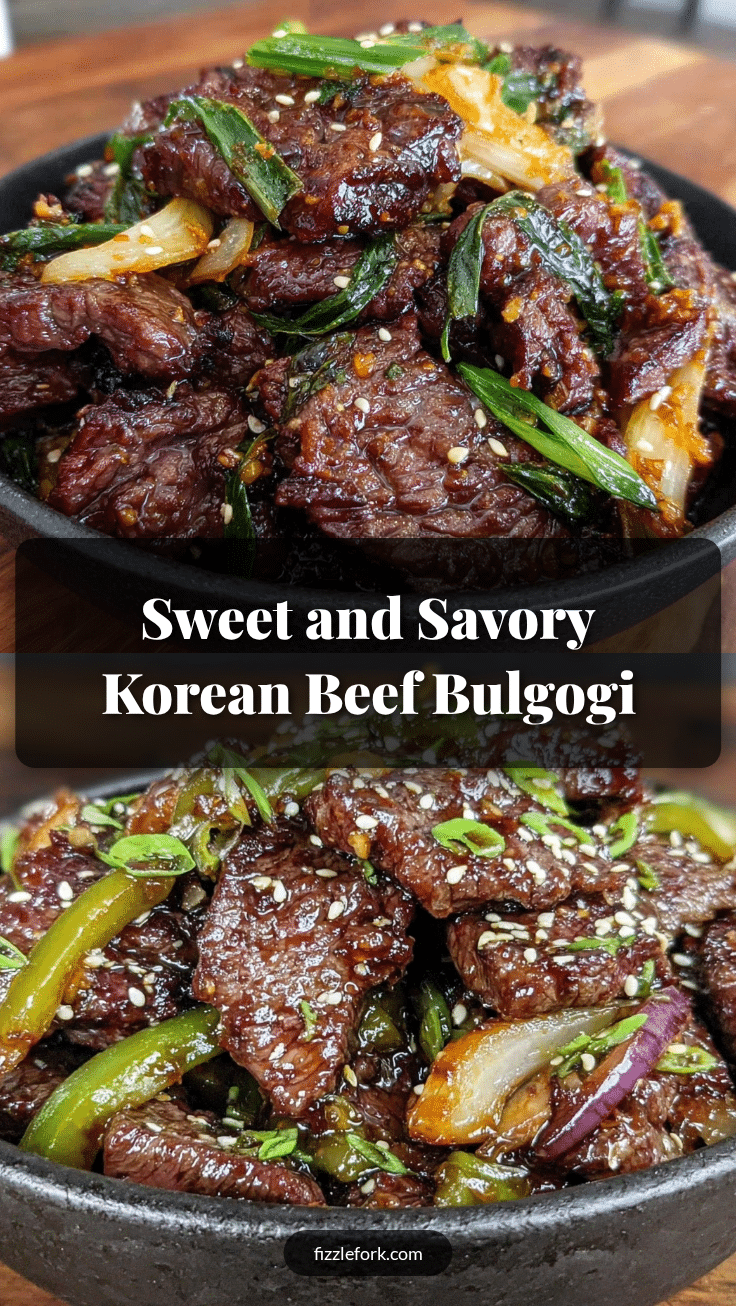
Korean Beef Bulgogi Recipe Easy Sweet and Savory Glaze Guide
A quick and easy Korean beef bulgogi recipe featuring thinly sliced ribeye or sirloin marinated in a sweet and savory glaze, perfect for busy weeknights or special occasions.
- Prep Time: 25 minutes
- Cook Time: 5 minutes
- Total Time: 30 minutes
- Yield: 4 servings 1x
- Category: Main Course
- Cuisine: Korean
Ingredients
- 1 pound (450 g) thinly sliced ribeye or sirloin
- 1/4 cup (60 ml) soy sauce, preferably low sodium
- 2 tablespoons brown sugar
- 1 tablespoon honey
- 3 cloves garlic, minced
- 1 tablespoon freshly grated ginger
- 1 teaspoon sesame oil
- 2 stalks green onion, thinly sliced
- 1/4 teaspoon freshly ground black pepper
- 1 small onion, thinly sliced
- 1 tablespoon rice wine or mirin (optional)
- 1/4 teaspoon red pepper flakes (optional)
Instructions
- Place the beef in the freezer for about 20 minutes until firm but not frozen solid. Using a sharp knife, slice across the grain into thin strips about 1/8-inch (3 mm) thick.
- In a mixing bowl, combine soy sauce, brown sugar, honey, minced garlic, grated ginger, sesame oil, rice wine or mirin (if using), black pepper, and red pepper flakes if desired. Whisk until sugar dissolves.
- Add the sliced beef and thinly sliced onion to the marinade. Toss well to coat every piece. Cover and refrigerate for at least 30 minutes, ideally up to 2 hours.
- Heat a large skillet or grill pan over medium-high heat until very hot.
- Add the marinated beef and onions in a single layer (cook in batches if needed). Let sear undisturbed for 1-2 minutes, then stir or flip and cook for another 2-3 minutes until fully cooked and caramelized.
- Remove from heat, sprinkle with green onions and an extra drizzle of sesame oil if desired. Serve immediately.
Notes
Freeze beef slightly before slicing for easier thin cuts. Marinate at least 30 minutes, up to overnight for best flavor. Cook in batches to avoid overcrowding and ensure caramelization. Use fresh garlic and ginger for best flavor. Adjust sweetness and saltiness to taste. For gluten-free, substitute soy sauce with tamari. Leftovers keep well refrigerated for 3 days or frozen for up to 2 months.
Nutrition
- Serving Size: 4 ounces (113 g) coo
- Calories: 280320
- Fat: 1820
- Carbohydrates: 810
- Protein: 2528
Keywords: Korean beef bulgogi, bulgogi recipe, Korean beef, sweet and savory glaze, easy bulgogi, weeknight dinner, Korean cuisine