“Wait, you made this cake yourself? It looks straight out of a bakery!” My cousin’s words still echo in my mind from that sunny May afternoon. Honestly, I was half convinced this graduation cake might be beyond my usual baking skills when I first set out. The whole idea started with a last-minute text from my sister: “Can you make something special for Jake’s graduation party? Think gold and navy, classy but fun.” I wasn’t even sure where to begin, especially with fondant work. But sometimes, those tight deadlines and a bit of creative panic spark the best results.
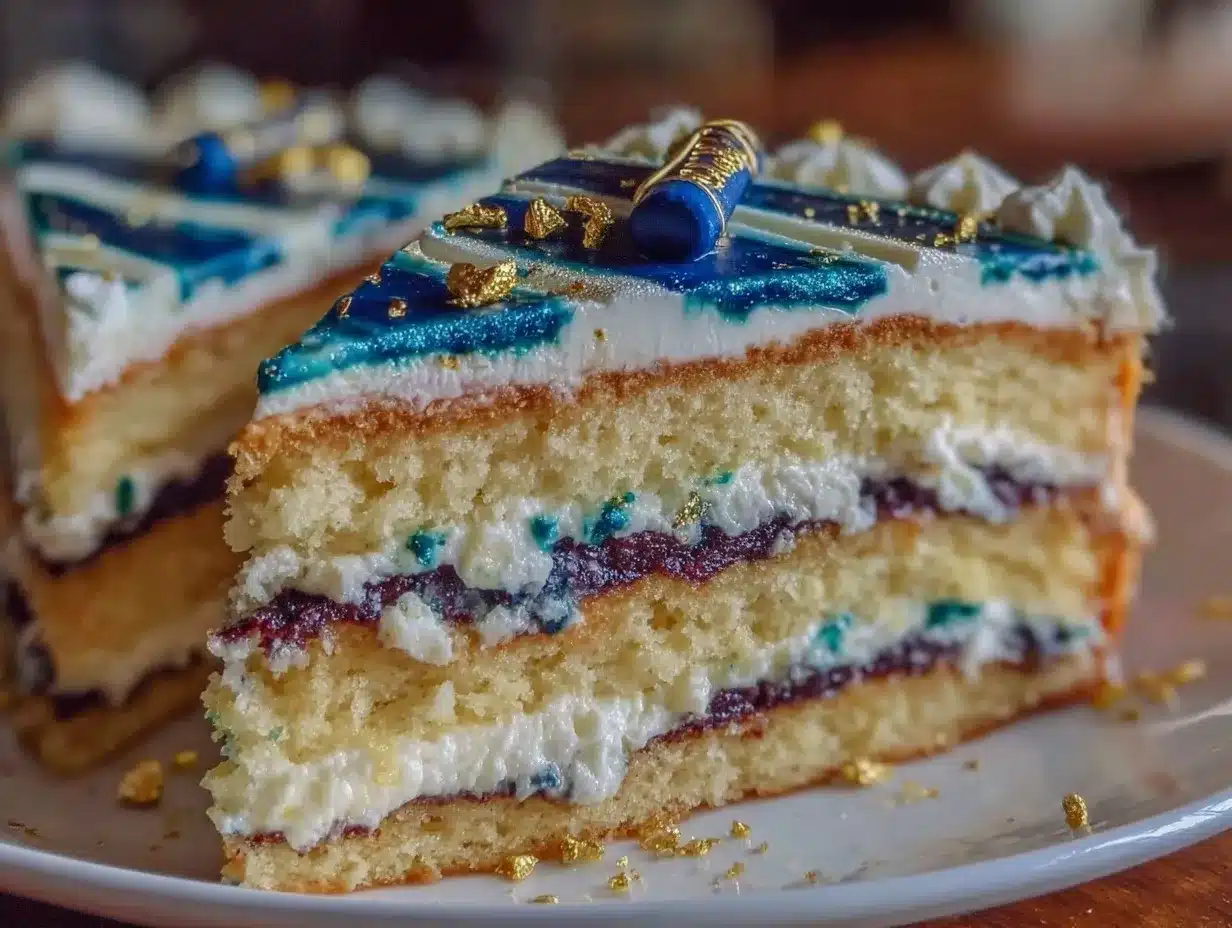
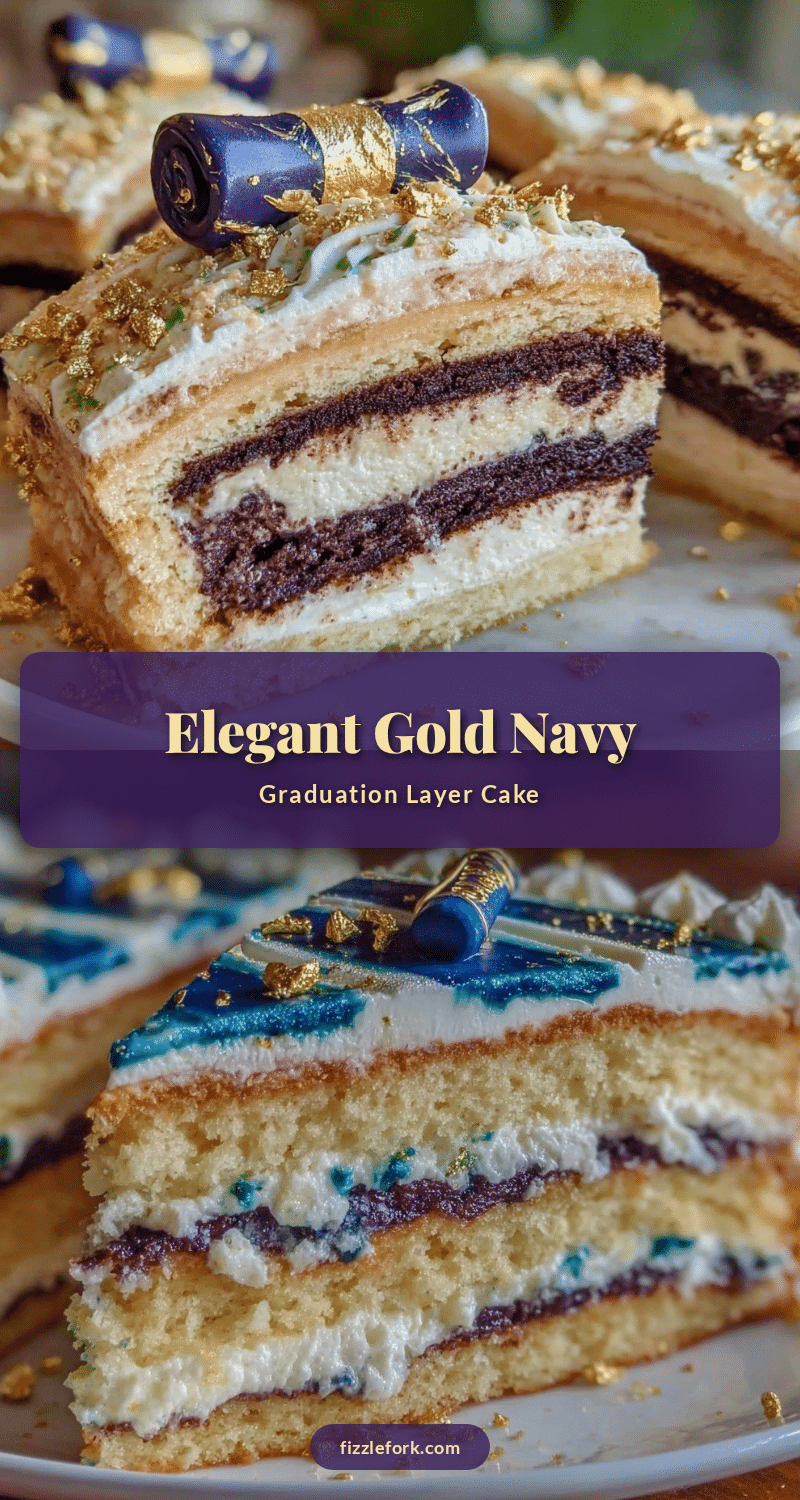
That evening, the smell of vanilla and buttery cake batter filled the kitchen, mixing with the crisp scent of rolled fondant. It reminded me of the quiet moments I’ve cherished in the kitchen, the kind you don’t always get when you’re rushing around. Each layer of the cake came together like a small victory, and the gold shimmer on the navy fondant made me feel like I’d crafted something truly special. The fondant diploma on top? Let’s just say it was a happy accident that ended up stealing the show.
What stuck with me, beyond the compliments and the full plates at the party, was the way this cake managed to capture a moment—celebrating achievement with a touch of elegance and a whole lot of personality. It’s more than just a dessert; it’s a little piece of joy and pride you can slice up and share. That’s why I keep coming back to this perfect gold and navy graduation layer cake recipe, fondant diploma and all. It’s a reminder that sometimes the things you worry about most end up being the most rewarding.
Why You’ll Love This Perfect Gold and Navy Graduation Layer Cake
After testing this graduation layer cake recipe multiple times (admittedly, a few slices for quality control), I can say it’s a crowd-pleaser that really hits the mark. Here’s why it’s become a go-to for milestone celebrations:
- Quick & Easy: Despite looking fancy, the entire cake comes together in about 3 hours, including decorating—perfect for last-minute party planning.
- Simple Ingredients: No obscure baking supplies needed. Pantry staples like all-purpose flour, eggs, and butter make the base, while fondant and edible gold dust add the wow factor.
- Perfect for Graduation Celebrations: The classic gold and navy color scheme matches nearly any school’s colors, making it ideal for both high school and college parties.
- Crowd-Pleaser: The moist vanilla layers paired with smooth buttercream frosting never fail to get rave reviews from both kids and adults.
- Unbelievably Delicious: The balance of fluffy cake, creamy frosting, and that subtle sweetness from the fondant diploma decoration makes each bite feel special.
What sets this cake apart is the fondant diploma topper—handcrafted but approachable for home bakers. The technique I share is straightforward, so you won’t feel intimidated. Plus, the gold shimmer is achieved with a light dusting that’s easy to master but looks stunning. Honestly, it’s the kind of dessert that makes guests pause, smile, and maybe even take a second slice before the speeches begin.
It’s not just a cake; it’s a little celebration on a plate, perfect for those moments when you want to impress without stress.
What Ingredients You Will Need for the Graduation Layer Cake
This cake recipe relies on simple, wholesome ingredients to deliver moist layers and a smooth finish without fuss. Most are pantry staples, with a few special touches to create that graduation vibe.
- For the Vanilla Cake Layers:
- 2 ½ cups (300g) all-purpose flour, sifted
- 2 ½ tsp baking powder
- ½ tsp salt
- 1 cup (227g) unsalted butter, softened (I prefer Land O Lakes for rich flavor)
- 2 cups (400g) granulated sugar
- 4 large eggs, room temperature
- 1 tbsp pure vanilla extract
- 1 cup (240ml) whole milk, room temperature
- For the Buttercream Frosting:
- 1 ½ cups (340g) unsalted butter, softened
- 5 cups (600g) powdered sugar, sifted
- 2 tsp vanilla extract
- 3-4 tbsp heavy cream or milk (adjust for desired consistency)
- Pinch of salt
- For the Fondant Diploma and Decorations:
- White rolled fondant (about 250g) – Wilton brand works great
- Edible gold luster dust (available at specialty baking stores)
- Edible navy food coloring gel
- Small paintbrush for dusting and painting details
- Thin black edible marker or food coloring pen for diploma writing (optional)
If you want a gluten-free option, almond flour can replace half the all-purpose flour, but the texture will be denser. For dairy-free adaptations, swap butter with a vegan margarine and use coconut milk instead of whole milk. The fondant diploma can be customized with edible ink to add the graduate’s name or year, making it a truly personal touch.
Equipment Needed
- Two 8-inch (20 cm) round cake pans – non-stick or greased and floured
- Electric stand mixer or hand mixer (a must for smooth buttercream)
- Mixing bowls of various sizes
- Offset spatula and bench scraper for frosting smoothing
- Rolling pin for fondant
- Small sharp knife or fondant cutter for shaping the diploma
- Paintbrush (food-safe) for edible dust application
- Cake turntable (optional but helpful for decorating)
If you don’t have a cake turntable, a lazy Susan or just rotating the cake carefully on a plate works fine. For fondant work, I started with a simple rolling pin and a clean countertop, but a silicone mat helped keep things smooth. When it comes to frosting, a bench scraper really saved me from uneven edges. If you’re on a budget, kitchen shears and parchment paper can substitute for some specialized tools.
Preparation Method
- Preheat your oven to 350°F (175°C). Grease and flour the two 8-inch pans. This usually takes about 10 minutes including preparation.
- Mix dry ingredients: In a medium bowl, whisk together 2 ½ cups flour, baking powder, and salt. Set aside.
- Cream butter and sugar: In a large mixing bowl, beat 1 cup softened butter with 2 cups sugar until light and fluffy (about 3-5 minutes). This step is key for a tender crumb.
- Add eggs: Add eggs one at a time, beating well after each. Stir in vanilla extract.
- Alternate dry ingredients and milk: Add the flour mixture in three parts, alternating with milk in two parts. Begin and end with flour. Mix gently to avoid overworking the batter. The batter should be thick but pourable.
- Divide and bake: Pour batter evenly into prepared pans. Bake for 30-35 minutes, or until a toothpick inserted comes out clean. Avoid opening the oven door early to prevent sinking.
- Cool layers: Let cakes cool in pans for 15 minutes, then transfer to wire racks completely to cool. This prevents soggy bottoms.
- Prepare buttercream: Beat 1 ½ cups softened butter until creamy. Gradually add powdered sugar, alternating with cream, vanilla, and salt. Beat until smooth and spreadable. Adjust consistency with more cream or sugar if needed.
- Assemble cake: Place one cake layer on your serving plate. Spread a thick, even layer of buttercream (about ½ cup). Top with the second layer and frost the top and sides evenly.
- Color fondant: Knead navy food coloring into white fondant until you reach a deep, even shade. Roll out to about 1/8 inch thick on a clean surface dusted with powdered sugar or cornstarch.
- Create diploma: Cut a rectangle about 4 inches by 2 inches. Gently roll a thin strip of fondant to form the diploma’s ribbon and attach with water. Use edible gold dust brushed lightly to add shimmer, and optionally write the graduate’s name with an edible pen.
- Decorate cake: Carefully place the fondant diploma on top of the cake. Dust the cake edges or other fondant decorations with gold luster dust for that special touch.
Tip: If the fondant gets sticky, pop it in the fridge for a few minutes. Also, when smoothing buttercream, chill the cake briefly to firm up the frosting layers—it makes handling so much easier. I often find the best results come from patience and small adjustments along the way.
Cooking Tips & Techniques for Success
Even with a straightforward recipe, the little details matter when baking a show-stopping graduation cake. Here are some tips I’ve picked up:
- Don’t skimp on creaming butter and sugar: It traps air, giving the cake a lighter texture.
- Room temperature ingredients: Eggs and milk mix more evenly when not cold, preventing curdling or lumps.
- Use a toothpick test: Insert it near the cake center to check doneness—wet crumbs mean it needs more time.
- Chill the cake: Before applying fondant, refrigerate the frosted cake for 30 minutes so the buttercream firms up and prevents dents.
- Fondant handling: Dust your surface lightly, avoid over-kneading, and if fondant tears, a dab of water or edible glue fixes it.
- Layer evenness: Level cake layers with a serrated knife for a professional look and stability.
- Practice makes perfect: The fondant diploma might seem tricky at first, but shaping it by hand gets easier with each try.
I once tried rushing the fondant step and ended up with cracks and uneven edges—it was a learning moment. Now, I take my time and enjoy the process, which makes the final reveal even sweeter. Multitasking by prepping the frosting while the cakes bake helps me stay efficient.
Variations & Adaptations
This perfect gold and navy graduation cake recipe is flexible and ready to fit your celebration style:
- Flavor swaps: Try chocolate cake layers instead of vanilla for a richer option, or add lemon zest for a fresh twist.
- Color changes: Swap the navy fondant for your school’s secondary color, or add a marbled effect by blending two fondant colors.
- Dietary adaptations: Use gluten-free flour blends to make it friendly for gluten intolerance, or substitute vegan butter and milk for dairy-free versions.
- Alternative decorations: Instead of a fondant diploma, create a fondant graduation cap or a mini edible scroll for variety.
- Personal touch: I once added edible silver stars around the cake edges for a night-sky theme that matched the graduate’s college mascot perfectly.
For different cooking methods, this cake can be made in a sheet pan for easier slicing or even in cupcake form with mini fondant diplomas. The key is to keep the color palette consistent for that polished look.
Serving & Storage Suggestions
Serve this cake at room temperature for the best flavor and texture. The buttercream softens nicely, and the cake feels moist and tender. Present it on a simple white or navy cake stand to let the gold accents pop.
This cake pairs beautifully with a light sparkling beverage or a cup of rich coffee. For a brunch celebration, consider serving alongside easy breakfast favorites—like the fluffy sheet pan pancakes that complement any occasion.
To store, keep the cake covered in the fridge for up to 3 days. Remove from the fridge about 30 minutes before serving to allow the buttercream to soften. For longer storage, freeze the cake tightly wrapped for up to 2 months. Thaw in the fridge overnight and bring to room temp before serving.
Flavors tend to deepen after a day, so it’s perfectly fine to assemble a day early if you want to save time on the big day.
Nutritional Information & Benefits
Per serving (based on 12 slices): approximately 350 calories, 18g fat, 45g carbohydrates, 3g protein. This cake is a treat, offering a nostalgic comfort food experience rather than a health food.
Key ingredients like eggs and butter provide protein and fats that help with satiety. Using real vanilla extract adds natural aroma without artificial additives. For those mindful of sugar intake, you can reduce powdered sugar slightly in the buttercream or try cream cheese frosting for tang and lower sweetness.
Keep in mind this recipe is not gluten-free by default but can be adapted. The fondant contains sugar and food coloring, so it’s best enjoyed in moderation. As a celebratory dessert, it balances joy and indulgence well.
Conclusion
This perfect gold and navy graduation layer cake with fondant diploma is more than just a dessert. It’s a little celebration wrapped up in layers of moist cake and creamy frosting, finished with a handcrafted touch that shows you care. The recipe’s simplicity combined with elegant details means you can customize it to your style, whether you’re a seasoned baker or trying fondant for the first time.
I love how this cake turns a milestone into a moment to savor—both in flavor and memory. If you give it a try, I’d love to hear how your graduates react or how you personalize your fondant diploma. Baking together creates the best kind of celebration, after all.
And if you’re looking for other quick, comforting dishes to round out your party menu, the creamy keto crack chicken or easy cheesy poor man’s tater tot casserole recipes are fantastic options that won’t keep you in the kitchen all day.
Happy baking and congratulations to all the graduates out there!
FAQs About the Perfect Gold and Navy Graduation Layer Cake
Can I make this cake ahead of time?
Yes! You can bake the cake layers and prepare the buttercream a day ahead. Assemble and decorate the cake on the celebration day for the freshest look and flavor.
How do I prevent the fondant from cracking?
Always knead the fondant until smooth and let it rest for a few minutes before rolling. Avoid rolling it too thin, and store unused fondant wrapped tightly to keep it from drying out.
What if I don’t have edible gold dust?
You can skip the gold shimmer or use gold-colored sanding sugar for a sparkly effect. Another option is to paint on gold using a tiny bit of edible gold paint mixed with clear alcohol.
Can this recipe be made dairy-free?
Absolutely! Substitute butter with a vegan margarine and use coconut or almond milk instead of dairy milk. Use dairy-free fondant if available.
How do I store leftover cake?
Keep leftovers refrigerated in an airtight container for up to 3 days. Bring to room temperature before serving to enjoy the best texture and flavor.
Pin This Recipe!
Perfect Gold and Navy Graduation Layer Cake
A moist vanilla layer cake with smooth buttercream frosting, decorated with navy fondant and a shimmering gold fondant diploma topper, perfect for graduation celebrations.
- Prep Time: 30 minutes
- Cook Time: 35 minutes
- Total Time: 3 hours
- Yield: 12 servings 1x
- Category: Dessert
- Cuisine: American
Ingredients
- 2 ½ cups (300g) all-purpose flour, sifted
- 2 ½ tsp baking powder
- ½ tsp salt
- 1 cup (227g) unsalted butter, softened
- 2 cups (400g) granulated sugar
- 4 large eggs, room temperature
- 1 tbsp pure vanilla extract
- 1 cup (240ml) whole milk, room temperature
- 1 ½ cups (340g) unsalted butter, softened (for buttercream)
- 5 cups (600g) powdered sugar, sifted
- 2 tsp vanilla extract (for buttercream)
- 3–4 tbsp heavy cream or milk (for buttercream)
- Pinch of salt (for buttercream)
- White rolled fondant (about 250g)
- Edible gold luster dust
- Edible navy food coloring gel
- Small paintbrush for dusting and painting details
- Thin black edible marker or food coloring pen (optional)
Instructions
- Preheat your oven to 350°F (175°C). Grease and flour two 8-inch round cake pans.
- In a medium bowl, whisk together flour, baking powder, and salt. Set aside.
- In a large mixing bowl, beat 1 cup softened butter with 2 cups sugar until light and fluffy (3-5 minutes).
- Add eggs one at a time, beating well after each. Stir in vanilla extract.
- Add the flour mixture in three parts, alternating with milk in two parts, beginning and ending with flour. Mix gently until combined.
- Pour batter evenly into prepared pans. Bake for 30-35 minutes or until a toothpick inserted comes out clean.
- Let cakes cool in pans for 15 minutes, then transfer to wire racks to cool completely.
- For buttercream, beat 1 ½ cups softened butter until creamy. Gradually add powdered sugar, alternating with cream, vanilla, and salt. Beat until smooth and spreadable.
- Place one cake layer on serving plate. Spread about ½ cup buttercream evenly on top. Add second layer and frost top and sides evenly.
- Knead navy food coloring into white fondant until deep, even shade. Roll out to about 1/8 inch thick on a surface dusted with powdered sugar or cornstarch.
- Cut a rectangle about 4 inches by 2 inches for the diploma. Roll a thin strip of fondant for the ribbon and attach with water.
- Brush fondant diploma lightly with edible gold dust. Optionally write graduate’s name with edible pen.
- Place fondant diploma on top of cake. Dust cake edges or other fondant decorations with gold luster dust.
Notes
If fondant gets sticky, chill it in the fridge for a few minutes. Chill the frosted cake before applying fondant to firm up buttercream. Use a toothpick test to check cake doneness. Room temperature ingredients mix better. Level cake layers for a professional look. Fondant diploma can be personalized with edible ink.
Nutrition
- Serving Size: 1 slice (1/12 of cak
- Calories: 350
- Fat: 18
- Carbohydrates: 45
- Protein: 3
Keywords: graduation cake, layer cake, vanilla cake, buttercream frosting, fondant cake, gold cake, navy cake, celebration cake, easy cake recipe