There used to be a little steakhouse in the North End of Boston called Gennaro’s that made a beef tenderloin that I still dream about. When they closed their doors back in 2018, I actually stood outside the locked entrance for a good five minutes feeling genuinely lost. That first bite of their tenderloin—perfectly charred on the outside, butter-soft in the middle, with this creamy horseradish sauce that had just the right kick—it was the kind of meal you plan your week around.
After twelve tries—twelve, I’m not kidding—and one particularly sad attempt where I somehow managed to overcook a piece of meat that cost more than my electric bill, I finally cracked the code. The secret wasn’t in some fancy technique or imported ingredient. It was in understanding the meat itself and giving the horseradish sauce time to let those flavors get to know each other.
You know that feeling when you take a bite of something and everything just stops for a second? That’s what this recipe does. The beef comes out with this gorgeous crust on the outside while staying incredibly tender inside, and the horseradish sauce adds this creamy, tangy kick that cuts through the richness perfectly. I’ve made this for birthday dinners, anniversary celebrations, and even a random Tuesday when I just needed a win. It works every single time now.
Honestly, I still think about sitting at that worn wooden table at Gennaro’s, watching the steam rise off that perfect piece of beef. But now I don’t have to miss it anymore—I can make it right in my own kitchen, and so can you.
Why You’ll Love This Recipe
This isn’t just another beef tenderloin recipe. After all those failed attempts and late-night research sessions, I’ve put together something that actually delivers restaurant-quality results without the stress. Here’s why this one’s different:
- Foolproof Method : I’ve tested this more times than I care to admit, and the technique works whether you’re cooking for two or twelve people. No guessing, no crossed fingers.
- Simple Ingredients : You don’t need a specialty grocery store or a second mortgage. Most of these ingredients are probably in your kitchen right now.
- Perfect for Special Occasions : Christmas dinner, anniversary celebrations, or when you just want to impress someone—this dish delivers every time.
- Make-Ahead Friendly : The horseradish sauce actually gets better after sitting overnight, and the beef can be prepped hours ahead.
- Restaurant Quality at Home : That crust, that tenderness, that sauce—it all comes together without a culinary degree or fancy equipment.
The first time I served this to my book club, one of the ladies actually asked if I had catered it. I mean, I almost laughed because I had definitely burned my arm on the oven rack and spilled flour all over my favorite apron, but the food itself? It was perfect. That’s the thing about this recipe—it forgives your kitchen chaos and still turns out beautiful.
This is the kind of meal that makes people close their eyes after that first bite. It’s comfort food at its finest, but with enough elegance to feel truly special. Whether you’re celebrating something big or just need a reminder that you can make amazing things in your own kitchen, this beef tenderloin with creamy horseradish sauce is exactly what you need.
What Ingredients You Will Need
This recipe uses straightforward ingredients that work together to create something genuinely special. The beauty is in how these simple components come together, not in chasing down obscure items.
For the Beef Tenderloin
- Beef tenderloin roast (3-4 pounds) – Look for a center-cut piece for the most even thickness. I prefer buying from a local butcher when possible, but grocery store cuts work fine too.
- Olive oil (2 tablespoons) – Use a good quality extra virgin for the best flavor, but regular works in a pinch.
- Kosher salt (1 tablespoon) – This isn’t the time for fine table salt. Kosher salt gives you better control and a more even seasoning.
- Freshly ground black pepper (1 teaspoon) – Pre-ground pepper just doesn’t give the same punch. Trust me on this one.
- Garlic powder (1 teaspoon) – Not garlic salt. We’re controlling the salt separately here.
- Dried thyme (1 teaspoon) – You can use fresh if you have it, but dried works beautifully and is more accessible.
- Unsalted butter (2 tablespoons) – This goes on at the end for that extra richness and shine.
For the Creamy Horseradish Sauce
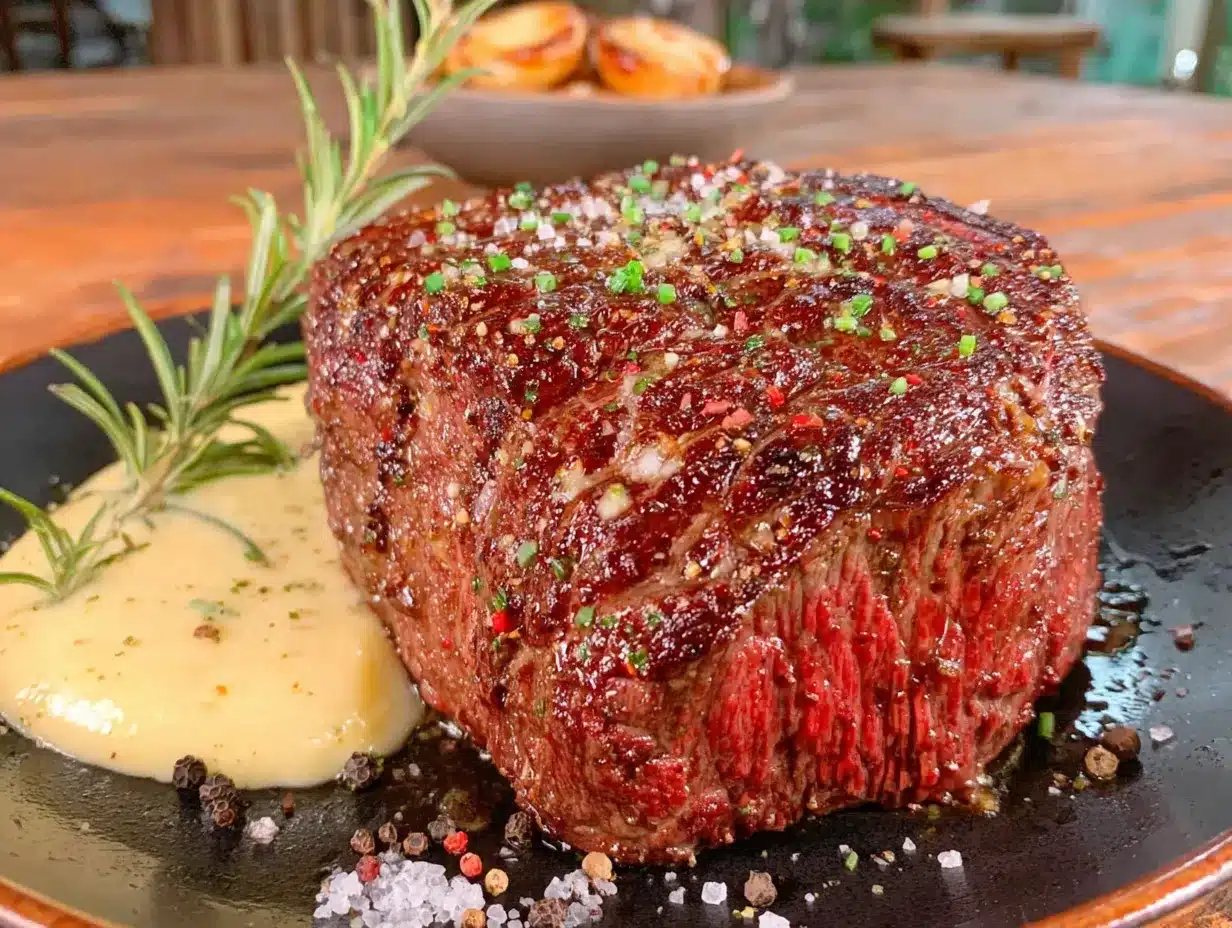
- Prepared horseradish (1/4 cup, drained) – Not horseradish sauce, not cream-style. Look for the refrigerated prepared kind. I like Boar’s Head or the store brand from a good market.
- Sour cream (1/2 cup) – Full fat gives the best texture, but light sour cream works if that’s what you have.
- Mayonnaise (1/4 cup) – Duke’s is my go-to, but any quality mayo works. This adds creaminess without making it too tangy.
- Fresh lemon juice (1 tablespoon) – Bottled lemon juice has a weird flavor here. A real lemon makes a real difference.
- Apple cider vinegar (1 teaspoon) – This brightens everything up without being sharp.
- Salt (1/4 teaspoon) – Start here and adjust to taste.
- Fresh chives (2 tablespoons, finely chopped) – Optional but beautiful. Green onions work as a substitute.
One thing I learned the hard way—don’t skip draining the horseradish. The first time I made this sauce, I just dumped the horseradish straight in, and the sauce was way too runny. Just press it against a fine mesh strainer or squeeze it in a paper towel. It takes ten seconds and makes a huge difference.
Equipment Needed
You don’t need a professional kitchen for this recipe, but having the right tools makes everything smoother. Here’s what you’ll need:
- Large oven-safe skillet or roasting pan – Cast iron is ideal, but any heavy-bottomed oven-safe pan works. I use my 12-inch cast iron skillet that I’ve had for about eight years now.
- Meat thermometer – This is non-negotiable. An instant-read thermometer is fine, but a leave-in probe thermometer makes life much easier. I splurged on a Thermapen a few years back and it’s worth every penny.
- Cutting board – Have a large one ready for resting and carving the meat.
- Chef’s knife – A sharp knife makes all the difference when slicing the tenderloin.
- Mixing bowls – One small bowl for the seasoning mix, one medium bowl for the sauce.
- Whisk – For combining the sauce ingredients smoothly.
- Kitchen twine – For tying the tenderloin if it’s uneven. Most butchers will do this for you if you ask.
- Aluminum foil – For tenting the meat while it rests.
If you don’t have a cast iron skillet, don’t worry. A stainless steel pan works great—just make sure it’s oven-safe up to 425°F. And if you’re using a probe thermometer for the first time, just clip it to the side of the pan before it goes in the oven. I definitely forgot to do that once and ended up with a thermometer dangling in a very sad way.
Preparation Method
Let me walk you through this step by step. I’ve made every mistake possible with this recipe, so I’ll tell you exactly what to watch out for.
- Take the beef out of the refrigerator 45-60 minutes before cooking. This is crucial. A cold piece of meat cooks unevenly—the outside will be overdone while the center stays raw. Set it on a plate on the counter and let it come to room temperature. I usually set a timer because I’ve definitely forgotten and had to rush the process.
- Preheat your oven to 425°F. Make sure the rack is in the middle position. Give it a full 20 minutes to come to temperature. An oven that’s not hot enough won’t give you that beautiful crust.
- Pat the beef completely dry with paper towels. This is another non-negotiable step. Moisture is the enemy of a good sear. I use three or four paper towels and really press them into the meat. You’ll be shocked at how much moisture comes off.
- Tie the tenderloin with kitchen twine at 2-inch intervals. This helps it cook evenly and keeps its shape. If your butcher already did this, you’re ahead of the game. If not, just tie it snugly—not tight enough to squeeze the meat, but enough to hold it together.
- Mix the seasoning together. In a small bowl, combine the kosher salt, black pepper, garlic powder, and dried thyme. Stir it with your fingers to break up any clumps.
- Season the beef generously on all sides. Sprinkle the seasoning mixture over the entire surface and press it in gently. Don’t be shy—you want that flavor to penetrate. I use my hands for this because it gives you better control than a spoon.
- Heat your skillet over medium-high heat for 3-4 minutes. Add the olive oil and swirl to coat the bottom. The oil should shimmer but not smoke—that’s your sweet spot.
- Sear the beef on all sides. Place the tenderloin in the hot skillet and let it cook without moving for 3-4 minutes. You want a deep golden-brown crust. Use tongs to rotate it, searing each side including the ends. This should take about 10-12 minutes total. The kitchen will smell incredible at this point.
- Transfer the skillet to the preheated oven. If your skillet handle is plastic or rubber, wrap it in foil first. Roast for 20-25 minutes, depending on your desired doneness. For medium-rare, I pull it out when the internal temperature hits 130°F. For medium, wait until 140°F.
- Remove the beef from the oven and place it on a cutting board. Immediately top it with the 2 tablespoons of butter, letting it melt over the surface. Tent loosely with foil and let it rest for 15-20 minutes. This is not optional—the resting period lets the juices redistribute so you don’t end up with a puddle on your plate.
- While the beef rests, make the horseradish sauce. In a medium bowl, combine the drained prepared horseradish, sour cream, mayonnaise, lemon juice, apple cider vinegar, and salt. Whisk until smooth and creamy. Fold in the fresh chives if you’re using them. Taste and adjust the salt or horseradish to your preference.
- Slice and serve. Remove the twine from the rested beef. Using a sharp knife, slice against the grain into 1/2-inch to 3/4-inch thick pieces. Arrange on a platter and serve with the creamy horseradish sauce on the side.
One thing I want to mention—the first time I made this, I panicked when I saw the internal temperature climbing after I took it out of the oven. That’s carryover cooking, and it’s totally normal. The meat will continue to cook as it rests, so pulling it out 5 degrees before your target temperature is exactly right.
Cooking Tips & Techniques
After making this recipe more times than I can count, I’ve picked up some tricks that make a real difference. Let me share the ones that saved my sanity.
Don’t skip the drying step. I cannot stress this enough. The first few times I made beef tenderloin, I wondered why I wasn’t getting that beautiful crust. Turns out, patting the meat dry is the single most important step before searing. Moisture creates steam, and steam prevents browning. Use those paper towels generously.
Let the pan get properly hot. I used to rush this step because I was hungry and impatient. Bad idea. If the pan isn’t hot enough, the meat will stick and you’ll lose that gorgeous crust. Give it a full 3-4 minutes over medium-high heat. When you flick a drop of water onto the pan and it sizzles immediately, you’re ready.
Use a thermometer, not a timer. I know this sounds obvious, but I’ve had so many friends tell me they just guessed based on time. Every oven runs differently, every piece of meat is a different thickness. A good instant-read thermometer takes all the guesswork out. I actually ruined a $60 piece of meat by trusting the timer instead of the thermometer. Learn from my mistakes, please.
Rest the meat longer than you think you need to. Fifteen minutes minimum, twenty is better. I know it’s tempting to slice right into that beautiful piece of beef, but patience pays off here. The juices need time to settle back into the meat fibers. If you cut too soon, all that flavor ends up on your cutting board instead of in your mouth.
Make the sauce ahead of time. The horseradish sauce actually improves after sitting in the fridge for a few hours or overnight. The flavors meld together and the sharpness of the horseradish mellows out just enough. I usually make it the morning of the day I’m serving the beef.
One mistake I still make sometimes is not checking the horseradish for freshness. Prepared horseradish loses its kick over time, so check the expiration date and give it a sniff before using. If it doesn’t make your eyes water a little bit, it’s probably past its prime.
Variations & Adaptations
This recipe is pretty flexible, and I’ve tried several variations over the years. Here are some that have worked well:
Herb-Crusted Version : Add 2 tablespoons of finely chopped fresh rosemary and 2 tablespoons of fresh thyme to the seasoning mix. Press the herbs onto the beef after applying the dry rub. This gives the crust an incredible aromatic quality that pairs beautifully with the horseradish sauce.
Spicy Horseradish Sauce : If you like more heat, add an extra tablespoon of drained horseradish and a pinch of cayenne pepper to the sauce. I did this for a dinner party once, and the spice lovers at the table couldn’t get enough. Just be careful—it can get punchy fast.
Dairy-Free Adaptation : Substitute the sour cream with a high-quality dairy-free sour cream alternative and use a vegan mayonnaise. The flavor will be slightly different, but it still works beautifully. I tested this for a friend with dairy sensitivity, and she gave it two thumbs up.
Peppercorn Crust : Coarsely crush 2 tablespoons of mixed peppercorns (black, green, and pink) and press them onto the beef after the initial seasoning. This creates a beautiful crust with a complex peppery flavor. Just be warned—it’s noticeably spicier, so maybe not for the faint of heart.
Red Wine Pan Sauce : After removing the beef from the skillet, add 1/2 cup of red wine and 1/4 cup of beef broth to the hot pan. Scrape up the browned bits, let it reduce by half, and whisk in a tablespoon of cold butter. Drizzle this over the sliced beef alongside the horseradish sauce. It’s a little extra work, but absolutely worth it for special occasions.
I once tried a coffee-rubbed version that sounded amazing on paper but ended up tasting like breakfast meat. Some experiments work, some don’t. Stick with the herb or peppercorn variations if you want to branch out safely.
Serving & Storage Suggestions
This beef tenderloin is at its absolute best served warm, right after resting. Slice it just before serving and arrange the pieces on a warmed platter. The horseradish sauce should be served on the side in a small bowl, so everyone can add as much or as little as they like.
For sides, I love keeping things simple. Roasted asparagus with a squeeze of lemon works beautifully. Mashed potatoes are a classic choice—the creamy texture pairs perfectly with the beef and sauce. A simple arugula salad with shaved Parmesan and a light vinaigrette adds a fresh, peppery contrast.
If you’re serving this for a special dinner, a full-bodied red wine like a Cabernet Sauvignon or a Merlot is a wonderful companion. For non-alcoholic options, sparkling water with a twist of lemon keeps things elegant without competing with the flavors.
Storage: Leftover beef tenderloin can be stored in an airtight container in the refrigerator for up to 4 days. The horseradish sauce will keep for up to a week. I actually love the leftovers cold, sliced thin on a sandwich with arugula and a smear of the sauce.
Reheating: The best way to reheat beef tenderloin without drying it out is in a low oven. Place the slices in a baking dish with a tablespoon of beef broth, cover with foil, and warm at 300°F for about 10 minutes. You can also reheat individual portions in a skillet over medium-low heat with a splash of broth. Avoid the microwave unless you’re in a real hurry—it tends to make the meat tough.
Freezing: Cooked beef tenderloin freezes surprisingly well. Wrap it tightly in plastic wrap, then foil, and freeze for up to 3 months. Thaw overnight in the refrigerator before reheating. The sauce doesn’t freeze well due to the dairy content, so make that fresh.
One thing I’ve noticed—the flavors of the beef actually deepen after a day in the fridge. Cold beef tenderloin sliced thin makes an incredible sandwich filling. I’ve been known to make extra just for this purpose.
Nutritional Information & Benefits
Here’s the approximate nutritional breakdown for a 6-ounce serving of beef tenderloin with 2 tablespoons of horseradish sauce:
| Nutrient | Amount |
|---|---|
| Calories | 450-500 |
| Protein | 45g |
| Fat | 30g |
| Saturated Fat | 12g |
| Carbohydrates | 3g |
| Fiber | 0g |
| Sugar | 1g |
| Sodium | 600mg |
Beef tenderloin is one of the leaner cuts of beef, making it a good source of high-quality protein without excessive fat. It’s rich in iron, zinc, and B vitamins, particularly B12, which supports energy production and nervous system health.
The horseradish sauce adds a modest amount of calcium from the sour cream and contains compounds in horseradish that may have antimicrobial properties. Plus, it adds flavor without a ton of calories.
This recipe is naturally gluten-free and low-carb, making it suitable for many dietary preferences. If you’re watching your sodium, you can reduce the salt in the seasoning rub and use a low-sodium version of the sauce ingredients.
As with any indulgent meal, moderation is key. This is a special occasion dish for a reason—it’s rich, satisfying, and meant to be enjoyed fully when you make it.
Conclusion
This beef tenderloin with creamy horseradish sauce has become my go-to recipe for any occasion that calls for something truly special. It’s the dish I make when I want to remind myself that I can create restaurant-quality food in my own kitchen, even on a random Tuesday with flour on my apron and a slightly burned arm.
The best part? You don’t need to be a professional chef or have fancy equipment to pull this off. Just good ingredients, a little patience, and the willingness to trust the process. That first bite—when the crust gives way to the tender meat and the horseradish sauce cuts through with its perfect tang—makes every step worth it.
I’d love to hear how yours turns out. Did you try one of the variations? Did you discover your own twist? Drop a comment below and let me know. And if you’re looking for another showstopper to add to your repertoire, you might want to check out my garlic herb crusted prime rib for another special occasion winner.
Happy cooking, friends. Go make something beautiful.
Frequently Asked Questions
Can I use a different cut of beef for this recipe?
Beef tenderloin is ideal because of its tenderness, but you can use a top sirloin roast or a ribeye roast if that’s what you have. Just adjust the cooking time based on the thickness and check the internal temperature frequently. The results won’t be quite as tender, but the flavor will still be excellent.
How do I know when the beef is done without a thermometer?
While a thermometer is strongly recommended, you can use the touch test. Press the center of the meat with your finger—if it feels like the fleshy part of your palm below your thumb when your hand is relaxed, it’s medium-rare. If it feels firmer, like when you touch your thumb to your middle finger, it’s closer to medium. But honestly, a thermometer takes all the guesswork out.
Can I prepare the horseradish sauce in advance?
Absolutely! In fact, I recommend it. The sauce actually improves after sitting in the refrigerator for a few hours or overnight. Just store it in an airtight container and give it a good stir before serving. The flavors meld together beautifully over time.
What’s the best way to reheat leftover beef tenderloin?
The gentlest method is in a low oven at 300°F, covered with foil and a splash of beef broth, for about 10 minutes. You can also reheat slices in a skillet over medium-low heat with a little broth. Avoid the microwave unless absolutely necessary—it tends to make the meat tough and dry.
Is this recipe suitable for a gluten-free diet?
Yes, this recipe is naturally gluten-free. Just double-check your prepared horseradish and any other packaged ingredients to ensure they haven’t been processed with gluten-containing additives. Most brands are safe, but it’s always worth a quick label check.
Pin This Recipe!
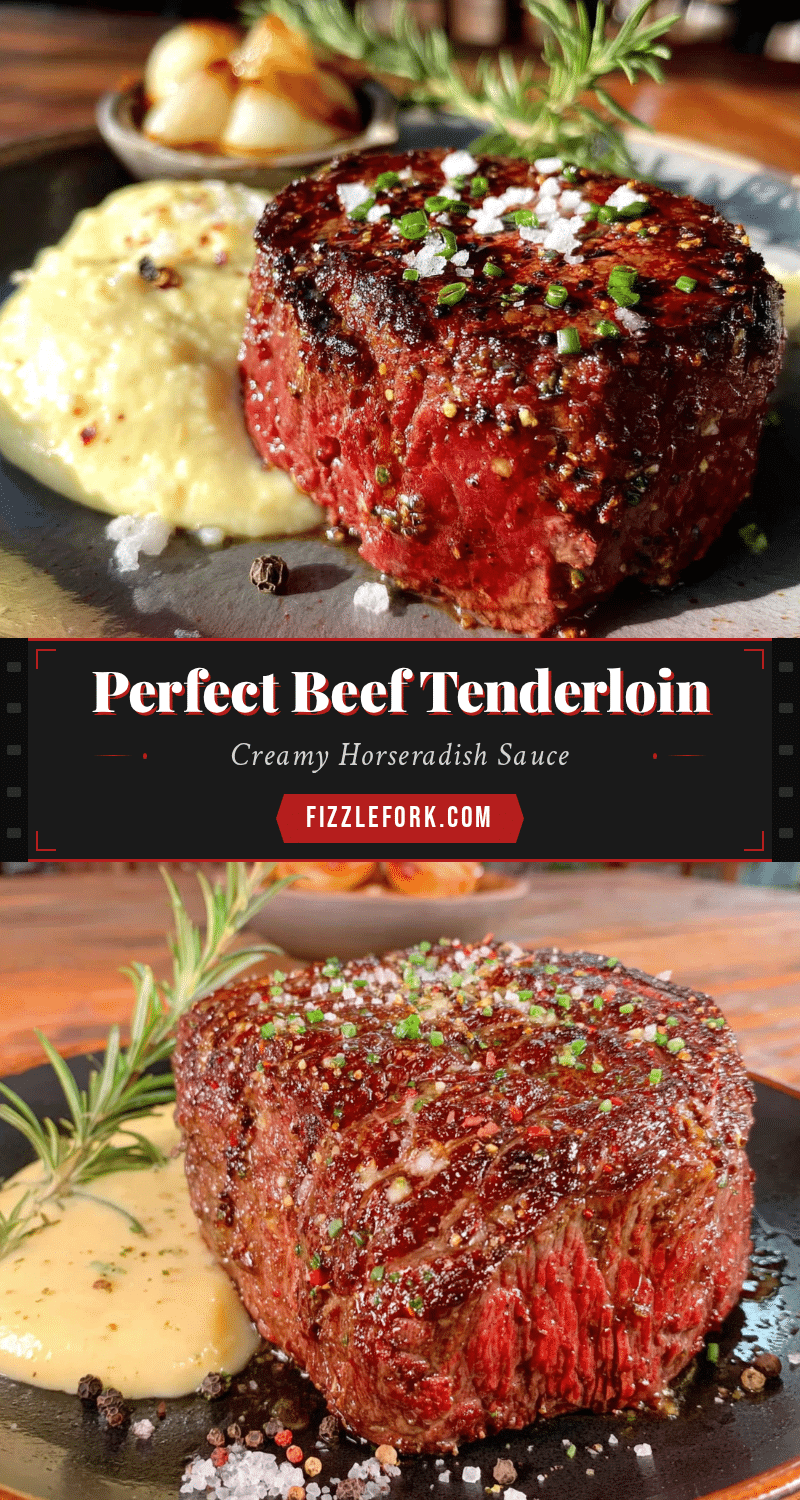
Perfect Beef Tenderloin with Easy Horseradish Sauce
A foolproof recipe for restaurant-quality beef tenderloin with a creamy horseradish sauce. Perfect for special occasions, this dish delivers a gorgeous crust and butter-soft interior every time.
- Prep Time: 15 minutes
- Cook Time: 30 minutes
- Total Time: 1 hour 45 minutes
- Yield: 6 servings 1x
- Category: Main Course
- Cuisine: American
Ingredients
- 3–4 pounds beef tenderloin roast (center-cut)
- 2 tablespoons olive oil
- 1 tablespoon kosher salt
- 1 teaspoon freshly ground black pepper
- 1 teaspoon garlic powder
- 1 teaspoon dried thyme
- 2 tablespoons unsalted butter
- 1/4 cup prepared horseradish, drained
- 1/2 cup sour cream
- 1/4 cup mayonnaise
- 1 tablespoon fresh lemon juice
- 1 teaspoon apple cider vinegar
- 1/4 teaspoon salt
- 2 tablespoons fresh chives, finely chopped (optional)
Instructions
- Take the beef out of the refrigerator 45-60 minutes before cooking to bring it to room temperature.
- Preheat your oven to 425°F with the rack in the middle position.
- Pat the beef completely dry with paper towels.
- Tie the tenderloin with kitchen twine at 2-inch intervals to help it cook evenly.
- In a small bowl, combine kosher salt, black pepper, garlic powder, and dried thyme.
- Season the beef generously on all sides with the seasoning mixture, pressing it in gently.
- Heat a large oven-safe skillet over medium-high heat for 3-4 minutes. Add olive oil and swirl to coat.
- Sear the beef on all sides, including the ends, for 3-4 minutes per side until a deep golden-brown crust forms (about 10-12 minutes total).
- Transfer the skillet to the preheated oven and roast for 20-25 minutes. For medium-rare, remove when internal temperature reaches 130°F; for medium, 140°F.
- Remove the beef from the oven and place on a cutting board. Top with 2 tablespoons of butter, tent loosely with foil, and let rest for 15-20 minutes.
- While the beef rests, make the horseradish sauce: In a medium bowl, combine drained horseradish, sour cream, mayonnaise, lemon juice, apple cider vinegar, and salt. Whisk until smooth. Fold in chives if using. Adjust seasoning to taste.
- Remove the twine from the rested beef. Slice against the grain into 1/2-inch to 3/4-inch thick pieces. Arrange on a platter and serve with the creamy horseradish sauce on the side.
Notes
Don’t skip drying the beef or letting it come to room temperature. Use a thermometer for perfect doneness. Rest the meat for at least 15 minutes. The horseradish sauce can be made ahead and improves overnight.
Nutrition
- Serving Size: 6 ounces beef with 2
- Calories: 475
- Sugar: 1
- Sodium: 600
- Fat: 30
- Saturated Fat: 12
- Carbohydrates: 3
- Protein: 45
Keywords: beef tenderloin, horseradish sauce, roast beef, special occasion, dinner party, gluten-free, low-carb