My friend Jenna asked me last week why I couldn’t just use regular all-purpose flour in Italian cookies. I was mid-lecture about how ricotta cookies need that specific soft, cake-like crumb, and I started to explain why that wouldn’t work—then stopped. Honestly? I had no good reason. I’d just always done it that way.
She shrugged and said, “But what if you used half whole wheat pastry flour and half regular? Wouldn’t that make them lighter?” I opened my mouth to argue, then closed it again. The thing is, I’d been making these cookies for years and never questioned the flour ratio. I mean, I’m supposed to be the one giving advice here, right? But Jenna’s logic was annoyingly solid.
So I tried it. And let me tell you—she was completely right. The cookies came out even softer, with this tender, almost pillowy texture that the original version never quite achieved. I felt like a total fool, standing there with a batch of the best ricotta cookies I’d ever made, having to admit my friend knew better than me. But you know what? That’s how good recipes evolve.
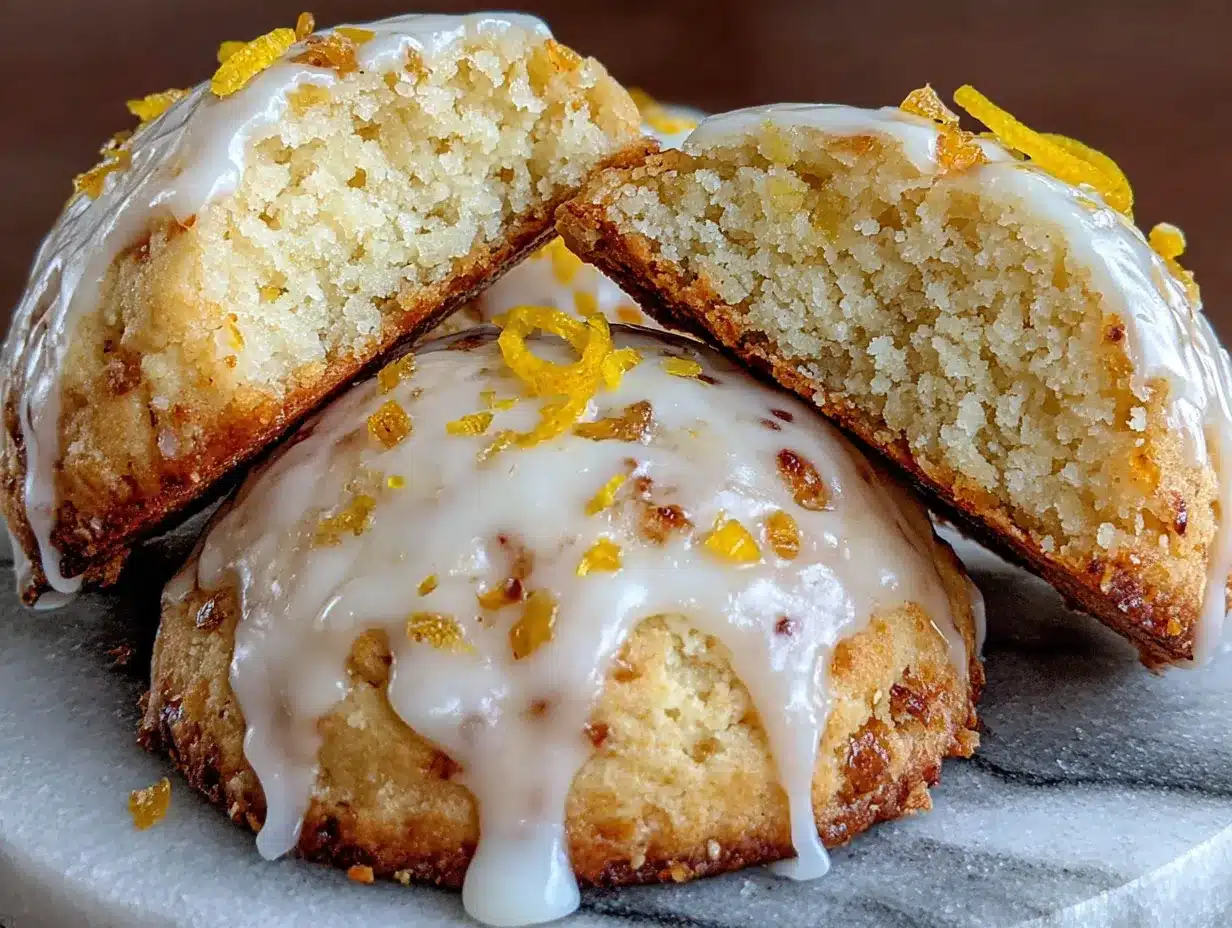
These Light & Lemony Soft Italian Ricotta Cookies are the result of letting go of my own stubbornness. They’re delicate, bright with fresh lemon, and so soft they practically melt on your tongue. The ricotta keeps them incredibly moist, while the lemon zest cuts through the richness with this sunny, fresh flavor that makes you want to eat three in a row. Maybe you’ve been there—stuck in your ways with a recipe, convinced your version was the only version. I get it. But trust me on this one.
Why You’ll Love This Recipe
I’ve tested these Light & Lemony Soft Italian Ricotta Cookies more times than I care to admit. I made them for my neighbor’s birthday, for a random Tuesday night, and for a cookie swap where they disappeared in ten minutes flat. Each time, I tweaked something—a little more lemon, a different flour blend, a slightly longer chill time. What I landed on is genuinely the best version I’ve ever made.
- Quick & Easy: These come together in about 30 minutes of active time. The dough comes together in one bowl, and there’s no chilling required (though you can if you want). Perfect for when you need cookies fast.
- Simple Ingredients: You probably have most of this in your kitchen right now. Ricotta, flour, sugar, eggs, butter, and a lemon. That’s it. No weird extracts or hard-to-find items.
- Perfect for Spring & Summer: The bright lemon flavor makes these ideal for warmer months, but honestly, I make them year-round. They’re light enough for a bridal shower but cozy enough for a winter afternoon.
- Crowd-Pleaser: I’ve served these to kids, grandparents, and everyone in between. They’re not too sweet, not too rich—just perfectly balanced. People always ask for the recipe.
- Unbelievably Soft: The ricotta creates this incredibly tender crumb that stays soft for days. You know that feeling when you bite into a cookie and it just gives? That’s these cookies.
What makes these different from every other ricotta cookie recipe out there is the lemon-to-ricotta ratio. I use a bit more zest than most recipes call for, and I add a splash of lemon juice to the glaze. The result is a cookie that tastes genuinely lemony, not like it just got a passing whiff of citrus. Plus, the whole wheat pastry flour trick gives them a tenderness that all-purpose flour alone just can’t match.
These cookies are the kind that make you close your eyes after the first bite. They’re comfort food reimagined—lighter, brighter, and somehow still deeply satisfying. Perfect for impressing guests without stress, or turning a simple afternoon into something memorable.
What Ingredients You Will Need
This recipe uses simple, wholesome ingredients that work together to create something truly special. Most of these are pantry staples, and the ones that aren’t—like fresh ricotta—are worth seeking out for the texture they provide.
For the Cookies
- 1 cup unsalted butter, softened – I like using Kerrygold for its rich flavor, but any good-quality butter works. Make sure it’s truly softened, not melted.
- 1 cup granulated sugar – Regular white sugar gives these the right sweetness without being overpowering.
- 1 cup whole milk ricotta – This is the star. Use full-fat ricotta for the best texture. I prefer Galbani or a good store-brand whole milk ricotta. Avoid part-skim—it’s too watery.
- 2 large eggs, room temperature – Cold eggs can seize the batter. Let them sit out for 30 minutes before starting.
- 2 tablespoons fresh lemon zest – From about 2 large lemons. Roll the lemons on the counter before zesting to release more oils. This is non-negotiable for that bright flavor.
- 1 teaspoon vanilla extract – Pure vanilla, not imitation. It rounds out the lemon beautifully.
- 2 cups all-purpose flour – I use Gold Medal unbleached.
- 1 cup whole wheat pastry flour – This is Jenna’s contribution. It makes the cookies incredibly tender. You can find it at most grocery stores or online.
- 2 teaspoons baking powder – Make sure it’s fresh. Old baking powder won’t give you the lift you need.
- ½ teaspoon salt – Fine sea salt works best.
For the Lemon Glaze
- 1½ cups powdered sugar – Sifted if it’s lumpy.
- 2 tablespoons fresh lemon juice – From the lemons you zested.
- 1 tablespoon milk – Whole milk gives the creamiest glaze, but any milk works.
- Optional: extra lemon zest for garnish – Because more lemon is always better.
Ingredient Selection Tip: When buying ricotta, look for one with a thick, creamy texture. If you see liquid pooling on top, drain it off gently before measuring. Some brands are runnier than others, and that can affect the cookie texture. I’ve also used Calabro ricotta with great results—it’s a bit pricier but incredibly creamy.
Substitution Guidance: If you don’t have whole wheat pastry flour, you can use all-purpose flour exclusively. The cookies will still be soft, just slightly less tender. For a gluten-free version, use a good 1:1 gluten-free flour blend that contains xanthan gum. Do not use almond flour—it changes the texture completely.
Equipment Needed
You don’t need much for these cookies, which is part of their charm. Here’s what I use:
- Large mixing bowl – I prefer a glass or ceramic bowl. Metal can sometimes react with the lemon.
- Electric hand mixer or stand mixer – You can do this by hand with a wooden spoon, but a mixer makes it much easier to cream the butter and sugar properly.
- Microplane or fine zester – This is essential for getting that fine lemon zest without the bitter white pith.
- Baking sheets – I use two half-sheet pans. Line them with parchment paper or silicone baking mats.
- Cookie scoop – A 1.5-tablespoon scoop gives you uniform cookies. I’ve used a #40 scoop for years and love it.
- Cooling rack – Wire racks let the cookies cool evenly. If you don’t have one, you can cool them on the baking sheet, but they might get a bit soggy on the bottom.
- Whisk – For the glaze. A small one works perfectly.
- Spatula – For scraping down the bowl and transferring cookies.
Budget-Friendly Options: If you don’t have a stand mixer, a hand mixer works just as well. No cookie scoop? Use two spoons to drop the dough. No cooling rack? A clean dish towel laid flat works in a pinch—just rotate the cookies after a few minutes.
Maintenance Tip: Your microplane will last longer if you hand-wash it immediately after use. Lemon zest can get stuck in the tiny holes and rust if left overnight. Trust me, I’ve ruined a few this way.
Preparation Method
Let me walk you through this step by step. I’ve made these cookies so many times that I could do it in my sleep, but I’ll share all the little details that make the difference.
-
Preheat your oven to 350°F (175°C). Line two baking sheets with parchment paper. Don’t skip the parchment—these cookies are delicate and can stick to ungreased pans.
-
Cream the butter and sugar. In a large bowl, beat the softened butter and granulated sugar together until light and fluffy, about 3-4 minutes. You want it to look pale and almost doubled in volume. Scrape down the sides of the bowl halfway through. This step is crucial—proper creaming creates air pockets that make the cookies tender.
-
Add the ricotta, eggs, zest, and vanilla. Beat in the ricotta until well combined. It might look a little curdled at first—that’s normal, don’t panic. Add the eggs one at a time, beating well after each. Then mix in the lemon zest and vanilla. The batter should look smooth and creamy at this point.
-
Combine the dry ingredients. In a separate bowl, whisk together the all-purpose flour, whole wheat pastry flour, baking powder, and salt. Make sure the baking powder is evenly distributed—I’ve made the mistake of not whisking well enough, and you get little bitter pockets of baking powder in some cookies.
-
Mix the dry ingredients into the wet. Add the flour mixture to the wet ingredients in two additions, mixing on low speed just until combined. Do not overmix! Overmixing develops gluten and makes the cookies tough. Stop as soon as you don’t see any more streaks of flour. The dough will be soft and slightly sticky—that’s exactly what you want.
-
Scoop the dough. Using your cookie scoop, drop rounded tablespoons of dough onto the prepared baking sheets, spacing them about 2 inches apart. These cookies spread a little, so give them room. If you don’t have a scoop, use two spoons to shape roughly round mounds.
-
Bake for 10-12 minutes. Bake one sheet at a time for best results. The cookies are done when the edges are just barely golden and the tops look set. They should still be pale on top—you’re not looking for browning. The centers will look slightly underdone, but they’ll continue to set as they cool. Overbaking is the number one mistake people make with these cookies.
-
Cool completely. Let the cookies rest on the baking sheet for 3 minutes, then transfer them to a wire rack to cool completely. Don’t try to glaze them while they’re still warm—the glaze will just slide right off and pool underneath.
-
Make the glaze. While the cookies cool, whisk together the powdered sugar, lemon juice, and milk until smooth. The glaze should be thick but pourable—if it’s too thick, add a drop more milk. If it’s too thin, add a bit more powdered sugar.
-
Glaze the cookies. Once the cookies are completely cool, dip the tops into the glaze or drizzle it over them with a spoon. Let the excess drip off, then place them back on the rack. Sprinkle with extra lemon zest while the glaze is still wet. Let the glaze set for about 30 minutes before serving.
Sensory Cue: When you cream the butter and sugar, it should look like pale, fluffy clouds. When you add the ricotta, the mixture should smell faintly milky and sweet. The baked cookies should feel light and springy when you gently press the center—if they feel dense, you might have overmixed the dough.
Cooking Tips & Techniques
I’ve learned a few things the hard way with these cookies, so let me save you some trouble.
Room temperature ingredients matter. I know, I know—every recipe says this. But with ricotta cookies, it’s especially important. Cold ricotta and eggs will make the butter seize up, and you’ll end up with a lumpy, uneven dough. Set everything out 30 minutes before you start. I forgot once and tried to speed things up by microwaving the ricotta—don’t do it. It got weirdly hot in spots and curdled the batter.
Don’t overmix the dough. This is the most common mistake. Mix until the flour just disappears, then stop. Overmixing develops gluten, and gluten makes cookies tough. You want these to be tender and cake-like, not chewy. I learned this lesson after making a batch that came out like hockey pucks. Not my finest moment.
Use a cookie scoop for even sizing. Uniform cookies bake evenly. If some are bigger than others, the small ones will burn while the big ones are still raw. A scoop takes the guesswork out. Plus, it’s faster than using spoons.
Watch the bake time closely. These cookies go from perfect to overdone in about 60 seconds. Start checking at 10 minutes. The edges should be just barely golden, and the centers should look slightly soft. They’ll firm up as they cool. If you wait until the centers look fully set, you’ve already overbaked them.
Glaze at the right temperature. If the cookies are even slightly warm, the glaze will melt into a sticky mess. If they’re too cold, the glaze might seize up. Room temperature is perfect. I usually let them cool for a full hour before glazing.
Multitasking strategy: While the first batch bakes, scoop the second batch onto the other baking sheet. While the second batch bakes, glaze the first batch. This way, you’re always moving forward.
Variations & Adaptations
These cookies are wonderfully adaptable. Here are some variations I’ve tried and loved:
Orange Ricotta Cookies
Swap the lemon zest and juice for orange. Use 2 tablespoons of orange zest and 2 tablespoons of fresh orange juice in the glaze. The flavor is sweeter and more mellow. I made these for a Christmas cookie exchange and they were a huge hit.
Gluten-Free Version
Replace both flours with 3 cups of a good 1:1 gluten-free flour blend that contains xanthan gum. I’ve used King Arthur Measure for Measure with excellent results. The cookies will be slightly more delicate, so handle them gently. No one will know they’re gluten-free.
Lemon Blueberry Ricotta Cookies
Fold in ½ cup of fresh or frozen blueberries (don’t thaw them if frozen) at the very end, just before scooping. Be gentle—you don’t want purple streaky batter. The burst of blueberry with the lemon is absolutely divine. I made these for a brunch once and they disappeared before the quiche.
Dairy-Free Adaptation
Use a good dairy-free butter substitute (I like Miyoko’s) and a dairy-free ricotta. Kite Hill makes a decent almond-based ricotta. The texture won’t be quite as tender, but they’re still delicious. Use oat milk in the glaze instead of regular milk.
Lighter Version
Reduce the butter to ¾ cup and increase the ricotta to 1¼ cups. Cut the sugar to ¾ cup. The cookies will be a bit less rich but still satisfying. My health-conscious friend Sarah requested these, and honestly, I couldn’t tell much difference.
Serving & Storage Suggestions
These cookies are best served at room temperature. The glaze should be fully set, which takes about 30 minutes after glazing. I like to arrange them on a pretty platter with a few lemon slices and fresh mint sprigs—it makes them look like they came from a bakery.
Serving temperature: Room temperature is ideal. If you’ve stored them in the fridge, let them sit out for 15 minutes before serving. The texture softens up beautifully.
Complementary dishes: These cookies pair wonderfully with a cup of hot tea—Earl Grey or chamomile work especially well. They’re also lovely with a glass of cold milk or a light Prosecco for a more grown-up treat. For a dessert spread, serve them alongside fresh berries and a dollop of whipped cream.
Storage instructions: Store these cookies in an airtight container at room temperature for up to 5 days. Place a sheet of parchment paper between layers to prevent the glaze from sticking. Do not refrigerate them—the fridge dries them out and makes the glaze sticky.
Freezer instructions: You can freeze the unglazed cookies for up to 3 months. Place them in a single layer on a baking sheet and freeze until solid, then transfer to a freezer-safe bag or container. When you’re ready to serve, thaw them at room temperature for about an hour, then glaze as directed. I’ve done this for holiday prep and it works perfectly.
Flavor development: These cookies actually taste better the next day. The lemon flavor mellows and blends with the ricotta, creating a more rounded taste. If you can resist eating them all on day one, you’ll be rewarded on day two.
Nutritional Information & Benefits
Here’s the approximate nutritional breakdown per cookie (based on 36 cookies):
- Calories: 130
- Fat: 6g
- Saturated Fat: 3.5g
- Carbohydrates: 18g
- Sugar: 11g
- Protein: 2g
- Fiber: 0.5g
- Sodium: 55mg
Health Benefits: Ricotta is a good source of calcium and protein, which helps keep you full longer. The lemon provides a dose of vitamin C and antioxidants. Using whole wheat pastry flour adds a bit of fiber compared to all-purpose flour alone.
Dietary Considerations: These cookies are vegetarian. For a gluten-free version, see the variations section. For a dairy-free version, see the adaptations above. They are not vegan, but you could experiment with plant-based substitutes (I haven’t tested a vegan version myself, so proceed with caution).
Potential Allergens: These cookies contain dairy, eggs, and wheat. If you have allergies, please adapt accordingly. The gluten-free version eliminates wheat, and the dairy-free version eliminates dairy.
Personal Wellness Perspective: I believe in balance—these cookies are a treat, not a health food. But I feel good about using real ingredients and making them from scratch. There’s something satisfying about knowing exactly what’s in your food, and these cookies are free from preservatives and artificial flavors.
Conclusion
These Light & Lemony Soft Italian Ricotta Cookies are everything I want in a cookie—tender, bright, and just sweet enough. They’re the kind of cookie that makes you slow down and actually taste what you’re eating. The ricotta gives them this incredible softness that lasts for days, and the lemon keeps them from feeling heavy.
What I love most about this recipe is how forgiving it is. You can adapt it to what you have on hand, make it gluten-free or dairy-free, add fruit or change the citrus—it always works. It’s become my go-to cookie for everything from casual afternoons to holiday gatherings, and it always delivers.
I’d love to hear how these turn out for you. Did you try a variation? Did you discover something new? Drop a comment below and let me know—I read every single one. And if you share them on social media, tag me so I can see your beautiful creations. Happy baking, friend. You’ve got this.
Frequently Asked Questions
Can I use low-fat ricotta in this recipe?
I don’t recommend it. Low-fat ricotta has more water content, which can make the cookies spread too much and turn out dense. Full-fat ricotta gives you that tender, cake-like texture that makes these cookies special.
Why did my cookies come out flat?
Flat cookies usually mean one of three things: your butter was too soft or melted, your baking powder is old, or the dough was overmixed. Make sure your butter is just softened, not greasy, and check that your baking powder is fresh (less than 6 months old).
Can I make the dough ahead of time?
Yes! You can refrigerate the dough for up to 24 hours. Just scoop it onto the baking sheet and bake straight from the fridge—you might need to add a minute or two to the bake time. I don’t recommend freezing the dough because the ricotta can get grainy when thawed.
How do I get the glaze perfectly smooth?
Sift your powdered sugar before whisking, and make sure your lemon juice is at room temperature. If the glaze is lumpy, strain it through a fine-mesh sieve. Also, whisk vigorously for about 30 seconds—it makes a difference.
Can I use bottled lemon juice instead of fresh?
Please don’t. Fresh lemon juice has a brightness that bottled juice just can’t match. Bottled juice often has preservatives that can affect the flavor and texture of both the cookies and the glaze. Trust me on this one—fresh is worth the extra minute of squeezing.
Pin This Recipe!

Light & Lemony Soft Italian Ricotta Cookies

These Light & Lemony Soft Italian Ricotta Cookies are delicate, bright with fresh lemon, and so soft they practically melt on your tongue. The ricotta keeps them incredibly moist, while the lemon zest cuts through the richness with a sunny, fresh flavor.
- Prep Time: 30 minutes
- Cook Time: 12 minutes
- Total Time: 42 minutes
- Yield: 36 cookies 1x
- Category: Dessert
- Cuisine: Italian
Ingredients
- 1 cup unsalted butter, softened
- 1 cup granulated sugar
- 1 cup whole milk ricotta
- 2 large eggs, room temperature
- 2 tablespoons fresh lemon zest
- 1 teaspoon vanilla extract
- 2 cups all-purpose flour
- 1 cup whole wheat pastry flour
- 2 teaspoons baking powder
- ½ teaspoon salt
- 1½ cups powdered sugar
- 2 tablespoons fresh lemon juice
- 1 tablespoon milk
- Optional: extra lemon zest for garnish
Instructions
- Preheat your oven to 350°F (175°C). Line two baking sheets with parchment paper.
- In a large bowl, beat the softened butter and granulated sugar together until light and fluffy, about 3-4 minutes. Scrape down the sides of the bowl halfway through.
- Beat in the ricotta until well combined. Add the eggs one at a time, beating well after each. Then mix in the lemon zest and vanilla.
- In a separate bowl, whisk together the all-purpose flour, whole wheat pastry flour, baking powder, and salt.
- Add the flour mixture to the wet ingredients in two additions, mixing on low speed just until combined. Do not overmix.
- Using a cookie scoop, drop rounded tablespoons of dough onto the prepared baking sheets, spacing them about 2 inches apart.
- Bake for 10-12 minutes, one sheet at a time. The cookies are done when the edges are just barely golden and the tops look set.
- Let the cookies rest on the baking sheet for 3 minutes, then transfer them to a wire rack to cool completely.
- While the cookies cool, whisk together the powdered sugar, lemon juice, and milk until smooth.
- Once the cookies are completely cool, dip the tops into the glaze or drizzle it over them with a spoon. Let the excess drip off, then place them back on the rack. Sprinkle with extra lemon zest while the glaze is still wet. Let the glaze set for about 30 minutes before serving.
Notes
Room temperature ingredients are crucial. Do not overmix the dough. Watch the bake time closely—cookies go from perfect to overdone in about 60 seconds. Glaze at room temperature. These cookies taste even better the next day.
Nutrition
- Serving Size: 1 cookie
- Calories: 130
- Sugar: 11
- Sodium: 55
- Fat: 6
- Saturated Fat: 3.5
- Carbohydrates: 18
- Fiber: 0.5
- Protein: 2
Keywords: ricotta cookies, lemon cookies, Italian cookies, soft cookies, easy cookie recipe