I wasn’t expecting cooking advice from our plumber, but there I was, standing in my muddy kitchen with a stopped-up sink, listening to him describe exactly how to make champurrado. His name was Miguel, and while he was packing up his tools on that freezing January morning, he noticed me shivering over my coffee mug. “You need something real for this weather,” he said, wiping his hands on a rag. “You need champurrado.” He told me about his grandmother in Puebla who made it every Christmas morning, how she’d wake up before dawn to toast the masa harina until the whole house smelled like corn and cinnamon. Honestly, I was so cold I would have tried anything he suggested.
So I scribbled his instructions on the back of an old receipt while he described the perfect consistency — thick enough to coat a spoon but thin enough to sip. He told me to use a molinillo if I had one, but a whisk would work too. “Just don’t rush it,” he said, and then he was gone, leaving me with a repaired pipe and a sudden craving for something I’d never tasted before. I made my first batch that afternoon, and let me tell you, the whole family came running into the kitchen asking what smelled so amazing. It wasn’t just the chocolate or the cinnamon — it was that warm, toasty scent of masa that fills every corner of the house.
That was three winters ago, and champurrado has become our official cold-weather tradition. My kids, who usually argue about everything, actually agree on this one. They stand by the stove watching me whisk, waiting for that first thick pour into their mugs. Maybe you’ve been there — searching for that one drink that wraps around you like a blanket on a gray day. This is it. This is the recipe that stuck because it came from an unexpected place and turned into something our family counts on.
Why You’ll Love This Recipe
This champurrado isn’t just another hot chocolate recipe. It’s the kind of drink that makes everyone slow down and actually sit together. After testing this recipe more times than I can count across different stoves and altitudes, I can tell you it works every single time. Here’s what makes it special:
- Budget-Friendly Ingredients: You probably already have most of these in your pantry. No fancy chocolate bars or imported vanilla needed. Just honest, simple staples that won’t blow your grocery budget.
- Kid-Approved & Picky-Eater Proof: My youngest refuses to drink regular hot chocolate now. She says it tastes like water compared to this. The masa gives it a body that kids find comforting and filling.
- Perfect for Cold Mornings: This isn’t a sipping drink — it’s a meal in a mug. On school days when we’re running late, champurrado with a piece of toast keeps everyone full until lunch.
- Reheats Beautifully: Leftovers are a gift. The flavors meld overnight, and a quick reheat on the stove brings it right back to life. No sad, separated mess.
- No Special Equipment Needed: You don’t need a molinillo or a clay pot. A regular saucepan and a whisk will do. I’ve made it in camping pots and electric kettles — it’s forgiving.
What makes this version different from others you’ll find online is the technique. Most recipes just dump everything together and hope for the best. I’ve figured out the exact order of adding ingredients to prevent lumps, the right toast time for the masa, and the perfect sweet spot where the chocolate doesn’t scorch. This is the version I’d serve to my mother-in-law without sweating.
This recipe hits that sweet spot between indulgence and practicality. It feels special enough for Christmas morning but simple enough for a random Tuesday. The first time you pour that thick, steaming cup and watch your family’s faces light up, you’ll understand why this one stuck around.
What Ingredients You Will Need
This recipe uses simple, honest ingredients that work together to create something truly comforting. Most of these are pantry staples, and the ones that aren’t are easy to find at any grocery store.
For the Champurrado Base
- 4 cups whole milk (adds richness; 2% works but won’t be as creamy)
- 1 cup water (helps thin the masa without making it too heavy)
- 1/2 cup masa harina (I use Maseca brand — it’s the most reliable and widely available)
- 1/3 cup piloncillo, chopped (this unrefined cane sugar gives authentic flavor; substitute dark brown sugar if you can’t find it)
- 3 ounces Mexican chocolate, chopped (Ibarra or Abuelita are my go-to brands; they already have cinnamon and sugar mixed in)
- 1 cinnamon stick (adds warmth without being overpowering)
- 1/4 teaspoon salt (don’t skip this — it balances the sweetness)
- 1 teaspoon vanilla extract (pure, not imitation, if you can swing it)
For Serving (Optional but Recommended)
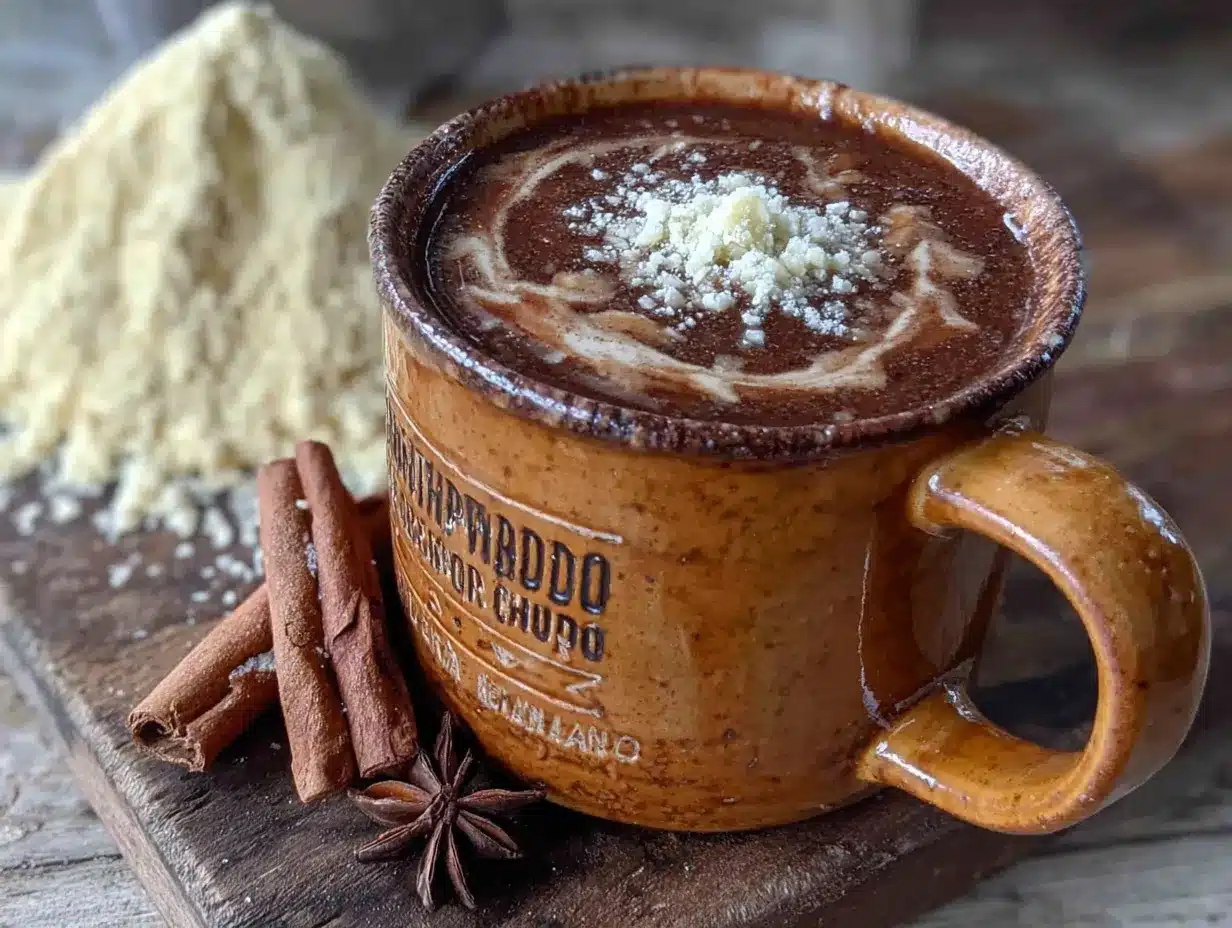
- Extra cinnamon sticks for stirring
- Whipped cream (my kids insist on this, but it’s not traditional)
- Crushed piloncillo for rimming mugs
The masa harina is the star here. It’s not cornstarch or cornmeal — it’s the same flour used for tortillas and tamales, and it gives champurrado that signature thick, slightly grainy texture that regular hot chocolate just can’t match. If you’ve never cooked with it before, don’t be nervous. It’s forgiving and cheap, so mistakes won’t cost you much.
For the piloncillo, look for it in the international aisle or a Latin market. It comes in cone shapes that look like little hats. You’ll need to chop it with a heavy knife, which is honestly the hardest part of this whole recipe. Dark brown sugar works in a pinch, but piloncillo has a deeper, almost smoky sweetness that’s worth seeking out.
Mexican chocolate is another key player. It’s grainier than regular chocolate because it contains sugar and cinnamon already ground in. I’ve tried making this with regular semi-sweet chocolate and adding my own cinnamon, and it’s just not the same. The texture is off. Spend the few dollars on Ibarra — one tablet makes two batches, so it stretches.
Equipment Needed
You don’t need a fancy kitchen to make great champurrado. Here’s what I use:
- Medium saucepan (4-quart is ideal; anything with a heavy bottom prevents scorching)
- Whisk (a balloon whisk works best for breaking up masa lumps)
- Wooden spoon (for stirring when the mixture thickens)
- Measuring cups and spoons
- Sharp knife (for chopping piloncillo and chocolate)
- Cutting board
- Mugs (heatproof ones, please — I learned this the hard way)
If you have a molinillo, by all means use it. It’s that carved wooden whisk that you spin between your palms, and it makes the drink frothy and authentic. But I made champurrado for two years with just a regular whisk before I found one at a flea market. Don’t let missing equipment stop you. A blender also works in a pinch to froth the finished drink, but honestly, the whisk method is simpler and means fewer dishes.
One tip: don’t use a nonstick pan for this. The whisk can scratch the coating, and you really want that heavy bottom that distributes heat evenly. My favorite is an old stainless steel pot I got at a thrift store for five dollars. It’s ugly but it works perfectly.
Preparation Method
This method might look long, but I promise it moves fast once you get going. The key is to toast the masa first — that’s the step most people skip, and it makes all the difference.
- Toast the masa harina (5 minutes): Place a dry saucepan over medium heat. Add the masa harina and stir constantly with a wooden spoon. You’re looking for it to turn a shade darker and smell nutty and toasty — like popcorn or toasted corn tortillas. It should take about 3 to 5 minutes. Don’t walk away during this step. Burnt masa tastes bitter and ruins the whole batch. I speak from experience.
- Add water and whisk (2 minutes): Slowly pour in the 1 cup of water while whisking vigorously. The mixture will seize up and look lumpy at first. Keep whisking. It will smooth out into a thin paste. This is where patience pays off. If you see lumps, keep going — they’ll break down.
- Add milk and cinnamon stick (5 minutes): Pour in the 4 cups of milk and drop in the cinnamon stick. Increase the heat to medium-high and bring the mixture to a gentle simmer, whisking occasionally. You’ll see it start to thicken as the masa absorbs the liquid. Don’t let it boil hard — a gentle bubble is what you want. Boiling can make the milk separate and give you a grainy texture.
- Add piloncillo and chocolate (3 minutes): Once the mixture is simmering and slightly thickened, add the chopped piloncillo and chopped Mexican chocolate. Whisk until both are fully melted and incorporated. This usually takes about 2 to 3 minutes. The color should turn a warm, deep brown — like caramel mixed with cocoa.
- Simmer and thicken (10 minutes): Reduce the heat to low and let the champurrado simmer gently, stirring occasionally with your wooden spoon. It should be thick enough to coat the back of a spoon but still pourable. If it gets too thick, add a splash of milk. If it’s too thin, let it simmer a few minutes longer. Trust your eyes here — every stove is different.
- Add salt and vanilla (1 minute): Remove the cinnamon stick. Stir in the salt and vanilla extract. Taste it. Adjust sweetness if needed by adding a bit more piloncillo or brown sugar. The salt should not taste salty — it should just make the chocolate taste more like itself.
- Whisk to froth (1 minute): Give the champurrado a final vigorous whisk to create some foam on top. This is where that molinillo would shine, but a whisk works fine. Pour into mugs immediately.
One more thing — the first time I made this, I forgot to add the vanilla. I realized it halfway through drinking my mug. The batch was still good, but it was missing that little something. Don’t be like me. Set your ingredients out before you start.
Cooking Tips & Techniques
After dozens of batches, here’s what I’ve learned the hard way so you don’t have to.
Don’t rush the toasting step. I know it’s tempting to skip ahead, but untoasted masa gives champurrado a raw, cornmeal taste that’s just not right. You want that nutty aroma to fill your kitchen before you add any liquid. The first time I made this, I under-toasted the masa and my husband asked if I’d added cornflakes. Not a compliment.
Whisk like you mean it. Champurrado is not a passive drink. You can’t just dump everything in a pot and walk away. The masa wants to lump up, and your whisk is the only thing standing between you and a clumpy mess. I use a figure-eight motion and scrape the bottom of the pan regularly. It’s a mini arm workout, but worth it.
Watch your heat. This is the number one mistake I see people make. High heat makes the milk scald and the chocolate burn. Medium-low is your friend. If you see steam rising but no bubbles, you’re in the sweet spot. If you see bubbles breaking the surface, turn it down. Burnt champurrado is sad champurrado.
Make it ahead. Here’s a secret — this tastes even better the next day. The flavors deepen and meld overnight. I often make a double batch on Sunday and reheat it throughout the week. Just add a splash of milk when reheating because it thickens as it sits. Reheat on the stove over low heat, whisking to bring it back to life.
Scale it up easily. This recipe doubles beautifully for parties or holidays. Just use a larger pot and give yourself extra time for the simmering step. The proportions stay the same, so no complicated math needed.
Variations & Adaptations
This recipe is flexible, and I’ve tried quite a few twists over the years. Here are my favorites:
Dairy-Free Version: Substitute the whole milk with full-fat oat milk or canned coconut milk. Oat milk gives the closest texture to dairy. Coconut milk adds a subtle tropical note that actually works well with the cinnamon. Avoid almond milk — it’s too thin and separates easily. I tested this for a friend with lactose intolerance, and the oat milk version was a hit with everyone, not just her.
Spicy Champurrado: Add a small pinch of cayenne pepper or a dried chipotle pepper while simmering. The heat doesn’t make it spicy — it just deepens the chocolate flavor and warms you from the inside out. My brother-in-law swears by this version and adds a whole star anise too. I remove the chipotle before serving so nobody bites into it.
Extra Thick Version: Use 3/4 cup of masa harina instead of 1/2 cup for a pudding-like consistency. This is how my neighbor’s grandmother makes it — she serves it in bowls with a spoon. My kids call it “hot chocolate pudding” and ask for it on snow days. Just be careful not to let it get too thick on the stove, because it will continue to thicken as it cools.
Kid-Friendly Sweetness: Reduce the piloncillo to 1/4 cup if your family prefers less sweet drinks. Mexican chocolate already contains sugar, so don’t be afraid to dial it back. My kids actually prefer it this way — they add their own sweetness with a drizzle of honey at the table. It makes them feel like they’re part of the process.
Morning Champurrado: Swap the water for strong brewed coffee for a mocha-style breakfast drink. I do this on weekends when I need an extra boost. The coffee doesn’t overpower the chocolate — it just adds depth. Start with 1/2 cup coffee and 1/2 cup water, then adjust to your taste.
Serving & Storage Suggestions
Champurrado is best served hot, right after whisking. Pour it into your favorite mug and watch the steam rise. The foam on top is part of the experience — don’t skim it off. I like to serve it with a cinnamon stick for stirring, which adds even more aroma as you drink.
For a cozy family morning, set out small bowls of toppings and let everyone customize their own cup. Whipped cream is a must in my house, but you could also offer crushed cinnamon, a drizzle of honey, or even a sprinkle of sea salt. My youngest likes to add mini marshmallows, which is not traditional but makes her happy, and honestly, that’s what matters.
This drink pairs beautifully with simple treats. Serve it alongside easy churros for dipping, or with a slice of pan dulce conchas for a complete Mexican breakfast. For a quicker option, buttered toast or a simple sugar cookie works too. The sweetness of the champurrado balances the butter perfectly.
Storage Instructions: Store leftover champurrado in an airtight container in the refrigerator for up to 5 days. The flavors actually improve after a day or two. When reheating, pour it into a saucepan and warm over low heat, whisking constantly. Add a splash of milk if it’s too thick. I don’t recommend microwaving — it heats unevenly and can create hot spots that burn your tongue.
Freezer Instructions: Champurrado freezes surprisingly well. Pour cooled champurrado into freezer-safe containers, leaving an inch of headspace for expansion. It keeps for up to 3 months. Thaw overnight in the refrigerator, then reheat on the stove with a splash of milk. I freeze individual portions in mason jars for quick breakfasts on busy mornings.
Make-Ahead Tip: You can prepare the masa mixture (steps 1-2) up to 24 hours in advance and store it covered in the refrigerator. When you’re ready to serve, just add the milk and continue with the recipe. This is my go-to trick for Christmas morning — it saves me 10 minutes of prep when the kids are already bouncing off the walls.
Nutritional Information & Benefits
One serving of this champurrado (about 1 cup) contains approximately 280 calories, 8 grams of fat, 45 grams of carbohydrates, and 8 grams of protein. These numbers will vary based on the milk and chocolate you use. The full recipe makes about 6 servings.
This drink offers some surprising nutritional benefits. The masa harina provides complex carbohydrates that digest slowly, giving you steady energy rather than a sugar crash. It’s also a source of fiber and contains small amounts of iron and B vitamins. The milk adds calcium and vitamin D, while the cinnamon has anti-inflammatory properties that can help with blood sugar regulation.
Mexican chocolate contains cocoa flavanols, which are antioxidants that support heart health. The piloncillo is less processed than white sugar, so it retains some minerals like calcium and iron. That said, this is still a sweet treat — I serve it as part of a balanced breakfast or as an afternoon snack, not as a meal replacement.
If you’re watching your sugar intake, try reducing the piloncillo to 1/4 cup and using unsweetened almond milk. The drink will be less sweet but still satisfyingly rich. For a lower-fat version, use 2% milk instead of whole. The texture will be slightly thinner but still delicious.
Conclusion
This champurrado has become more than just a recipe in our house — it’s a tradition. It’s what we make on the first truly cold day of fall, and what we sip while decorating the tree in December. It’s the drink that gets my kids out of bed on school mornings when they’d rather stay under the covers. And it all started with a plumber who took the time to share his grandmother’s recipe with a freezing stranger.
I hope you give this a try, and I hope you make it your own. Add more cinnamon if that’s your thing. Use oat milk if dairy doesn’t agree with you. Serve it with churros or with nothing at all. The beauty of this recipe is that it’s forgiving and flexible — it wants to work for you and your family.
When you make it, and I hope you do, come back and tell me how it went. Did your kids love it? Did you add a secret ingredient? Did you burn the masa like I did the first time? I want to hear it all. Leave a comment below or tag me in your photos. There’s nothing I love more than seeing this recipe find its way into new kitchens and new traditions. Happy sipping, friends.
Frequently Asked Questions
Can I use cornstarch instead of masa harina?
No, cornstarch won’t give you the same flavor or texture. Masa harina has a distinct corn taste that’s essential to champurrado. Cornstarch would just thicken the drink without adding any flavor, leaving you with plain hot chocolate. If you can’t find masa harina, try looking in the international aisle or a Latin market — it’s usually very affordable.
Is champurrado gluten-free?
Yes, as long as you use certified gluten-free masa harina and check your chocolate brand. Maseca brand masa harina is naturally gluten-free. Mexican chocolate brands like Ibarra and Abuelita are also gluten-free, but always check the label if you have celiac disease or a serious sensitivity.
Can I make this in a slow cooker?
Absolutely. Toast the masa in a skillet first, then transfer everything to a slow cooker. Cook on low for 2 to 3 hours, whisking once halfway through. This is perfect for parties or holiday mornings when you don’t want to stand over the stove. Just keep it on warm and let guests serve themselves.
Why is my champurrado lumpy?
Lumps usually happen when the masa isn’t whisked thoroughly before adding the milk. Make sure you whisk the masa and water into a smooth paste before adding any other liquid. If lumps still form, you can use an immersion blender to smooth them out. It won’t be traditional, but it’ll taste the same.
How do I make champurrado less sweet?
Reduce the piloncillo to 2 tablespoons or omit it entirely if you’re using sweetened Mexican chocolate. You can also use unsweetened cocoa powder mixed with masa harina and sweeten to taste with a small amount of honey or maple syrup. Taste as you go and adjust — it’s easier to add sweetness than to take it away.
Pin This Recipe!
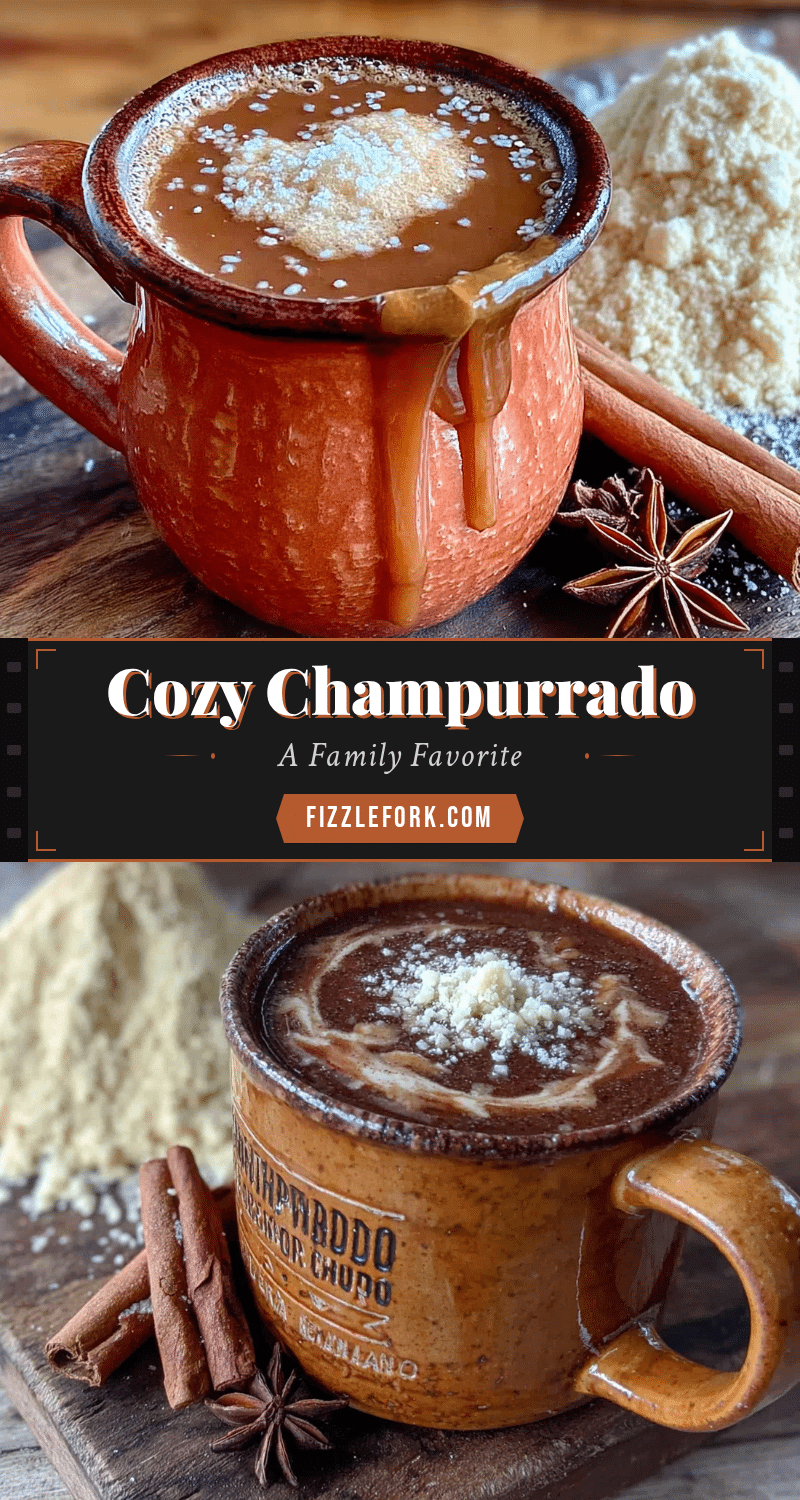
Cozy Champurrado: Easy Mexican Hot Chocolate Recipe
This champurrado is a thick, comforting Mexican hot chocolate made with masa harina and piloncillo. It’s a budget-friendly, kid-approved drink that’s perfect for cold mornings and wraps around you like a blanket.
- Prep Time: 10 minutes
- Cook Time: 25 minutes
- Total Time: 35 minutes
- Yield: 6 servings 1x
- Category: Beverage
- Cuisine: Mexican
Ingredients
- 4 cups whole milk
- 1 cup water
- 1/2 cup masa harina
- 1/3 cup piloncillo, chopped
- 3 ounces Mexican chocolate, chopped
- 1 cinnamon stick
- 1/4 teaspoon salt
- 1 teaspoon vanilla extract
- Extra cinnamon sticks for stirring (optional)
- Whipped cream (optional)
- Crushed piloncillo for rimming mugs (optional)
Instructions
- Toast the masa harina: Place a dry saucepan over medium heat. Add the masa harina and stir constantly with a wooden spoon until it turns a shade darker and smells nutty and toasty, about 3 to 5 minutes.
- Add water and whisk: Slowly pour in the 1 cup of water while whisking vigorously. The mixture will seize up and look lumpy at first. Keep whisking until it smooths out into a thin paste.
- Add milk and cinnamon stick: Pour in the 4 cups of milk and drop in the cinnamon stick. Increase the heat to medium-high and bring the mixture to a gentle simmer, whisking occasionally. Do not let it boil hard.
- Add piloncillo and chocolate: Once the mixture is simmering and slightly thickened, add the chopped piloncillo and chopped Mexican chocolate. Whisk until both are fully melted and incorporated, about 2 to 3 minutes.
- Simmer and thicken: Reduce the heat to low and let the champurrado simmer gently, stirring occasionally with a wooden spoon, until it is thick enough to coat the back of a spoon but still pourable, about 10 minutes. If it gets too thick, add a splash of milk.
- Add salt and vanilla: Remove the cinnamon stick. Stir in the salt and vanilla extract. Taste and adjust sweetness if needed.
- Whisk to froth: Give the champurrado a final vigorous whisk to create some foam on top. Pour into mugs immediately.
Notes
Toast the masa harina until nutty and fragrant; do not skip this step. Whisk vigorously to prevent lumps. Use low heat to avoid scorching the milk and chocolate. Leftovers taste even better the next day; reheat on the stove with a splash of milk. For a dairy-free version, use full-fat oat milk or canned coconut milk. For a spicy version, add a pinch of cayenne pepper or a dried chipotle pepper while simmering.
Nutrition
- Serving Size: 1 cup
- Calories: 280
- Sugar: 30
- Sodium: 200
- Fat: 8
- Saturated Fat: 4
- Carbohydrates: 45
- Fiber: 2
- Protein: 8
Keywords: champurrado, Mexican hot chocolate, masa harina, piloncillo, warm drink, cold weather, Christmas, breakfast