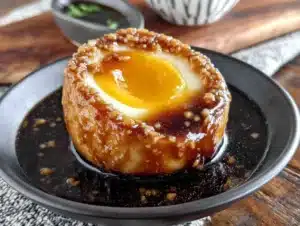
I was staring at a half-empty fridge on a Tuesday night, and the potluck was in twelve hours. I had volunteered to bring something—because I always do—and then promptly forgot. Everyone else would be showing up with those elaborate, multi-day preparations. The kind of dishes that make you nod slowly and say, “Wow, you really went all out.” I had a carton of eggs, a bottle of soy sauce, and a feeling of mild panic settling in my chest. I mean, you can’t just bring hard-boiled eggs to a potluck. That’s not a contribution; that’s a cry for help.
But then I remembered a trick I’d seen in a ramen shop once. Those glossy, dark, jammy eggs that sit on top of a steaming bowl of noodles. The ones that look impossibly fancy but are, honestly, just eggs that took a bath in the right stuff. I had maybe forty-five minutes before I needed to leave, and I figured, what’s the worst that could happen? I’d end up with a salty breakfast for the week. So, I boiled the eggs, mixed up a quick marinade with what I had on hand, and tossed them in. I didn’t even have time to think about it. I just threw them in a bag and ran out the door.
The potluck was the usual chaos. Platters of pulled pork, a suspiciously perfect lasagna, and a dessert table that looked like a bakery had exploded. I placed my little bowl of brown eggs on the corner of the table, feeling a bit sheepish. I honestly thought about hiding them behind the coleslaw. But then, people started picking them up. They’d slice one in half, see that molten, jammy yolk, and just stop talking for a second. By the end of the night, the bowl was empty, and three different people asked me for the recipe. I had to laugh. The one thing I threw together in a panic, with no time and no plan, was the thing everyone wanted. And that’s why I keep making these cozy jammy soy-marinated ramen eggs. Not because they’re complicated, but because they’re the perfect little secret weapon. Maybe you’ve been there—needing something that looks like you spent hours on it, when really, you just got lucky with a soy sauce bath.
Why You’ll Love This Recipe
These aren’t just any boiled eggs. They are a little pocket of joy that transforms a simple bowl of noodles, rice, or toast into something that feels like a warm hug. I’ve tested this method more times than I can count, tweaking the timing and the marinade to get that perfect, custard-like yolk that doesn’t run all over the place but is still gloriously soft.
- Quick & Easy: The active prep time is about 10 minutes. The rest is just waiting for the magic to happen in the fridge.
- Simple Ingredients: You probably have soy sauce, mirin, and a little sugar in your pantry right now. No special trips to the store required.
- Perfect for Meal Prep: Make a batch on Sunday, and you have a protein-packed topping for salads, grain bowls, or a quick snack all week.
- Unbelievably Satisfying: That first bite, where the soy sauce hits your tongue and the creamy yolk coats everything? It’s pure comfort. It’s the kind of food that makes you close your eyes, honestly.
- Crowd-Pleaser: I’ve yet to meet someone who doesn’t love these. They disappear at every gathering, from casual weeknight dinners to fancier brunches.
What makes this recipe different from the rest is the timing. It’s not just about boiling the egg; it’s about controlling the temperature so you get that perfect jammy consistency every single time. No gray rings around the yolk, no runny whites. Just a perfect, tender white and a rich, almost buttery yolk. It’s comfort food reimagined—faster, simpler, but with the same soul-soothing satisfaction. Perfect for impressing guests without stress, or turning a simple meal into something memorable.
What Ingredients You Will Need
This recipe uses a handful of pantry staples to create a marinade that’s deeply savory, slightly sweet, and totally addictive. The ingredients are simple, but the result is anything but. Here’s what you’ll need to get started.
- 6 large eggs: Use the freshest eggs you can find for the best flavor and texture. (I find that eggs at room temperature are less likely to crack when boiling.)
- 1/2 cup soy sauce: This is the backbone of the marinade. I prefer a good quality, low-sodium soy sauce like Kikkoman or San-J. It gives you more control over the saltiness.
- 1/4 cup mirin: This sweet Japanese rice wine adds a subtle sweetness and a beautiful shine to the eggs. Don’t skip it—it balances the soy sauce perfectly. (You can substitute with 2 tablespoons of sugar and 2 tablespoons of water if you don’t have mirin.)
- 1/4 cup water: This helps dilute the marinade so it’s not overwhelmingly salty.
- 1 tablespoon sugar: A little extra sweetness helps the flavors meld and gives the eggs a lovely glaze. (Brown sugar or honey work well here too.)
- Optional aromatics: A clove of garlic (smashed), a slice of ginger, or a pinch of red pepper flakes can add another layer of flavor. I usually add a clove of garlic for a subtle kick.
One thing I’ve learned is that the quality of your soy sauce really matters. A cheap soy sauce can make the marinade taste harsh and one-dimensional. I recommend spending a little extra on a good brand—it makes a noticeable difference in the final flavor. Also, if you’re using a sweeter mirin, you might want to cut back on the sugar a bit. Taste the marinade before you add the eggs; it should be savory, sweet, and a little tangy.
Equipment Needed
You don’t need any fancy gadgets for this recipe, which is part of its charm. Here’s what you’ll need to get those perfect jammy eggs.
- A medium saucepan: This is for boiling the eggs. Make sure it’s big enough to hold the eggs in a single layer.
- A bowl of ice water: This is crucial for stopping the cooking process and making the eggs easy to peel.
- A small bowl or jar: For mixing the marinade. A jar with a lid is great for shaking everything together.
- A resealable plastic bag or a small container: This is where the eggs will marinate. A bag is great because it uses less marinade to cover the eggs.
- A slotted spoon: For gently lowering the eggs into the boiling water and fishing them out.
I’ve tried a few different methods for boiling eggs, and I always come back to a simple saucepan. Those fancy egg cookers are fine, but they’re not necessary. A good, heavy-bottomed pot gives you the most control. And honestly, a bowl of ice water is your best friend here. It’s the secret to perfectly peeled eggs every time.
Preparation Method
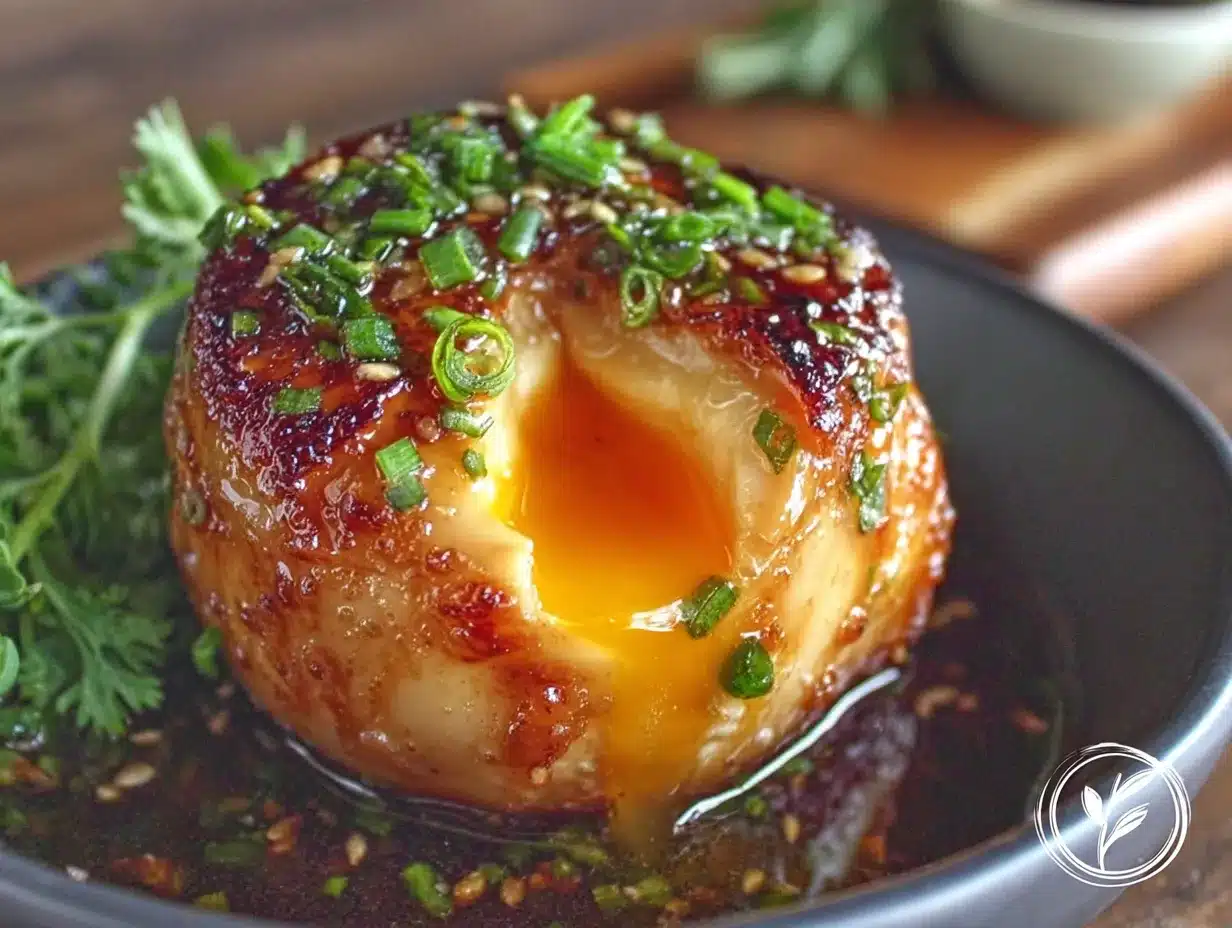
This is where the magic happens. Follow these steps carefully, and you’ll have perfect jammy eggs every single time. I’ve included a few of my own little tricks to make the process foolproof.
- Boil the water: Fill your saucepan with enough water to cover the eggs by about an inch. Bring it to a rolling boil over high heat. (Don’t add the eggs yet!)
- Prepare the ice bath: While the water is boiling, fill a medium bowl with cold water and a generous amount of ice. Set it aside.
- Lower the eggs gently: Using a slotted spoon, carefully lower the eggs into the boiling water. This is the most important step to prevent cracking. Don’t just drop them in.
- Set the timer: Boil the eggs for exactly 6 minutes and 30 seconds for a perfect jammy yolk. For a slightly firmer yolk, go for 7 minutes. For a very soft, runny yolk, try 6 minutes. (I’ve found 6:30 to be the sweet spot for that custard-like texture.)
- Shock the eggs: As soon as the timer goes off, use the slotted spoon to transfer the eggs to the ice bath. Let them sit for at least 5 minutes. This stops the cooking process immediately and makes them much easier to peel.
- Peel the eggs: Gently tap the eggs on a hard surface to crack the shell all over. Start peeling from the wider end, where the air pocket is. Running them under a little cold water can help loosen the shell. (Sometimes the shell sticks—don’t worry, it happens to everyone. A little patience goes a long way.)
- Make the marinade: In your small bowl or jar, whisk together the soy sauce, mirin, water, and sugar until the sugar is completely dissolved. Add your optional aromatics if you’re using them.
- Marinate the eggs: Place the peeled eggs in a resealable plastic bag or a small container. Pour the marinade over them, making sure they are completely submerged. Seal the bag, squeezing out as much air as possible. (This ensures the eggs are evenly coated.)
- Wait (the hard part): Place the bag or container in the refrigerator. Let the eggs marinate for at least 4 hours, but overnight is best. The longer they sit, the deeper the flavor and color will be. (I’ve left them for up to 48 hours, and they were amazing.)
A quick note: the eggs will continue to absorb the marinade as they sit. If you leave them for more than 24 hours, the texture of the white can become a little firmer and more “cured.” Some people love that; others prefer a shorter marinate. I think 8 to 12 hours is the perfect balance.
Cooking Tips & Techniques
I’ve made a lot of mistakes with these eggs. I’ve had them overcooked, undercooked, and stuck to the shell like glue. Here are the lessons I learned so you don’t have to.
- The ice bath is non-negotiable: I once skipped the ice bath because I was in a hurry. The eggs continued to cook from the residual heat, and I ended up with hard-boiled yolks. The ice bath is what gives you that perfect jammy center.
- Don’t overcrowd the pot: Boiling too many eggs at once can lower the water temperature too much, making it harder to time the cooking. Stick to 4-6 eggs at a time for consistent results.
- Use older eggs for easier peeling: Fresh eggs are wonderful for eating, but they are a nightmare to peel when hard-boiled. Eggs that are a week or two old will peel much more easily. The air pocket inside them is larger, which helps separate the shell from the white.
- Prick the bottom of the egg: Some people use a pin to prick the wider end of the egg before boiling. This releases a tiny air bubble and can help prevent cracking. I don’t always do it, but it’s a handy trick.
- The marinade can be reused: Don’t throw away that delicious marinade after you’ve used it! You can strain it and use it for a second batch of eggs, or use it as a base for a salad dressing or a stir-fry sauce. I’ve even used it to marinate tofu.
One time, I was multitasking and forgot about the eggs for almost 10 minutes. The yolks were completely solid, and the whites were rubbery. It was a sad, sad lunch. It taught me to always set a timer and never, ever walk away from the stove when boiling eggs for a specific time.
Variations & Adaptations
These eggs are a fantastic base for experimentation. Here are a few of my favorite ways to change them up, depending on my mood or what I have in the fridge.
- Spicy Soy Eggs: Add a teaspoon of sriracha or gochujang to the marinade for a fiery kick. I love doing this when I’m craving a little heat. The sweetness of the mirin balances the spice beautifully.
- Garlic-Ginger Eggs: Add two smashed cloves of garlic and a one-inch piece of sliced ginger to the marinade. It infuses the eggs with a warm, aromatic flavor that’s perfect for Asian-inspired bowls.
- Sesame Soy Eggs: Stir a tablespoon of toasted sesame oil into the marinade. It adds a nutty, toasty flavor that’s absolutely divine. I often sprinkle a few sesame seeds on top before serving for extra crunch.
- Sweet & Savory Eggs: Swap the mirin for a tablespoon of maple syrup or honey. It creates a richer, more complex sweetness that pairs wonderfully with salty soy sauce.
- Vegan “Egg” Alternative: While you can’t replicate the exact texture of an egg, you can marinate firm or extra-firm tofu in this same marinade. Slice the tofu into thick slabs, press out the excess water, and let it marinate for at least an hour. It’s a fantastic protein-packed option.
My personal favorite variation is the spicy one. I once made a batch with a heavy hand of gochujang, and they turned out so good that I ate three of them for breakfast over a bowl of rice. It was a good day.
Serving & Storage Suggestions
These eggs are incredibly versatile. Here’s how to serve them and keep them fresh for the week ahead.
- Serving Temperature: These eggs are best served cold or at room temperature. I usually take them out of the fridge about 10 minutes before I’m ready to serve them. They are the perfect topping for a steaming bowl of ramen, where the cold yolk contrasts with the hot broth.
- Presentation Tips: Slice the egg in half lengthwise just before serving. The vibrant, jammy yolk is a stunning visual. I like to place them on top of a bowl of noodles, a grain bowl, or even a simple piece of toast with avocado.
- Complementary Dishes: They are the star of a ramen bowl, but they also shine alongside a simple green salad, over a bowl of steamed rice with vegetables, or as a protein-packed snack on their own. They’re fantastic in a bento box, too.
- Storage Instructions: Store the marinated eggs in the refrigerator in an airtight container, covered in the marinade. They will last for up to 5 days. The flavor will continue to deepen over time, so they’re actually better on day two or three.
- Reheating: I don’t recommend reheating these eggs, as it will cook the yolk further and ruin that jammy texture. If you want them warm, you can gently place the halved egg in a hot broth or sauce for just a minute or two. The flavors will meld beautifully without overcooking the yolk.
I’ve found that the flavors actually develop and mellow out after a day or two in the fridge. The soy sauce penetrates deeper, and the sweetness becomes more balanced. So, if you can wait, make them a day ahead for the best possible flavor.
Nutritional Information & Benefits
This recipe is a fantastic way to add a boost of protein and healthy fats to your meal. Here’s a quick look at the nutritional profile of one marinated egg.
| Nutrient | Amount per Egg (approx.) |
|---|---|
| Calories | 70-80 |
| Protein | 6g |
| Fat | 5g |
| Carbohydrates | 2g |
| Sodium | 300-400mg |
- High-Quality Protein: Eggs are a complete protein source, meaning they contain all nine essential amino acids. They are fantastic for muscle repair and keeping you full and satisfied.
- Healthy Fats: The yolk contains healthy fats, including omega-3s, which are great for brain health and reducing inflammation.
- Rich in Vitamins: Eggs are packed with vitamins A, D, E, and B12, as well as choline, which is essential for liver and brain function.
- Dietary Considerations: This recipe is naturally gluten-free (as long as you use gluten-free soy sauce or tamari), low-carb, and keto-friendly. It’s a great option for those watching their carbohydrate intake.
While the sodium content is higher due to the soy sauce marinade, the portion size is small. I see these eggs as a flavorful, nutrient-dense addition to a balanced meal, not a daily staple. It’s all about moderation and enjoying that rich, savory flavor.
Conclusion
So, there you have it. The perfect jammy soy-marinated ramen egg. It’s the recipe that saved me from potluck shame and has become a staple in my kitchen ever since. It’s proof that you don’t need a pantry full of exotic ingredients or hours of free time to make something truly special. Sometimes, the simplest things—a perfectly cooked egg, a simple marinade—are the ones that bring the most joy.
I encourage you to make these your own. Play with the marinade, adjust the cooking time to your perfect yolk, and find your favorite way to serve them. Whether it’s on a bowl of noodles, a salad, or just on a piece of toast, I promise you’ll fall in love with them. I’d love to hear how they turn out for you! Drop a comment below and let me know your favorite variation, or share a photo of your creation. Happy cooking, and here’s to finding comfort in the simplest of dishes.
Frequently Asked Questions
Can I use a different type of vinegar instead of mirin?
Mirin has a unique sweet and mild flavor. If you don’t have it, you can substitute it with 2 tablespoons of water and 1 tablespoon of sugar. Rice vinegar is too acidic and will change the flavor profile significantly.
How long can I leave the eggs in the marinade?
You can leave them for up to 5 days in the refrigerator. The flavor will deepen over time. After 24 hours, the texture of the white will become a bit firmer, which some people prefer. I think the sweet spot is 8 to 12 hours.
Why did my eggs crack while boiling?
This usually happens when you drop them into the water too quickly or if the eggs are very cold. Always use a slotted spoon to gently lower them in, and let them sit at room temperature for 10 minutes before boiling.
Can I freeze these marinated eggs?
I don’t recommend freezing them. The texture of the white becomes watery and rubbery upon thawing. They are best enjoyed fresh from the refrigerator within a few days of making them.
What can I do with the leftover marinade?
Don’t throw it away! You can reuse it for another batch of eggs, or use it as a base for a salad dressing (add a little oil and vinegar), a stir-fry sauce, or a marinade for tofu or chicken. It’s full of flavor.
Pin This Recipe!
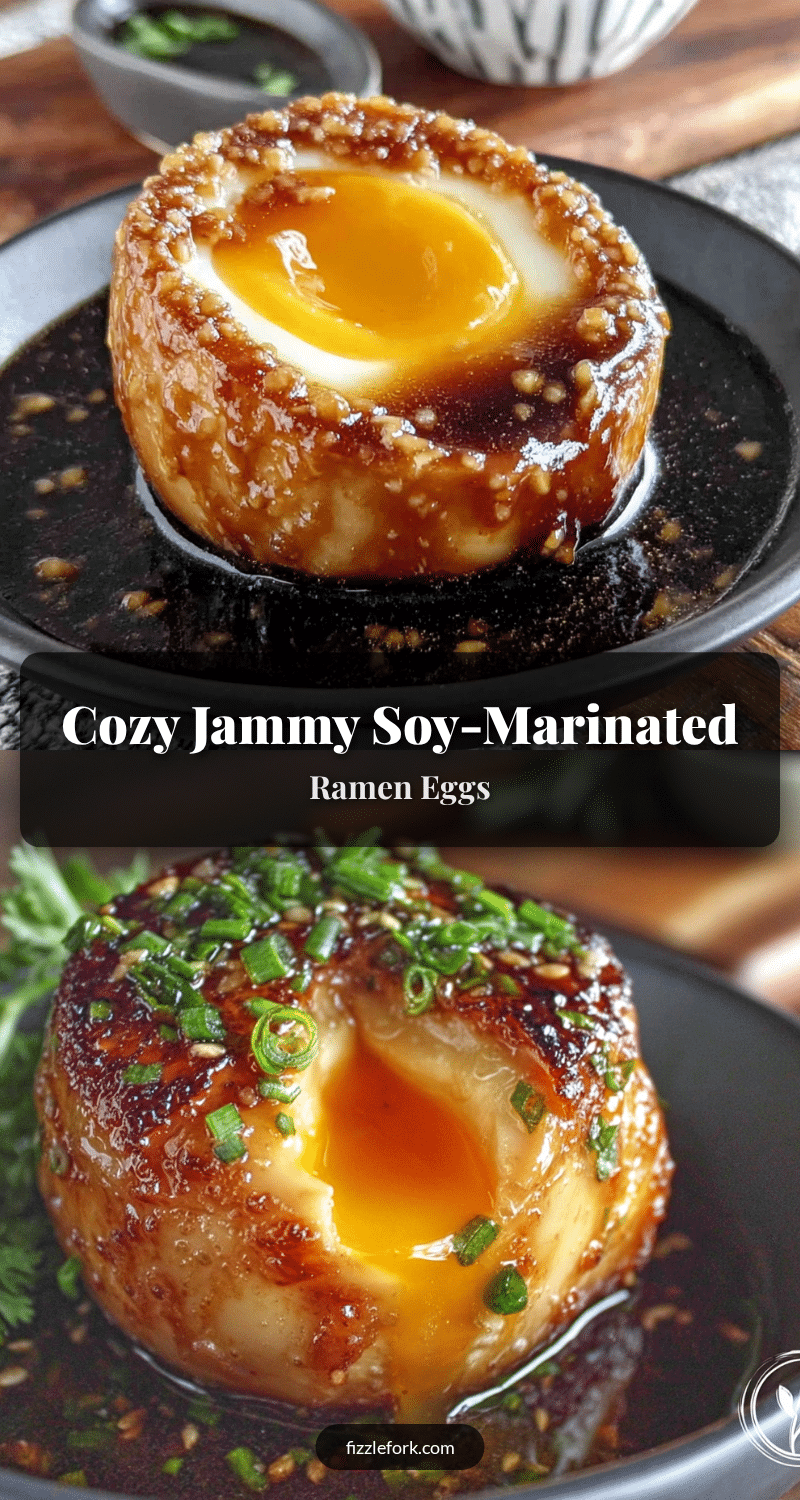
Perfect Jammy Soy-Marinated Ramen Eggs

These aren’t just any boiled eggs. They are a little pocket of joy that transforms a simple bowl of noodles, rice, or toast into something that feels like a warm hug. With a perfectly jammy yolk and a savory-sweet soy marinade, they’re the perfect little secret weapon for impressing guests or elevating a simple meal.
- Prep Time: 10 minutes
- Cook Time: 7 minutes
- Total Time: 4 hours 17 minutes (includes marinating time)
- Yield: 6 servings 1x
- Category: Appetizer
- Cuisine: Japanese
Ingredients
- 6 large eggs
- 1/2 cup soy sauce (low-sodium recommended)
- 1/4 cup mirin
- 1/4 cup water
- 1 tablespoon sugar
- 1 clove garlic (smashed, optional)
- 1 slice ginger (optional)
- Pinch of red pepper flakes (optional)
Instructions
- Fill a medium saucepan with enough water to cover the eggs by about an inch. Bring to a rolling boil over high heat.
- While the water is boiling, fill a medium bowl with cold water and a generous amount of ice. Set aside.
- Using a slotted spoon, carefully lower the eggs into the boiling water. Boil for exactly 6 minutes and 30 seconds for a perfect jammy yolk.
- As soon as the timer goes off, use the slotted spoon to transfer the eggs to the ice bath. Let them sit for at least 5 minutes.
- Gently tap the eggs on a hard surface to crack the shell all over. Peel starting from the wider end. Run under cold water if needed.
- In a small bowl or jar, whisk together the soy sauce, mirin, water, and sugar until the sugar is dissolved. Add optional aromatics if using.
- Place the peeled eggs in a resealable plastic bag or small container. Pour the marinade over them, ensuring they are completely submerged. Seal the bag, squeezing out as much air as possible.
- Refrigerate for at least 4 hours, but overnight is best. The longer they sit, the deeper the flavor and color will be.
Notes
The ice bath is non-negotiable for perfect jammy yolks. Use older eggs (a week or two old) for easier peeling. The marinade can be reused for a second batch or as a base for salad dressing or stir-fry sauce. For best flavor, marinate 8-12 hours. Do not freeze.
Nutrition
- Serving Size: 1 egg
- Calories: 75
- Sugar: 2
- Sodium: 350
- Fat: 5
- Saturated Fat: 1.5
- Carbohydrates: 2
- Protein: 6
Keywords: ramen eggs, soy marinated eggs, jammy eggs, soft boiled eggs, Japanese eggs, easy appetizer, meal prep