My brother had claimed to hate coconut for thirty-two years. Thirty-two years of pushing away anything with a hint of shredded coconut, of making faces at coconut milk in curries, of announcing at every single family gathering that he just didn’t get the appeal. Then Christmas Eve two years ago, I caught him standing alone in the kitchen, pouring himself a third glass of my homemade coquito. He didn’t even see me watching from the doorway. He just stood there, holding the mason jar like it was some kind of secret, taking slow sips and staring out the dark window at the snow. I didn’t say anything. I just backed away quietly and let him have his moment. Honestly, I think that was the best Christmas gift I got that year — catching my stubborn brother in the act of proving himself wrong.
This creamy authentic Puerto Rican coquito is exactly that kind of recipe. It’s the one that converts people without them even realizing it’s happening. I mean, I’ve watched self-proclaimed coconut-haters, eggnog-purists, and people who swore they didn’t like sweet drinks all fall for this stuff. There’s something about the way the coconut cream and cinnamon come together, the little kick of rum warming everything up, the way it feels like a hug in a glass. Maybe you’ve been there — you bring a bottle to a holiday party, expecting to take most of it home, and instead you leave with an empty jar and a dozen people asking for the recipe.
Let me tell you, this wasn’t an overnight success in my kitchen either. The first time I tried making coquito, I used the wrong kind of coconut milk and ended up with something that separated into weird layers. It looked like a science experiment gone wrong. But I kept at it, tweaking and testing, because the good versions I’d tasted from friends’ abuelas and tías were just too magical to give up on. This version right here is the one I finally landed on — the one that got my brother caught red-handed, the one that my neighbor Maria now requests every single year, the one that makes people close their eyes after that first sip. It stays with you, you know? Not just the flavor, but the feeling of making something that brings people together.
Why You’ll Love This Recipe
This isn’t just another holiday drink recipe. This is the one I’ve tested and retested until every single batch comes out perfectly creamy, perfectly spiced, and perfectly balanced. I’ve made this for Christmas parties, New Year’s Eve gatherings, and random Tuesday nights when I needed something cozy. It never disappoints.
- Quick & Easy: You can have this ready in about 15 minutes of active prep time. No cooking, no complicated techniques, no stress. Just blend, shake, and chill.
- Simple Ingredients: Everything you need is available at any regular grocery store. No special trips to specialty markets required. You probably already have the cinnamon and vanilla in your pantry.
- Perfect for the Holidays: This is the drink that shows up at every Puerto Rican Christmas celebration for good reason. It’s festive, it’s special, and it makes any gathering feel like a party.
- Crowd-Pleaser: I’ve served this to kids (minus the rum), to grandparents, to friends who swore they didn’t like coconut. Every single person has asked for a second glass. Every single one.
- Unbelievably Delicious: The texture is like liquid silk. The flavor is warm, sweet, and spiced with cinnamon and vanilla. It’s comfort in a glass, honestly.
What makes this recipe different from the dozens of others floating around? It’s the technique of blending everything together until perfectly smooth, then letting it rest in the fridge overnight. That resting time is the secret. The flavors meld together, the texture gets even creamier, and the rum mellows out into something smooth and dangerous. This isn’t just another version — it’s the version you’ll come back to year after year.
This is the kind of drink that makes you slow down. The first sip always makes me pause, even after making it dozens of times. It’s rich without being heavy, sweet without being cloying, and the rum gives it just enough warmth to feel special. Perfect for sharing with the people you love most, or for keeping a secret stash in the back of the fridge for yourself. I won’t judge.
What Ingredients You Will Need
This recipe uses simple, wholesome ingredients to deliver that signature creamy texture and warm, spiced flavor. Most of these are pantry staples or easy to find at any grocery store. The key is using the right kind of each ingredient — trust me on this, I learned the hard way.
- Cream of coconut (15 ounces) — This is not the same as coconut cream or coconut milk. Look for Coco López or Goya brand in the international aisle. It’s already sweetened and has that thick, luscious texture that makes coquito so good. (Don’t confuse it with coconut water or cream of coconut for cocktails — you want the sweetened one.)
- Sweetened condensed milk (14 ounces) — This adds sweetness and that velvety richness. I prefer Nestlé or store brand, both work fine. Make sure it’s sweetened condensed milk, not evaporated milk. They look similar but are very different.
- Evaporated milk (12 ounces) — This thins out the texture just enough without making it watery. It also adds a slight caramelized flavor that I love. Carnation is my go-to brand.
- Coconut milk (13.5 ounces, full-fat) — Use the full-fat version in a can, not the refrigerated carton kind. The fat content is what makes your coquito creamy. I’ve tried light coconut milk and it was a watery disaster. Learn from my mistakes.
- Puerto Rican rum (1 to 1.5 cups) — This is important. Use a good quality white or gold rum from Puerto Rico if you can find it. Bacardi, Don Q, or Captain Morgan all work well. The rum adds warmth and depth, not just alcohol. Start with 1 cup and add more to taste. (For a non-alcoholic version, just leave it out and add a little extra coconut milk.)
- Vanilla extract (1 tablespoon) — Pure vanilla extract makes a difference here. The artificial stuff has a weird chemical aftertaste that doesn’t play well with the coconut. I use Nielsen-Massey or simply organic store brand.
- Ground cinnamon (1 teaspoon) — This is the main spice. Use fresh ground cinnamon if you can — it really does taste brighter. I like Saigon cinnamon for its stronger flavor.
- Ground cloves (¼ teaspoon) — Just a tiny amount. Cloves are strong and can easily overpower everything else. A little pinch goes a long way.
- Nutmeg (¼ teaspoon, freshly grated if possible) — Fresh nutmeg is one of those small upgrades that makes a big difference. I keep a whole nutmeg in my spice drawer and grate it as needed.
- Cinnamon sticks (2-3, for garnish and flavor infusion) — These are mostly for presentation, but they also add a subtle extra layer of cinnamon flavor as the coquito sits.
Ingredient Selection Tips: When buying cream of coconut, shake the can before opening. It sometimes separates in storage. If it’s too thick to pour, warm the can slightly in a bowl of hot water for a few minutes. Also, check the expiration date on your evaporated and condensed milk — old milk can give your coquito an off flavor.
Substitution Guidance: For a dairy-free version, use full-fat coconut milk in place of both the evaporated milk and condensed milk. You’ll need about 2 cups of coconut milk total and ½ cup of maple syrup or agave for sweetness. It won’t be quite as thick, but it’s still delicious. For a lower-sugar option, use a sugar-free sweetened condensed milk substitute and light coconut milk.
Equipment Needed
You don’t need fancy equipment for this recipe. That’s one of the things I love about it. Here’s what you’ll need:
- Blender — A standard countertop blender works perfectly. I use a Vitamix, but any blender will do the job. If your blender is on the weaker side, just blend a little longer to make sure everything is smooth.
- Large pitcher or glass jar (at least 2-quart capacity) — You need something to store the finished coquito in. A large mason jar, a glass pitcher, or even a cleaned-out juice bottle works. I use a big glass flip-top bottle that looks nice on the table.
- Measuring cups and spoons — For accuracy. I’ve eyeballed this recipe before and regretted it. The ratios matter.
- Fine-mesh strainer (optional but recommended) — This catches any tiny bits of spice or unblended coconut that might be floating around. It makes the texture silky smooth.
- Funnel (optional) — Makes pouring into bottles much less messy. I always forget I have one and end up with sticky counters.
- Cheesecloth or coffee filter (optional) — If you want an extra-smooth texture, you can strain through cheesecloth. I only do this when I’m serving coquito to company.
Budget-Friendly Options: Honestly, a $20 blender from a discount store works fine for this. You don’t need a high-end machine. Just make sure everything is well combined. I made coquito for years with a cheap blender and it turned out great every time.
Preparation Method
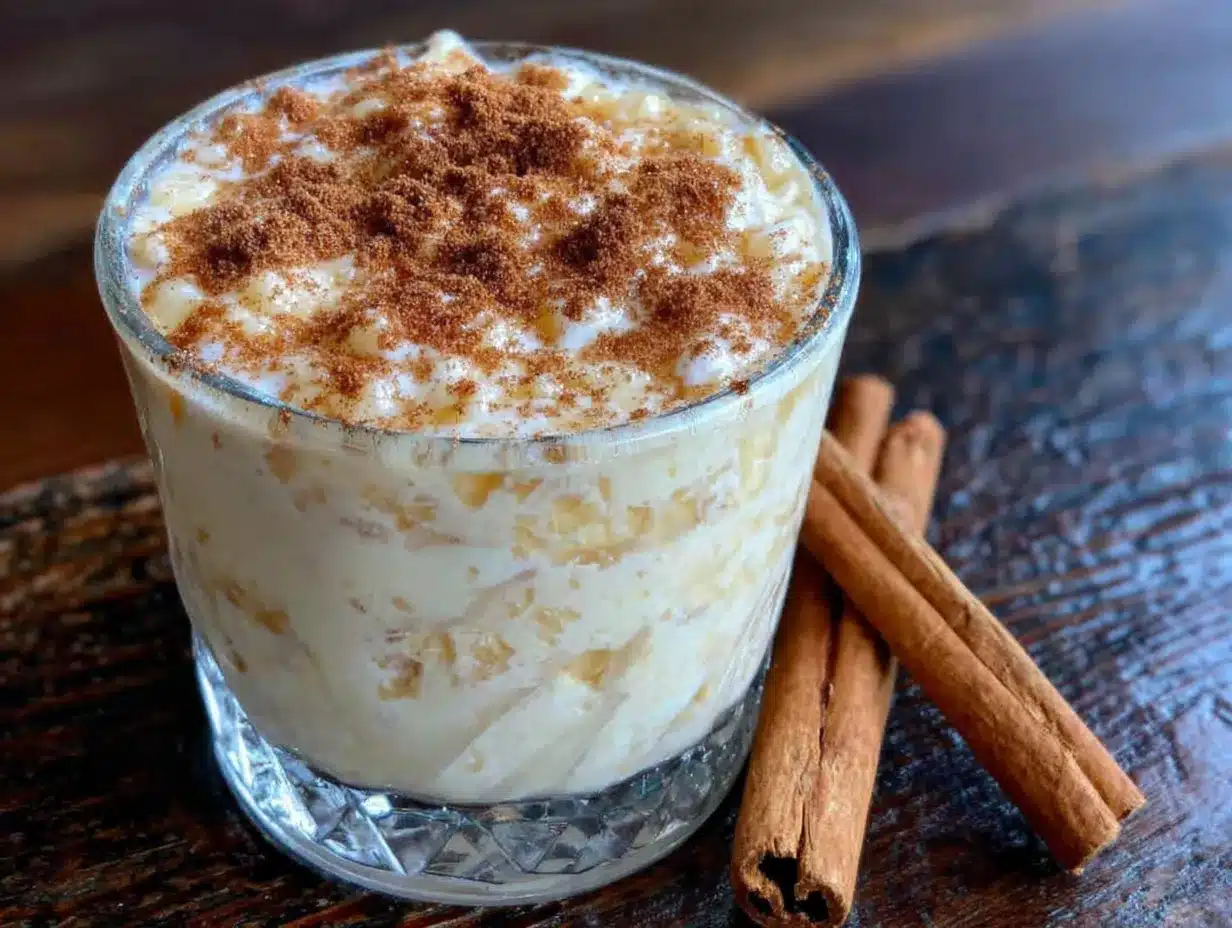
Making coquito is incredibly straightforward, but there are a few little tricks that make the difference between good coquito and unforgettable coquito. Follow these steps and you’ll be sipping something magical in no time.
- Gather and prep your ingredients. Take the cream of coconut and coconut milk out of the pantry. Open the cans of evaporated milk and sweetened condensed milk. Measure out your spices. Having everything ready before you start makes the process so much smoother. I learned this the hard way after once trying to open a can of condensed milk with one hand while holding the blender lid with the other.
- Add the liquid ingredients to the blender first. Start with the cream of coconut, then the sweetened condensed milk, then the evaporated milk, then the coconut milk. This order helps everything blend together more easily. Pour slowly so you don’t splash. (Ask me how I know.)
- Add the rum, vanilla, and spices. Pour in 1 cup of rum to start. Add the vanilla extract, ground cinnamon, ground cloves, and nutmeg. Remember, you can always add more rum later, but you can’t take it out. Start conservative and adjust to taste.
- Blend on low speed for 30 seconds, then high speed for 60 seconds. Start slow to combine everything without splashing, then crank it up to high. You want the mixture to be completely smooth and uniform. The spices should be fully incorporated — no streaks of cinnamon or clumps of coconut cream. It should look like a pale, creamy tan color.
- Taste and adjust. This is the most important step. Dip a spoon in and taste. Is it sweet enough? Does it need more cinnamon? More rum? This is your chance to customize. I usually end up adding another ¼ cup of rum and a pinch more cinnamon. Trust your taste buds here.
- Strain the mixture (optional but recommended). If you want that silky, restaurant-quality texture, pour the blended coquito through a fine-mesh strainer into your pitcher or bottle. This catches any tiny bits of spice or unblended coconut. If you’re using a strainer, press on the solids with a spoon to get all the liquid through.
- Add cinnamon sticks for infusion. Drop 2 or 3 cinnamon sticks into the bottle with the coquito. They’ll continue to infuse flavor as it chills. Plus, they look beautiful floating in the bottle.
- Refrigerate for at least 4 hours, but overnight is best. This is the hardest part — waiting. But I promise you, the coquito gets so much better after a night in the fridge. The flavors meld together, the texture thickens slightly, and the rum loses any harsh edge. It transforms from good to incredible.
- Shake or stir well before serving. The coconut cream can settle at the bottom as it sits. Give the bottle a good shake or stir with a long spoon before pouring. This redistributes everything evenly.
- Serve cold in small glasses. Coquito is rich, so small glasses are perfect. Shot glasses, small juice glasses, or even little mason jars work beautifully. Garnish with a sprinkle of cinnamon or a cinnamon stick if you’re feeling fancy.
Sensory Cues: When it’s properly blended, the coquito should look like a smooth, creamy latte. It should smell like coconut, cinnamon, and vanilla with a warm rum undertone. The texture should be thick enough to coat the back of a spoon but thin enough to pour easily. If it’s too thick, add a splash more coconut milk. If it’s too thin, add a little more cream of coconut.
Preparation Note: If you’re making a big batch for a party, double or triple the recipe easily. Just make sure your blender is big enough to handle it, or blend in batches and combine in a large container.
Cooking Tips & Techniques
I’ve made a lot of coquito over the years, and I’ve made just about every mistake you can imagine. Here’s what I’ve learned so you don’t have to make the same mistakes I did.
The biggest mistake people make is using the wrong coconut products. Cream of coconut is not the same as coconut cream. Cream of coconut is sweetened and has a syrupy texture. Coconut cream is unsweetened and thicker. Using the wrong one will throw off the entire recipe. I once grabbed a can of coconut cream by accident and ended up with a drink that was bitter and separated. Not good.
Don’t skip the resting time. I know it’s tempting to drink it right away, I really do. But fresh-blended coquito tastes thin and the rum flavor is sharp. After a few hours in the fridge, everything settles down and gets cozy together. Overnight is truly best. Make it the day before you plan to serve it.
Temperature matters. Serve coquito very cold. Warm coquito is not good. Keep it in the fridge until the last minute, and if you’re taking it to a party, pack it in a cooler with ice. The cold temperature also helps mask the alcohol taste if you’re using a stronger rum.
Adjust the rum to your crowd. I usually make two versions — one with a full cup of rum for the adults, and one with just a splash for the designated drivers and anyone who prefers a milder drink. I label them clearly because nobody wants to accidentally drink the strong one when they’re driving home.
Shake, shake, shake. Every time you pour a glass, give the bottle a good shake. The ingredients separate as they sit, and you want every glass to be perfectly creamy. I learned this after pouring a glass that was mostly coconut water from the top of the bottle. Disappointing doesn’t even begin to describe it.
One more thing: If you’re making this for a crowd, consider making it a few days in advance. The flavor actually continues to develop and improve over the first week. It’s one of those rare recipes that gets better with time, like a good stew or a slow-cooked sauce.
Variations & Adaptations
One of the best things about coquito is how adaptable it is. Here are some variations I’ve tried and loved.
Spiced Coquito: Add a star anise pod and a strip of orange peel to the blender along with the other ingredients. The anise gives it a warm, licorice-like note that pairs beautifully with the coconut. I made this version for a holiday party last year and it was gone in twenty minutes.
Chocolate Coquito: Melt ½ cup of dark chocolate chips and add them to the blender. The chocolate and coconut combination is absolutely divine. This version tastes like a boozy, creamy hot chocolate crossed with a coconut truffle. Dangerous stuff.
Vegan Coquito: Use full-fat coconut milk instead of evaporated milk, and use a can of coconut cream instead of sweetened condensed milk. Add ¼ cup of maple syrup or agave for sweetness. The texture is slightly lighter but still creamy. I’ve served this to dairy-free friends and they couldn’t tell the difference.
Spicy Coquito: Add a pinch of cayenne pepper or a small slice of fresh ginger to the blender. The heat cuts through the richness and adds a surprising kick. Start with just a tiny amount — you can always add more, but you can’t take it out.
Eggnog Coquito: Replace the evaporated milk with eggnog for a hybrid holiday drink. This is richer and even more decadent than regular coquito. I only make this once a year because it’s so indulgent, but it’s always a huge hit.
My personal favorite variation: I add a tablespoon of almond extract along with the vanilla. It gives the coquito a subtle nutty flavor that makes it taste even more complex. I stumbled on this by accident when I ran out of vanilla and used almond instead. Now I do it on purpose every time.
Serving & Storage Suggestions
Coquito is best served ice cold in small glasses. I like to use 4-ounce juice glasses or even shot glasses for parties. It’s rich, so people don’t need a huge amount to feel satisfied. Plus, small glasses mean people can come back for refills without overdoing it.
Garnish ideas: A light dusting of ground cinnamon on top, a cinnamon stick stirrer, or a tiny star anise floating on the surface. For a festive touch, rim the glass with cinnamon sugar. Just dip the rim in a little coconut milk, then into a mix of cinnamon and sugar.
What to serve with coquito: This drink pairs beautifully with Polvorones (Puerto Rican Christmas cookies) — the buttery, crumbly cookies are the perfect contrast to the creamy drink. It’s also wonderful alongside Pastelillos de Carne for a savory-sweet combo that’s hard to beat. For a dessert spread, serve it with Creamy Flan de Queso or Arroz con Dulce for a full Puerto Rican holiday experience.
Storage: Keep coquito in a sealed container in the refrigerator. It will stay good for up to 2 weeks — if it lasts that long. The flavors actually get better after a few days. I’ve never had a batch last longer than a week because it gets drunk too quickly.
Can you freeze coquito? Yes, you can! Pour it into freezer-safe containers, leaving a little room for expansion. It will keep for up to 3 months in the freezer. Thaw it in the refrigerator overnight and shake well before serving. The texture might be slightly different after freezing, but it’s still delicious.
Reheating: Don’t. Coquito is meant to be served cold. If you accidentally leave it out and it warms up, just put it back in the fridge to chill. Do not microwave it or heat it on the stove. Trust me on this.
How flavors develop over time: The first day, the rum flavor is more noticeable and the coconut is bright. By day three, everything has mellowed and blended together. By day five, it’s pure magic. I always try to make my coquito at least a week before I plan to serve it, just to let it reach peak deliciousness.
Nutritional Information & Benefits
Let’s be honest — coquito is not health food. It’s a rich, indulgent holiday treat. But that doesn’t mean it’s all bad news. Here’s a rough breakdown per 4-ounce serving (made with full cup of rum):
- Calories: approximately 250-300
- Fat: 12-15g (mostly from coconut)
- Carbohydrates: 25-30g
- Protein: 3-4g
- Alcohol content: varies based on rum amount
Health Benefits of Key Ingredients: Coconut contains medium-chain triglycerides (MCTs), which are a type of fat that your body can use for quick energy. Cinnamon has anti-inflammatory properties and may help with blood sugar regulation. Cloves and nutmeg are both rich in antioxidants. So while coquito isn’t a health drink, it does contain some beneficial ingredients in small amounts.
Dietary Considerations: This recipe contains dairy (from the evaporated and condensed milk) and coconut (which is a tree nut). It’s gluten-free as written. For a dairy-free version, see the variations section above. For a lower-sugar version, use sugar-free sweetened condensed milk and light coconut milk.
Potential Allergens: Dairy, coconut (tree nut). Always check your rum if you have allergies — some rums may contain additives.
Personal Wellness Perspective: I believe in balance. Coquito is a once-a-year treat for most people, and that’s exactly how it should be enjoyed. Sip it slowly, savor every drop, and don’t worry about the calories. Life is too short to skip the good stuff, especially around the holidays.
Conclusion
This creamy authentic Puerto Rican coquito is more than just a drink. It’s a tradition, a connection to family and culture, and a way to bring people together. Every time I make a batch, I think about my grandmother’s kitchen, about Christmas Eves past, about the sound of laughter and music filling the house. That’s what this recipe means to me.
I hope you’ll try it for yourself. Don’t be afraid to make it your own — add more cinnamon, less rum, a pinch of something unexpected. The best recipes are the ones that evolve with the people who make them. And honestly, I’d love to hear how yours turns out. Leave a comment below and tell me about your coquito tradition, or share a photo of your beautiful bottle on Pinterest. Tag me so I can see it!
Here’s to good drinks, good company, and the kind of recipes that become part of your story. Cheers, friends. Salud y amor.
Frequently Asked Questions
Can I make coquito without alcohol?
Absolutely! Just leave out the rum and add an extra ½ cup of coconut milk or a splash of vanilla extract to make up for the liquid. It’s still delicious and creamy, and kids can enjoy it too. I make a non-alcoholic batch every year for the younger crowd at our family gatherings.
Why did my coquito separate in the fridge?
Separation happens when the coconut cream settles at the bottom. This is completely normal! Just give the bottle a good shake before serving and everything will recombine. If it’s separating into watery and thick layers, you might have used light coconut milk instead of full-fat. Full-fat coconut milk has emulsifiers that help everything stay together better.
How long does homemade coquito last?
Stored in a sealed container in the refrigerator, coquito will stay good for up to 2 weeks. The flavors actually improve over the first few days. If you see any mold or smell something off, toss it. But honestly, I’ve never had a batch last long enough to go bad.
Can I use a different type of rum?
Yes, but the flavor will change. Puerto Rican white or gold rum is traditional and gives the smoothest result. Dark rum will add a stronger, more molasses-like flavor. Spiced rum can work but might clash with the cinnamon and cloves. I recommend sticking with a good quality white or gold rum for the most authentic taste.
Is coquito the same as eggnog?
No, they’re different drinks. Coquito is coconut-based and originated in Puerto Rico. Eggnog is dairy and egg-based with European origins. They’re both creamy holiday drinks often made with rum, but the flavor profiles are completely different. Coquito is lighter, more tropical, and doesn’t contain eggs. If you love coconut, you’ll probably prefer coquito over eggnog.
Pin This Recipe!
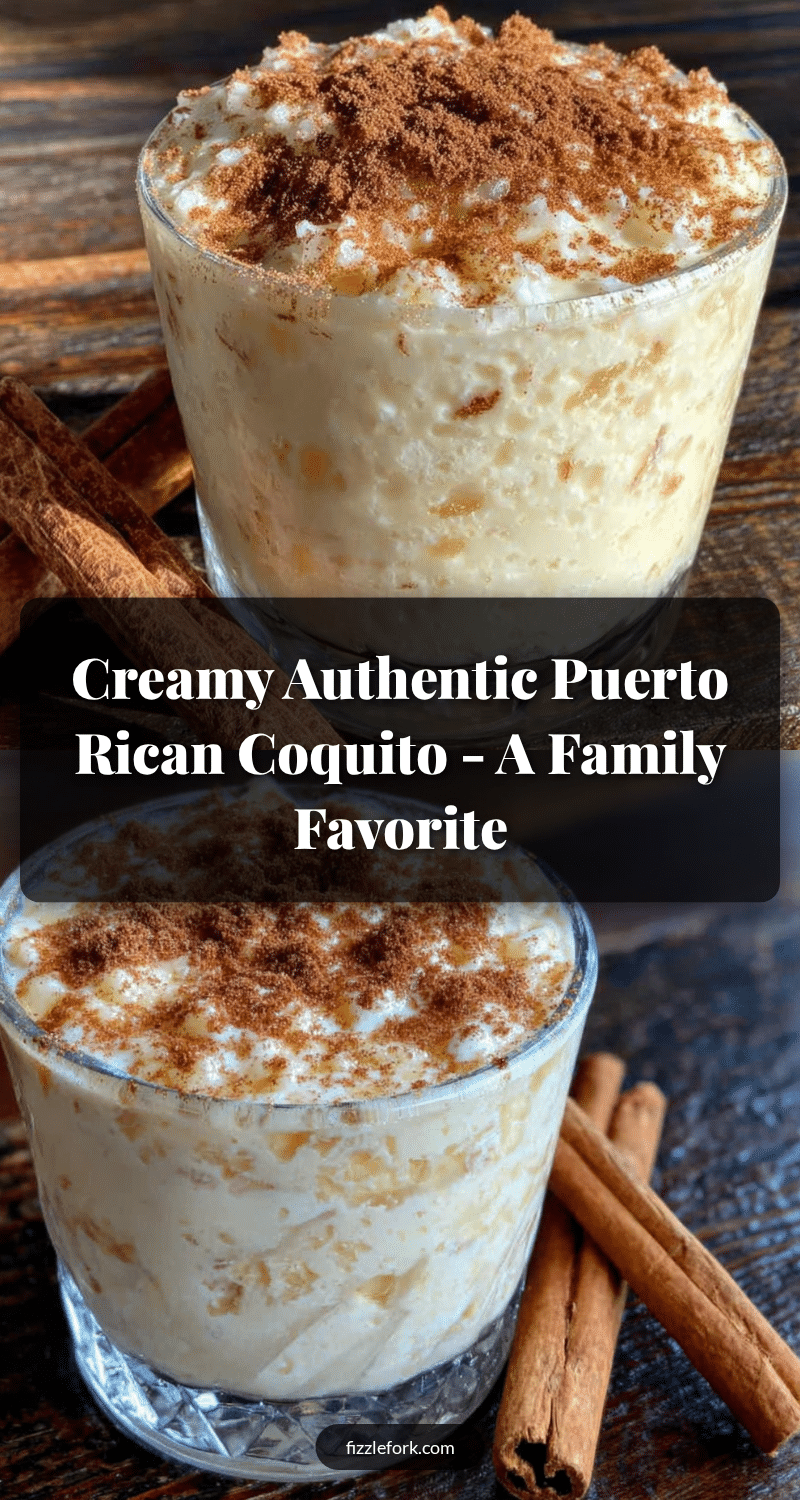
Creamy Authentic Puerto Rican Coquito – Best Family Recipe
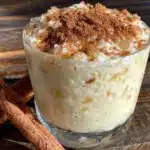
This creamy authentic Puerto Rican coquito is a rich, spiced coconut-based holiday drink that converts even the most stubborn coconut-haters. It’s the perfect blend of coconut cream, sweetened condensed milk, evaporated milk, coconut milk, Puerto Rican rum, and warm spices like cinnamon, cloves, and nutmeg.
- Prep Time: 15 minutes
- Cook Time: 0 minutes
- Total Time: 4 hours 15 minutes (includes chilling time)
- Yield: 8 servings 1x
- Category: Beverage
- Cuisine: Puerto Rican
Ingredients
- 15 ounces cream of coconut (e.g., Coco López or Goya)
- 14 ounces sweetened condensed milk
- 12 ounces evaporated milk
- 13.5 ounces full-fat coconut milk
- 1 to 1.5 cups Puerto Rican rum (e.g., Bacardi, Don Q, or Captain Morgan)
- 1 tablespoon vanilla extract
- 1 teaspoon ground cinnamon
- ¼ teaspoon ground cloves
- ¼ teaspoon nutmeg (freshly grated if possible)
- 2–3 cinnamon sticks (for garnish and flavor infusion)
Instructions
- Gather and prep your ingredients. Take the cream of coconut and coconut milk out of the pantry. Open the cans of evaporated milk and sweetened condensed milk. Measure out your spices.
- Add the liquid ingredients to the blender first: cream of coconut, sweetened condensed milk, evaporated milk, then coconut milk.
- Add the rum (start with 1 cup), vanilla extract, ground cinnamon, ground cloves, and nutmeg.
- Blend on low speed for 30 seconds, then high speed for 60 seconds until completely smooth and uniform.
- Taste and adjust. Add more rum, cinnamon, or other spices to your preference.
- Strain the mixture through a fine-mesh strainer into a pitcher or bottle for a silky texture (optional but recommended).
- Add 2-3 cinnamon sticks to the bottle for infusion.
- Refrigerate for at least 4 hours, but overnight is best. The flavors meld and the texture thickens.
- Shake or stir well before serving to redistribute any settled ingredients.
- Serve cold in small glasses. Garnish with a sprinkle of cinnamon or a cinnamon stick if desired.
Notes
The resting time is crucial for flavor development. Make it a day ahead for best results. Shake well before each serving as ingredients can separate. For a non-alcoholic version, omit the rum and add extra coconut milk or vanilla extract.
Nutrition
- Serving Size: 4 ounces
- Calories: 275
- Sugar: 24
- Sodium: 85
- Fat: 13.5
- Saturated Fat: 11
- Carbohydrates: 27.5
- Protein: 3.5
Keywords: coquito, Puerto Rican coquito, coconut drink, holiday drink, Christmas drink, creamy coquito, authentic coquito