It was 11:47 PM on a rainy Thursday, and I had a specific craving for something I absolutely could not afford. A standing rib roast. The good one. The one with the fat cap and the marbling that costs as much as a small appliance. I didn’t have the budget for a butcher-shop special, but I had a smaller, more modest roast from the grocery store clearance section, a stick of butter that was about to expire, and the wild idea that I could make it taste like I had spent a fortune anyway. That late-night kitchen session, fueled by stubbornness and a drizzle of desperation, is where this garlic herb butter prime rib roast was born. I wasn’t trying to impress anyone. I was just tired of pretending that special dinners had to break the bank.
I remember standing there, the rain tapping against the window, thinking about my grandma. She never made prime rib. Too fancy, she’d say. But she could take a cheap cut of beef and turn it into something that made you close your eyes. That night, I channeled her energy. I rubbed that sad little roast with a compound butter so fragrant it woke up the whole house. The garlic, the rosemary, the thyme—it smelled like Christmas in July. I didn’t even have a proper roasting pan, so I used a cast iron skillet that was too small, and the drippings spilled over the sides, filling the kitchen with smoke and the most incredible aroma. Honestly, I thought I’d ruined it.
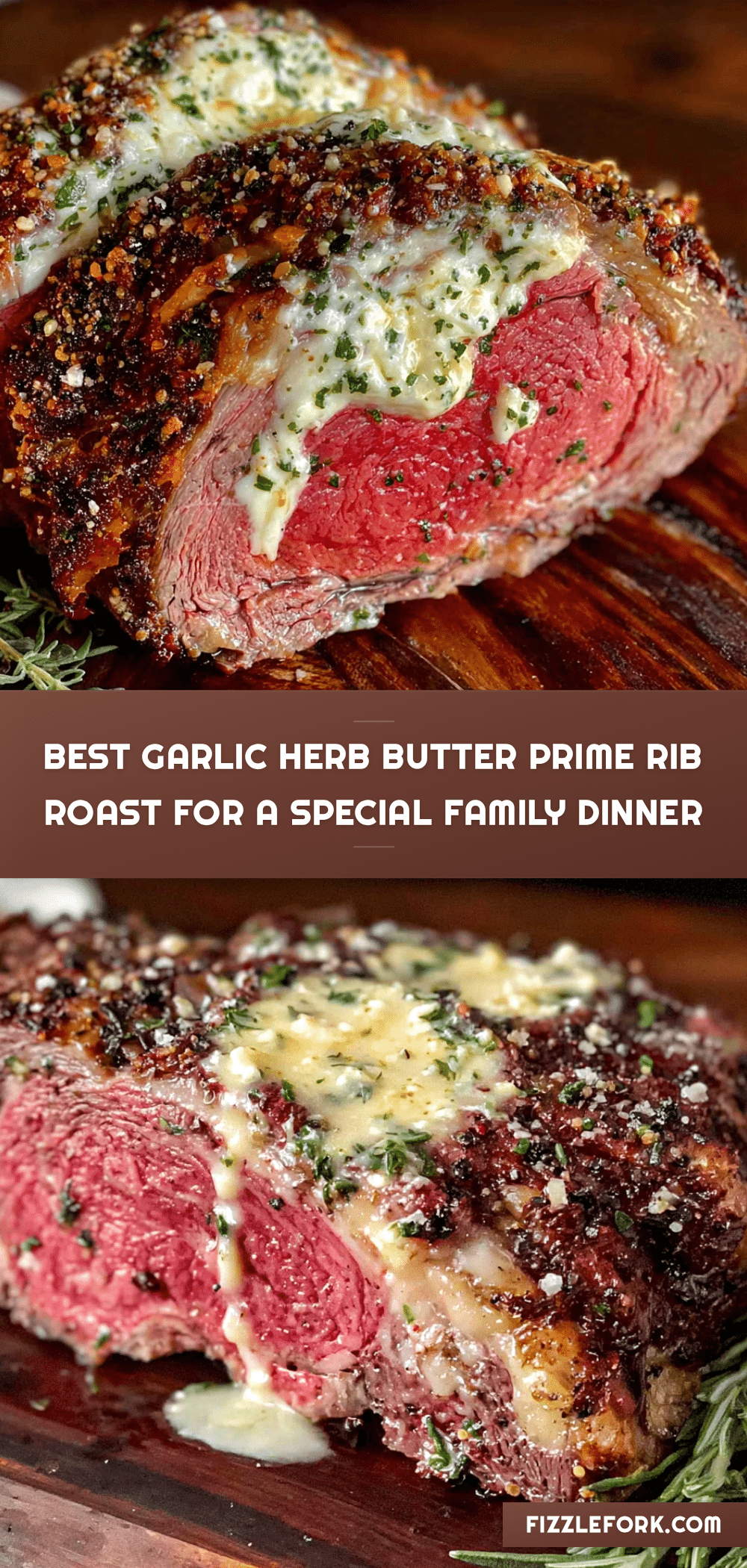
But when I pulled it out, let it rest, and sliced into it, the crust was perfect. Crackling, golden, herby. The inside was a perfect medium-rare, pink and tender. I stood there in my pajamas, eating a slice straight from the cutting board at midnight, and I knew I had stumbled onto something. Maybe you’ve been there—that moment when a happy accident turns into a recipe you’ll make forever. This is that recipe. It’s the one you pull out when you want to feed your family something spectacular without the stress or the price tag. It’s the best garlic herb butter prime rib roast for a special family dinner, and it started with a rainy Thursday and a whole lot of hope.
Why You’ll Love This Recipe
Let me tell you why this roast is different. I’ve tested this method about a dozen times, tweaking the butter ratio, the roasting temperature, and the resting time. What I landed on is a foolproof system that delivers restaurant-quality results every single time. You don’t need to be a chef. You just need to follow the steps and trust the process.
- Simple Ingredients: No fancy grocery trips. You likely have garlic, butter, and herbs in your kitchen right now. The roast itself is the star, and you can find a good one without spending a fortune.
- Perfect for a Special Family Dinner: This is the centerpiece. The one that makes everyone gather around the table and take photos. It’s for holidays, birthdays, or just a Sunday that feels important.
- Crowd-Pleaser: I’ve served this to picky eaters, to in-laws, to friends who “don’t really like beef.” It gets rave reviews every single time. The garlic herb butter does all the heavy lifting.
- Unbelievably Delicious: The crust is crispy and packed with flavor. The inside is melt-in-your-mouth tender. It’s comfort food that feels luxurious, but it’s actually pretty straightforward to make.
What makes this recipe different from the rest is the technique. Most recipes tell you to sear the roast first, then roast it low and slow. That works, but it can dry out the meat. My method uses a reverse sear—roasting it low first, then blasting it with high heat at the end. This guarantees an even cook from edge to center, and the garlic herb butter creates a crust that is out of this world. It’s not just another prime rib recipe. It’s the best version I’ve ever made.
This recipe is the kind that makes you close your eyes after the first bite. It’s comfort food reimagined—simpler, more affordable, but with the same soul-soothing satisfaction. Perfect for impressing your family without the stress. Trust me, they’ll think you spent hours in the kitchen. You don’t have to tell them it was actually pretty easy.
What Ingredients You Will Need
This recipe uses simple, wholesome ingredients to deliver bold flavor and satisfying texture without the fuss. Most of these are pantry staples, and the ones that aren’t are easy to find at any grocery store.
For the Garlic Herb Butter
- 1/2 cup (1 stick) unsalted butter, softened (I use Kerrygold for its richness, but any good butter works)
- 6 cloves garlic, minced (fresh is non-negotiable here—the jarred stuff won’t give you the same punch)
- 2 tablespoons fresh rosemary, finely chopped (dried works in a pinch, but fresh is so much better)
- 2 tablespoons fresh thyme leaves, chopped (same rule applies—fresh if you can)
- 1 tablespoon fresh parsley, chopped (for a little freshness)
- 1 teaspoon salt (I prefer kosher salt for its texture)
- 1/2 teaspoon black pepper, freshly ground
- 1/2 teaspoon red pepper flakes (optional, but it adds a lovely warmth)
For the Prime Rib Roast
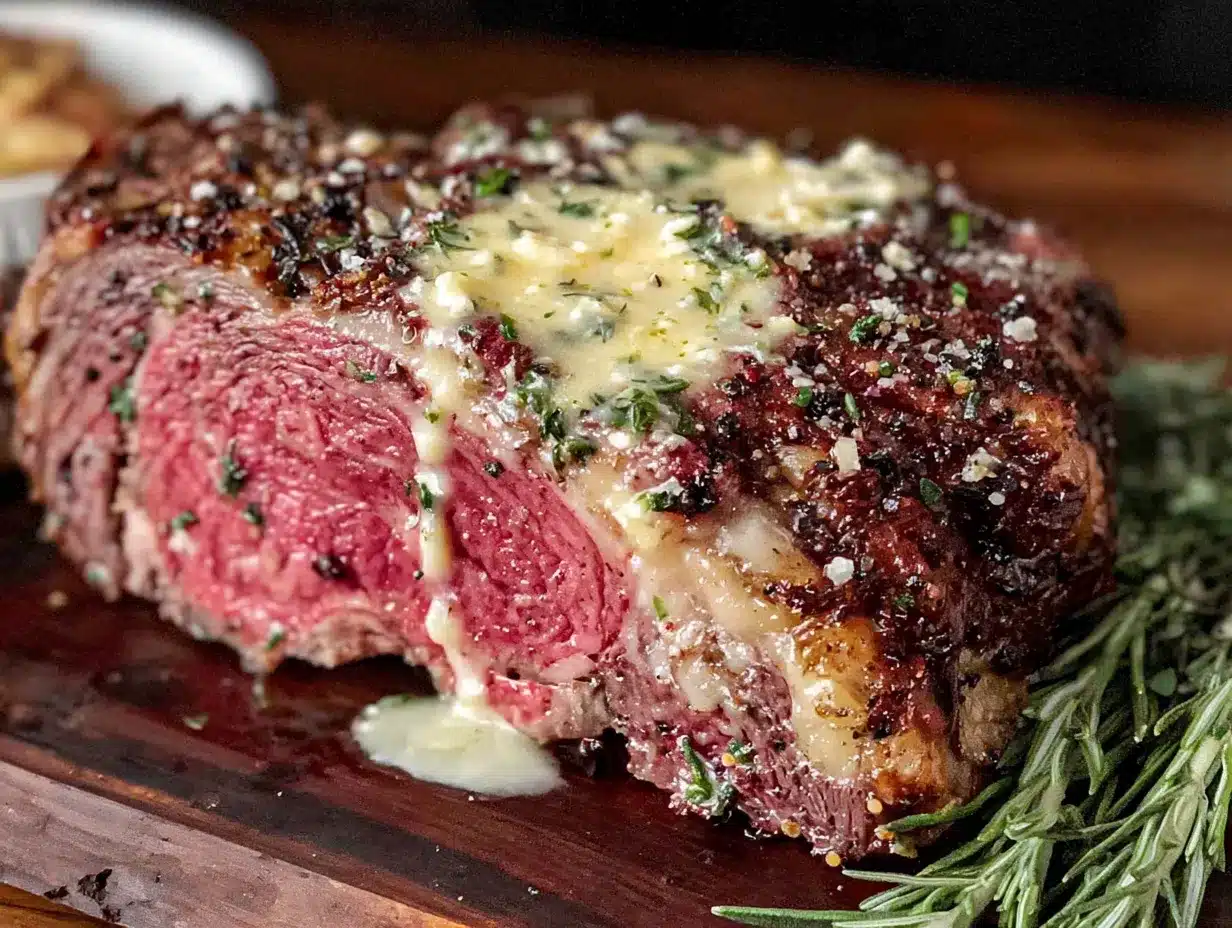
- 1 (4-5 pound) bone-in prime rib roast (look for one with good marbling—it’s the key to tenderness)
- 1 tablespoon kosher salt (for the dry brine)
- 1 teaspoon black pepper
- 1 tablespoon olive oil (for searing)
A note on the roast: I recommend buying a bone-in roast. The bones add flavor and help the meat cook more evenly. Plus, they look impressive on the platter. If you can only find a boneless roast, that’s fine too—just adjust the cooking time slightly (it will cook a bit faster). I’ve used both, and I personally prefer bone-in for the extra flavor.
For the herbs, I grow my own rosemary and thyme in the summer, but in the winter, I buy them fresh from the store. If you’re in a pinch, dried herbs work, but use half the amount—dried herbs are more concentrated. I’ve made this with dried herbs when I was snowed in, and it was still delicious. Just not as bright.
One more thing: the butter. It needs to be softened, not melted. If you forget to take it out of the fridge, cut it into small cubes and let it sit on the counter for 15 minutes. You want it spreadable, not liquid. Trust me on this.
Equipment Needed
You don’t need a lot of fancy equipment to make this roast. Here’s what you’ll need:
- Roasting pan with a rack (a rack is important for air circulation—if you don’t have one, you can use a wire cooling rack set inside the pan)
- Instant-read thermometer (this is non-negotiable—you need to know the internal temperature for perfect doneness)
- Cast iron skillet (for searing the roast before it goes in the oven—if you don’t have one, a heavy-bottomed pan works)
- Chef’s knife (for mincing garlic and chopping herbs)
- Cutting board
- Mixing bowl (for the compound butter)
- Aluminum foil (for tenting the roast while it rests)
- Kitchen twine (optional—if your roast isn’t tied, you can tie it yourself to help it hold its shape)
I use a cheap roasting pan I bought at a discount store, and it works perfectly. You don’t need the expensive one. The thermometer, though—spend the extra few dollars on a good one. It’s the difference between a perfect medium-rare and a well-done disaster. I learned that the hard way.
Preparation Method
This method is broken down into steps that are easy to follow. Take your time, and don’t rush the resting periods. They’re just as important as the cooking.
Step 1: Dry Brine the Roast (Do This the Night Before)
Pat the prime rib roast dry with paper towels. Generously season all sides with 1 tablespoon of kosher salt and 1 teaspoon of black pepper. Place the roast on a wire rack set over a baking sheet, and leave it uncovered in the refrigerator overnight (at least 12 hours). This dry brine draws out moisture, then reabsorbs it, seasoning the meat from the inside out. It also dries out the surface, which helps create that amazing crust. If you don’t have 12 hours, aim for at least 4—it still makes a difference.
Step 2: Make the Garlic Herb Butter
In a small mixing bowl, combine the softened butter, minced garlic, chopped rosemary, thyme, parsley, salt, pepper, and red pepper flakes (if using). Mix until everything is evenly distributed. Taste a tiny bit (yes, raw butter—it’s safe) to check the seasoning. You want it bold and herby. Set aside at room temperature.
Step 3: Bring the Roast to Room Temperature
About 2 hours before you plan to cook, take the roast out of the fridge. Let it sit on the counter, still on the rack, to come to room temperature. This is crucial for even cooking. A cold roast will cook unevenly, with a raw center and an overcooked exterior. Patience, my friend.
Step 4: Preheat and Prepare
Preheat your oven to 250°F (120°C). Yes, that’s low. We’re using the reverse sear method. While the oven is heating, rub the garlic herb butter all over the roast, covering every surface. Don’t be shy—use it all. The butter will melt and baste the meat as it cooks.
Step 5: Roast Low and Slow
Place the roast on a rack in your roasting pan, bone-side down. Roast at 250°F for about 25-30 minutes per pound. For a 4-5 pound roast, that’s about 2 to 2.5 hours. Start checking the internal temperature at the 2-hour mark. Insert the thermometer into the thickest part of the meat, avoiding the bone. You’re looking for:
- Rare: 120°F (49°C)
- Medium-rare: 130°F (54°C)
- Medium: 140°F (60°C)
I pull it at 125°F for a perfect medium-rare, because the temperature will rise another 5-10 degrees during resting.
Step 6: Rest and Sear
Once the roast reaches your target temperature, remove it from the oven. Tent it loosely with aluminum foil and let it rest for 20-30 minutes. This is important—the resting period allows the juices to redistribute. While it’s resting, increase your oven temperature to 500°F (260°C) or as high as it will go.
Step 7: The Final Sear
After resting, remove the foil and place the roast back in the hot oven for 5-10 minutes. Watch it closely—you want the crust to become deep golden brown and crackling. The butter and herbs will sizzle and create an incredible aroma. Don’t walk away. It can go from perfect to burnt in seconds.
Step 8: Slice and Serve
Remove the roast from the oven. Let it rest for another 5 minutes (yes, more resting—it’s worth it). Then, slice against the grain into thick, juicy pieces. The bone-in roast will have a natural grain direction—slice perpendicular to it. Serve immediately with the pan drippings spooned over the top.
Cooking Tips & Techniques
I’ve made this roast more times than I can count, and I’ve learned a few things along the way. Here are my best tips:
Don’t skip the dry brine. I know it requires planning ahead, but it’s the secret to a perfectly seasoned roast. Without it, the salt just sits on the surface. With it, the flavor penetrates deep into the meat. I once skipped this step because I was in a hurry, and the roast was noticeably less flavorful. Never again.
Use a thermometer. I cannot stress this enough. Guessing the doneness of a prime rib roast is a recipe for disaster. The difference between medium-rare and medium-well is just a few degrees. A good instant-read thermometer takes the guesswork out. I use a Thermapen, and it’s worth every penny.
Let it rest. I know it’s tempting to slice into that beautiful roast right away, but don’t. The resting period is when the magic happens. The juices, which have been pushed to the center during cooking, redistribute throughout the meat. If you slice too soon, they’ll run out onto the cutting board, leaving you with dry meat. I learned this the hard way when I was impatient one Thanksgiving. The meat was good, but it could have been great.
Watch the sear. The high-heat finish is where the crust forms. Keep an eye on it. Ovens vary, and some run hotter than others. If your oven runs hot, check the roast at the 5-minute mark. You want a deep golden brown, not black.
Save the drippings. After you slice the roast, pour the pan drippings into a small bowl. They’re liquid gold. Spoon them over the meat, or use them to make a quick au jus. Just skim off the excess fat first if you want a cleaner flavor.
Variations & Adaptations
This recipe is flexible. Here are a few ways to make it your own:
Herb Variations
Don’t have rosemary or thyme? Try sage and oregano for a more earthy flavor. Or use tarragon and chives for a lighter, more delicate taste. I’ve made a version with fresh dill and lemon zest, and it was fantastic with roasted potatoes.
Spice It Up
Add a teaspoon of smoked paprika or chipotle powder to the butter for a smoky, spicy kick. I did this for a New Year’s Eve dinner, and my brother-in-law, who claims he doesn’t like prime rib, asked for seconds. The warmth of the spice pairs beautifully with the richness of the beef.
Low-Carb/Keto-Friendly
This recipe is naturally low-carb and keto-friendly. The butter and beef are perfect for a ketogenic diet. Just skip any starchy sides and serve with roasted vegetables or a big salad.
Different Cooking Methods
If you don’t have an oven, you can cook this roast on a grill using indirect heat. Set up your grill for two-zone cooking (one side hot, one side cool). Roast over the cool side at 250°F, then sear over the hot side at the end. It works beautifully and adds a subtle smokiness.
Make It Dairy-Free
Substitute the butter with a high-quality dairy-free margarine or use olive oil. The flavor will change slightly, but it will still be delicious. I’ve used a vegan butter made from coconut oil, and while it didn’t crust as nicely, the taste was still fantastic.
Serving & Storage Suggestions
This roast is best served fresh, but leftovers are a gift. Here’s how to handle both.
Serving: Slice the roast and arrange it on a warm platter. Spoon the pan drippings over the top. Serve with classic sides like mashed potatoes, roasted carrots, and a simple green salad. A glass of full-bodied red wine, like a Cabernet Sauvignon or a Malbec, is the perfect pairing. For a non-alcoholic option, try a sparkling water with a splash of pomegranate juice.
Storage: Store leftover prime rib in an airtight container in the refrigerator for up to 4 days. The flavors actually deepen overnight, making the leftovers even more delicious. I love slicing it thin and using it for sandwiches the next day.
Reheating: The key to reheating prime rib is to not dry it out. Place slices in a skillet with a splash of beef broth or the reserved pan drippings. Warm over medium-low heat, turning once, until just heated through. This takes about 2-3 minutes per side. Avoid the microwave—it will turn the meat tough and rubbery.
Freezing: You can freeze cooked prime rib for up to 3 months. Wrap it tightly in plastic wrap, then in aluminum foil. To thaw, place it in the refrigerator overnight. Reheat using the skillet method above.
Nutritional Information & Benefits
This is a rich dish, so portion control is key. Here’s an approximate breakdown per serving (based on 6 ounces of meat):
| Nutrient | Amount |
|---|---|
| Calories | 450-500 |
| Protein | 35g |
| Fat | 35g |
| Saturated Fat | 15g |
| Carbohydrates | 1g |
| Sodium | 600mg |
Beef is an excellent source of high-quality protein, iron, and B vitamins, particularly B12. The garlic and herbs in the butter add antioxidants and anti-inflammatory compounds. While this dish is indulgent, it can be part of a balanced diet when enjoyed in moderation. I like to serve it with a big, bright salad to balance out the richness.
Note: This recipe contains dairy (butter) and is not suitable for those with a dairy allergy. It is naturally gluten-free and low-carb.
Conclusion
This garlic herb butter prime rib roast is more than just a recipe—it’s a centerpiece. It’s the dish that says, “Tonight is special.” And the best part? It doesn’t require a culinary degree or a second mortgage. With a little planning and a lot of butter, you can create something that feels like a splurge without the splurge price tag.
I love this recipe because it reminds me of that rainy Thursday night. It reminds me that you don’t need perfection to create something beautiful. You just need a little creativity, a little patience, and a willingness to try. So go ahead—make this for your next family dinner. Customize it with your favorite herbs, serve it with your family’s favorite sides, and watch their faces light up.
I’d love to hear how it turns out. Drop a comment below and tell me about your prime rib adventure. Did you try a variation? Did your picky eater ask for seconds? Share your photos and tag me—I can’t wait to see your beautiful roasts. Until next time, happy cooking!
Frequently Asked Questions
Can I use a boneless prime rib roast for this recipe?
Yes, absolutely. Boneless roasts cook a bit faster, so start checking the internal temperature about 15-20 minutes earlier than the recipe states. The flavor is still fantastic, though I personally prefer bone-in for the extra moisture and presentation.
How do I know when the roast is done without a thermometer?
Honestly, I really recommend using a thermometer. But if you’re in a bind, you can use the “touch test.” A medium-rare roast should feel like the fleshy part of your palm when you touch your thumb and index finger together. It’s not exact, but it’s a decent backup.
Can I prepare the garlic herb butter in advance?
Yes! You can make the compound butter up to 3 days ahead. Store it in an airtight container in the refrigerator. Let it come to room temperature before spreading it on the roast so it spreads easily.
What if my roast is too big for my pan?
If your roast is larger than your roasting pan, you can cut it in half and cook it in two batches, or use a disposable aluminum roasting pan. Just make sure the pan is sturdy enough to hold the weight. I’ve used disposable pans in a pinch, and they work fine.
How do I get a good crust without burning the herbs?
The key is the high-heat finish. The herbs in the butter will darken and crisp, but they shouldn’t burn. Keep a close eye on the roast during the final sear. If the herbs start to look too dark, you can tent the roast loosely with foil to protect them while the crust continues to form.
Pin This Recipe!
Best Garlic Herb Butter Prime Rib Roast
A foolproof reverse-seared prime rib roast coated in a fragrant garlic herb butter, delivering a perfect medium-rare with a crackling crust. This easy recipe makes a spectacular family dinner without breaking the bank.
- Prep Time: 20 minutes
- Cook Time: 2 hours 30 minutes
- Total Time: 3 hours (plus overnight dry brine)
- Yield: 6-8 servings 1x
- Category: Main Course
- Cuisine: American
Ingredients
- 1/2 cup (1 stick) unsalted butter, softened
- 6 cloves garlic, minced
- 2 tablespoons fresh rosemary, finely chopped
- 2 tablespoons fresh thyme leaves, chopped
- 1 tablespoon fresh parsley, chopped
- 1 teaspoon salt
- 1/2 teaspoon black pepper, freshly ground
- 1/2 teaspoon red pepper flakes (optional)
- 1 (4-5 pound) bone-in prime rib roast
- 1 tablespoon kosher salt
- 1 teaspoon black pepper
- 1 tablespoon olive oil
Instructions
- Dry brine the roast: Pat the prime rib roast dry with paper towels. Generously season all sides with 1 tablespoon kosher salt and 1 teaspoon black pepper. Place on a wire rack over a baking sheet and refrigerate uncovered overnight (at least 12 hours).
- Make the garlic herb butter: In a small bowl, combine softened butter, minced garlic, chopped rosemary, thyme, parsley, salt, pepper, and red pepper flakes (if using). Mix until evenly distributed. Set aside at room temperature.
- Bring the roast to room temperature: About 2 hours before cooking, remove roast from fridge and let sit on the counter on the rack.
- Preheat oven to 250°F (120°C). Rub the garlic herb butter all over the roast, covering every surface.
- Place roast on a rack in a roasting pan, bone-side down. Roast at 250°F for 25-30 minutes per pound (about 2 to 2.5 hours for a 4-5 pound roast). Start checking internal temperature at 2-hour mark. For medium-rare, pull at 125°F (temperature will rise during resting).
- Remove roast from oven, tent loosely with foil, and let rest for 20-30 minutes. Increase oven temperature to 500°F (260°C).
- After resting, remove foil and place roast back in hot oven for 5-10 minutes until crust is deep golden brown and crackling. Watch closely to prevent burning.
- Remove from oven, rest another 5 minutes. Slice against the grain into thick pieces. Serve immediately with pan drippings spooned over the top.
Notes
Don’t skip the dry brine—it seasons the meat deeply and helps create a better crust. Use a thermometer for perfect doneness. Let the roast rest twice: once after the low roast and again after the final sear. Save pan drippings for serving or au jus. For boneless roast, start checking temperature 15-20 minutes earlier.
Nutrition
- Serving Size: 6 ounces
- Calories: 475
- Sodium: 600
- Fat: 35
- Saturated Fat: 15
- Carbohydrates: 1
- Protein: 35
Keywords: prime rib, garlic herb butter, reverse sear, roast beef, holiday dinner, family dinner, beef roast