I had declared my hatred of caraway for a solid decade. Ten years of picking it out of rye bread rolls at deli counters, of pushing it to the side of my plate, of wrinkling my nose at that strange, almost medicinal smell that seemed to follow it everywhere. It was a point of pride, honestly. A hill I was willing to die on. Then my neighbor, a lovely woman named Margaret from County Cork, brought over a loaf of her grandmother’s soda bread one rainy Tuesday afternoon. She set it on my counter, still warm, and I watched her slice into it. There they were. Those little seeds. I braced myself for disappointment. But Margaret was already handing me a thick slice slathered in salted butter, and I was trapped. I took a bite, fully prepared to fake a smile, and instead found myself reaching for a second piece before I’d even finished the first. The caraway wasn’t sharp or pushy. It was warm, earthy, and somehow made the sweet raisins sing. I stood there, butter dripping down my wrist, realizing I had been wrong for ten whole years. This wholesome Irish soda bread with raisins and caraway didn’t just change my mind—it made me wonder what else I had been missing out on. I’ve been making it every week since, and let me tell you, it never gets old.
This isn’t your typical dense, dry soda bread. It’s tender, just a little bit sweet from the plump raisins, and has that subtle, surprising warmth from the caraway seeds that makes you want another slice immediately. It comes together in under an hour with no yeast, no kneading, and no fuss. The kind of bread you can decide to make at 4 PM and have on the table for dinner. Maybe you’ve been a caraway skeptic yourself. Maybe you’re just looking for a quick, rustic loaf that feels special without hours of work. Either way, I think you’re going to love this one.
Why You’ll Love This Recipe
Let’s be real—there are a million soda bread recipes out there. But this one? It’s the one I keep coming back to, and here’s why.
- Quick & Easy: From start to finish, this loaf is ready in about 50 minutes. No yeast, no rising time, no complicated techniques. You mix it in one bowl, shape it with your hands, and bake. Perfect for those afternoons when you suddenly crave warm bread.
- Simple Ingredients: You probably have everything in your pantry right now. Flour, baking soda, salt, buttermilk, raisins, and caraway seeds. That’s it. No fancy grocery trips required.
- Perfect for Everyday Indulgence: This bread fits right into a health-conscious lifestyle. It uses whole wheat flour for fiber and nutrients, buttermilk for tenderness without heavy cream, and just a touch of sweetness from the raisins. It’s wholesome enough for breakfast yet satisfying enough for a cozy dinner side.
- Crowd-Pleaser: I’ve brought this to potlucks, brunches, and casual dinners. It always disappears. People love the rustic look and the unexpected flavor combo. Even self-proclaimed caraway haters have been converted—trust me, I was one of them.
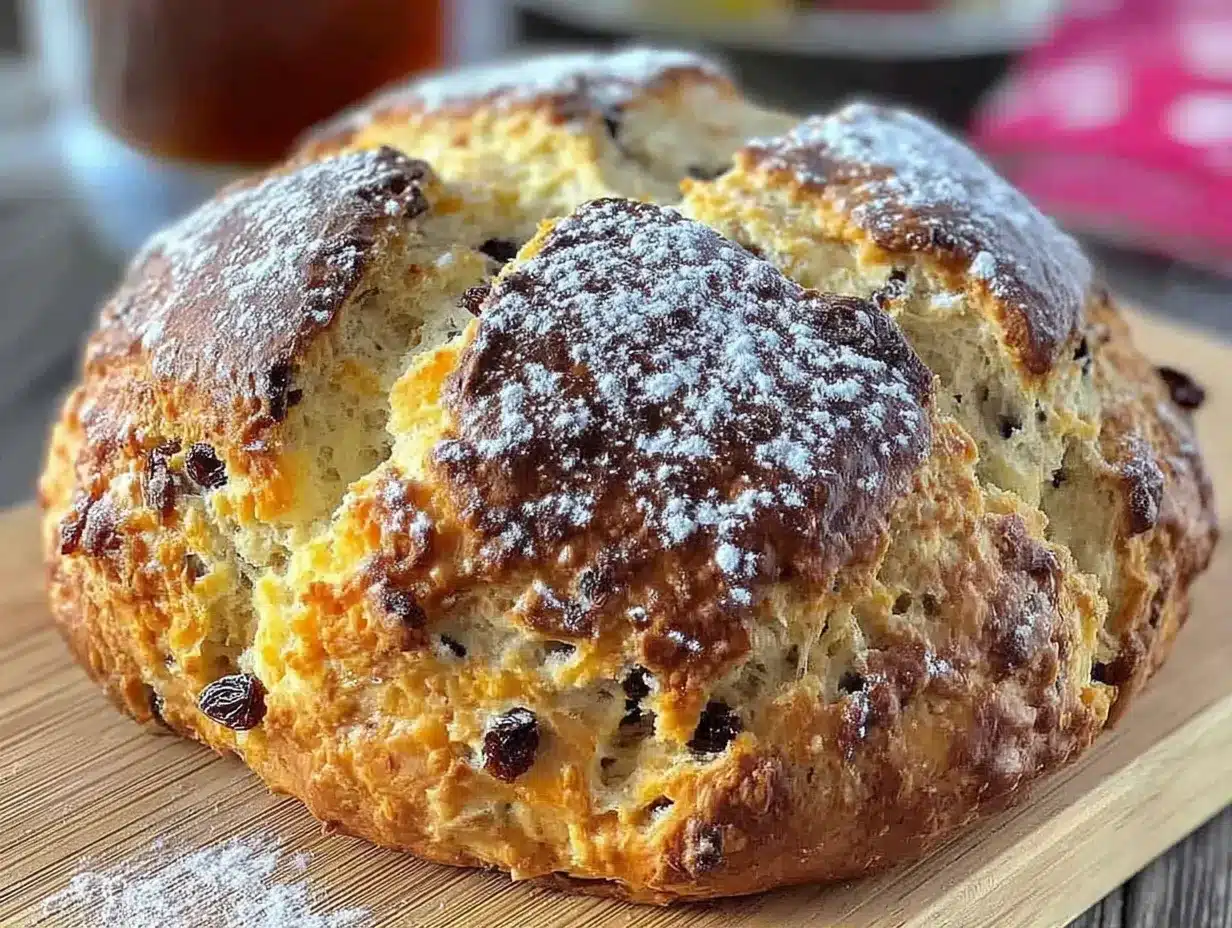
- Unbelievably Delicious: The texture is where this bread shines. The crust is crisp and golden, while the inside stays soft and tender, dotted with juicy raisins and those little bursts of caraway flavor. It’s the kind of bread that makes you close your eyes after the first bite.
What makes this version different from the rest? It’s all about the balance. I tested this recipe a dozen times to get the ratio of whole wheat to all-purpose flour just right—enough whole grain for that nutty, wholesome flavor, but not so much that the bread turns into a brick. The caraway is present but not overwhelming, and the raisins add just enough sweetness to keep you coming back. It’s comfort food reimagined: healthier, faster, but with the same soul-soothing satisfaction.
What Ingredients You Will Need
This recipe uses simple, wholesome ingredients to deliver bold flavor and satisfying texture without the fuss. Most of these are pantry staples, which makes this bread perfect for spontaneous baking sessions.
- Whole Wheat Flour: 2 cups (240g) – I prefer King Arthur Flour for its consistent protein content. Whole wheat adds a lovely nutty flavor and keeps this bread on the healthier side. Look for white whole wheat if you want a milder taste.
- All-Purpose Flour: 1 cup (120g) – This balances the whole wheat and keeps the bread tender. Don’t skip it—using only whole wheat will give you a very dense loaf.
- Baking Soda: 1 teaspoon – The magic leavener here. Make sure it’s fresh; old baking soda won’t give you the rise you need. (Pro tip: test it by dropping a pinch into vinegar—if it fizzes vigorously, you’re good.)
- Salt: 1 teaspoon – Use fine sea salt. It enhances all the flavors and balances the sweetness of the raisins.
- Caraway Seeds: 1½ tablespoons – This is the star of the show for many people. I know, I know. But trust the process. Toasting them lightly in a dry pan for 30 seconds before adding them to the dough releases their essential oils and makes them more aromatic. (adds that distinctive warm, anise-like flavor)
- Raisins: ¾ cup (120g) – I use Thompson seedless raisins, but golden raisins work beautifully too. If your raisins are a bit dry, soak them in hot water for 10 minutes, then drain and pat dry before using. This plumps them up and keeps them from stealing moisture from the dough.
- Buttermilk: 1¾ cups (420ml) – This is non-negotiable for authentic soda bread. The acidity reacts with the baking soda to create lift, and it gives the bread that signature tangy flavor. If you don’t have buttermilk, you can make a quick substitute: add 1 tablespoon of lemon juice or white vinegar to a measuring cup, then fill with milk to the 1¾ cup line. Let it sit for 5 minutes until it curdles.
- Unsalted Butter: 2 tablespoons (28g), melted – This is optional but highly recommended. Brushing it on top after baking gives the crust a beautiful sheen and a hint of richness. (adds a golden, glossy finish)
Equipment Needed
You don’t need much for this recipe, which is one of the reasons I love it. Here’s what you’ll need:
- Large Mixing Bowl: Any big bowl will do. I use a ceramic one because it doesn’t slide around on the counter.
- Whisk or Fork: For mixing the dry ingredients together.
- Wooden Spoon or Rubber Spatula: For stirring the dough. A wooden spoon feels more rustic and authentic, honestly.
- Bench Scraper or Sharp Knife: For scoring the traditional cross on top of the loaf before baking. This isn’t just decorative—it helps the bread bake evenly and, according to Irish folklore, lets the fairies out.
- Baking Sheet: Line it with parchment paper for easy cleanup. A cast iron skillet also works beautifully if you want a thicker crust.
- Pastry Brush: For brushing the melted butter on top after baking. If you don’t have one, just use a paper towel.
- Cooling Rack: Essential for letting the bread cool properly. If you let it cool on the baking sheet, the bottom can get soggy.
The only specialized tool here is maybe the bench scraper, but a regular knife works just fine. I’ve made this bread in a tiny apartment kitchen with a plastic bowl and a fork, and it turned out great. Don’t overthink the equipment.
Preparation Method
Preheat your oven to 425°F (220°C). Position a rack in the center of the oven. Line a baking sheet with parchment paper.
-
Mix the dry ingredients. In your large mixing bowl, whisk together the whole wheat flour, all-purpose flour, baking soda, and salt. Make sure everything is evenly distributed. I like to use a whisk for this because it aerates the flour a bit, which helps with a lighter texture. (Takes 2 minutes)
-
Add the caraway and raisins. Toss the caraway seeds and raisins into the flour mixture. Use your hands or a spoon to coat them in the flour. This step is important—it prevents the raisins from sinking to the bottom of the loaf while baking. Make sure every raisin is separated and lightly floured. (Takes 1 minute)
-
Make a well and add the buttermilk. Create a deep well in the center of the flour mixture. Pour in the buttermilk all at once. Using a wooden spoon or your hands, stir in a circular motion, gradually incorporating the flour from the sides into the liquid. The dough will look shaggy and messy—that’s exactly what you want. Don’t overmix. Stop as soon as the flour is mostly incorporated. There should still be some dry patches. (Takes 1-2 minutes)
-
Shape the dough. Lightly flour your hands and turn the dough out onto a lightly floured surface. Gently bring the dough together into a round ball. Do not knead it. I repeat—do not knead it. Soda bread relies on the chemical reaction between the buttermilk and baking soda for its rise. Kneading will deflate those precious gas bubbles and give you a tough, dense loaf. Just pat it gently into a round disc about 6 inches wide and 2 inches tall. (Takes 1 minute)
-
Score the top. Place the dough on your prepared baking sheet. Using a sharp knife or bench scraper, cut a deep cross into the top of the loaf, going about ¾ of the way down. The cuts should extend almost to the edges. This isn’t just for looks—it helps the bread bake evenly by allowing heat to penetrate the center. It also creates those lovely crusty quadrants that are perfect for pulling apart. (Takes 30 seconds)
-
Bake. Place the baking sheet in the preheated oven and bake for 35-40 minutes. The bread is done when the crust is deep golden brown and the loaf sounds hollow when you tap the bottom. If you have an instant-read thermometer, the internal temperature should be around 190°F (88°C). (Takes 35-40 minutes)
-
Cool and butter. Transfer the bread to a cooling rack. While it’s still warm, brush the top with melted butter. This step is optional but highly recommended—it gives the crust a beautiful sheen and a subtle richness. Let the bread cool for at least 15-20 minutes before slicing. I know it’s tempting to cut into it immediately, but slicing too early can make the inside gummy. Patience, my friend. (Takes 20 minutes)
My personal tip: I always set a timer for 10 minutes and then rotate the baking sheet for even browning. My oven has a hot spot in the back, and this simple step saved me from many lopsided loaves.
Cooking Tips & Techniques
Let me save you from the mistakes I made along the way.
Don’t overmix the dough. I cannot stress this enough. The first time I made soda bread, I treated it like regular bread dough and kneaded it for a solid five minutes. The result was a hockey puck. Soda bread is a quick bread—it relies on a gentle hand. Mix just until the ingredients come together, and handle the dough as little as possible. The shaggier the dough looks, the better the texture will be.
Check your baking soda’s freshness. I once used an old box of baking soda that had been sitting in my pantry for who knows how long. The bread came out flat and dense, and I couldn’t figure out why. Now I always do the vinegar test before I start. A little fizz tells you the baking soda is still active and ready to do its job.
Toast the caraway seeds. This is a game-changer. I learned this from Margaret herself. Toasting the seeds in a dry pan over medium heat for about 30 seconds—until they become fragrant—releases their essential oils and mellows out that sharp, medicinal edge. It makes the caraway taste warm and nutty rather than overpowering. I do this while the oven is preheating.
Use cold buttermilk. Cold buttermilk helps control the reaction with the baking soda, giving you a better rise. If your buttermilk is room temperature, the reaction can happen too quickly, and you’ll lose some of that lift. I keep my buttermilk in the fridge until the moment I’m ready to add it.
Let it cool properly. I know the smell of warm bread is intoxicating. But slicing into it too soon will give you a gummy, sticky interior. The bread continues to cook from residual heat as it cools, and the starches need time to set. I usually let it cool for at least 20 minutes, and it’s always worth the wait.
Variations & Adaptations
One of the best things about this wholesome Irish soda bread is how adaptable it is. Here are some variations I’ve tried and loved:
Gluten-Free Version: Substitute the whole wheat and all-purpose flours with a good gluten-free all-purpose blend that contains xanthan gum. I’ve had success with Bob’s Red Mill 1-to-1 Baking Flour. Add an extra tablespoon of buttermilk since gluten-free flours tend to absorb more liquid. The texture will be a bit more crumbly, but the flavor is still fantastic.
Vegan Adaptation: Replace the buttermilk with 1¾ cups of unsweetened almond milk or oat milk mixed with 1 tablespoon of apple cider vinegar. Let it sit for 5 minutes to curdle. Skip the butter wash on top, or use a vegan butter alternative. The bread will be slightly less tender but still delicious.
Savory Twist: Omit the raisins and caraway seeds, and add ½ cup of grated sharp cheddar cheese, 2 tablespoons of chopped fresh rosemary, and ¼ cup of chopped scallions. This version is incredible served alongside a bowl of hearty soup. I made this for St. Patrick’s Day last year, and it was gone in minutes.
Dried Fruit Swap: Not a fan of raisins? Try dried cranberries, chopped dried apricots, or chopped dates. Each brings a different sweetness level. Dried cherries are also lovely if you can find them. Just make sure to soak any very dry fruit before adding it to the dough.
Spiced Version: Add 1 teaspoon of ground cinnamon and ½ teaspoon of ground cardamom to the flour mixture. This pairs beautifully with the raisins and gives the bread a cozy, holiday-like warmth. I make this version in the fall, and it’s perfect with a cup of tea.
Serving & Storage Suggestions
This bread is at its absolute best on the day it’s made, served warm with a generous pat of salted butter. The contrast between the crisp crust and the soft, tender interior, with the butter melting into every nook and cranny—it’s pure magic.
Serving Ideas:
- For breakfast: Toast a slice and top with butter and a drizzle of honey or a spoonful of your favorite jam. It’s also wonderful with a soft-boiled egg.
- For lunch: Serve alongside a bowl of hearty soup or stew. The bread is perfect for sopping up every last drop. I love it with a simple tomato basil soup or a rich beef stew.
- For an afternoon snack: Enjoy a slice with a cup of strong black tea or a latte. The sweetness from the raisins makes it feel like a treat without being overly indulgent.
- For a cheese board: Cut the bread into thin slices and serve with aged cheddar, soft goat cheese, or a creamy brie. The caraway and raisins complement the cheese beautifully.
Storage: Store leftover bread wrapped tightly in a clean kitchen towel or in a paper bag at room temperature for up to 2 days. Do not store it in plastic—the moisture will make the crust soft and the bread can get moldy quickly. If your kitchen is humid, I recommend storing it in a bread box.
Freezing: This bread freezes beautifully. Wrap the completely cooled loaf tightly in plastic wrap, then in a layer of aluminum foil. Freeze for up to 3 months. To thaw, leave it at room temperature for a few hours, then reheat in a 350°F (175°C) oven for 10 minutes to refresh the crust.
Reheating: The best way to revive day-old soda bread is to slice it and toast it. A quick pop in the toaster or under the broiler brings back that crisp crust and warms the interior. You can also wrap the whole loaf in foil and warm it in a 350°F (175°C) oven for 10-15 minutes.
Flavor Development: Interestingly, the caraway flavor becomes more pronounced on the second day. If you’re a caraway lover, you might actually prefer the bread a day later. The raisins also continue to plump up slightly as the bread sits, making each bite a little more moist.
Nutritional Information & Benefits
This wholesome Irish soda bread is a great option for health-minded eaters who don’t want to sacrifice flavor. Here’s a rough estimate per slice (based on 8 slices):
- Calories: Approximately 220
- Total Fat: 3g
- Saturated Fat: 1.5g
- Carbohydrates: 42g
- Fiber: 4g
- Sugar: 10g (mostly from raisins)
- Protein: 7g
- Sodium: 320mg
Health Benefits: Using whole wheat flour boosts the fiber content, which supports digestive health and helps keep you feeling full longer. Raisins provide natural sweetness along with iron, potassium, and antioxidants. Caraway seeds have been traditionally used to aid digestion—they contain compounds that can help reduce bloating and gas. The buttermilk adds calcium and protein while keeping the bread tender without needing a lot of fat.
Dietary Considerations: This recipe is vegetarian. For a vegan version, see the variations section. It is not gluten-free in its original form, but the gluten-free adaptation works well. The bread is relatively low in added sugar—the sweetness comes almost entirely from the raisins.
Allergen Note: Contains wheat (gluten) and dairy (buttermilk).
From my personal wellness perspective, I love that this bread feels like a treat but is made with real, whole ingredients. It’s the kind of food that nourishes both body and soul—satisfying without being heavy, wholesome without being boring.
Conclusion
This wholesome Irish soda bread with raisins and caraway has become a staple in my kitchen for good reason. It’s quick, forgiving, and delivers that warm, rustic comfort that only homemade bread can provide. Whether you’re a lifelong fan of caraway or a skeptic like I was, I think this loaf will surprise you. The combination of sweet raisins and earthy caraway, wrapped in a tender, whole wheat crumb with a crisp, golden crust—it’s simple perfection.
I encourage you to make this bread your own. Play with the add-ins, try different flours, or experiment with the spices. That’s the beauty of soda bread—it’s endlessly adaptable and always satisfying. And honestly, there’s something so grounding about making bread with your hands, even if it only takes a few minutes. It connects you to a tradition that goes back generations, and that feels pretty special.
I’d love to hear how this turns out for you! Did you try any variations? Did you convert any caraway skeptics? Drop a comment below and share your experience. And if you’re looking for more wholesome, no-fuss baking recipes, don’t forget to browse around—there’s plenty more where this came from. Happy baking, my friend!
Frequently Asked Questions
Can I use all whole wheat flour instead of a mix?
You can, but the bread will be much denser and drier. The all-purpose flour helps keep the texture tender. If you want to go fully whole wheat, I recommend adding an extra 2-3 tablespoons of buttermilk to compensate for the extra absorption.
Why did my soda bread turn out dense and heavy?
The most common reason is overmixing or kneading the dough. Soda bread needs a light touch—mix just until the ingredients come together. Another culprit could be old baking soda. Make sure yours is fresh and active.
Can I make this without caraway seeds?
Absolutely. If caraway isn’t your thing, you can simply leave it out. The bread will still be delicious with just the raisins. You could also substitute with fennel seeds for a milder, slightly sweet anise flavor.
How do I know when the bread is fully baked?
The loaf should be deep golden brown on top and sound hollow when you tap the bottom. If you have an instant-read thermometer, the internal temperature should read around 190°F (88°C). If the top is browning too quickly but the center isn’t done, tent the loaf loosely with foil for the last 10 minutes of baking.
Can I double this recipe?
Yes, but I recommend making two separate loaves rather than one giant one. A larger loaf will need significantly more baking time and may not cook evenly. Two smaller loaves are also easier to share and freeze.
Pin This Recipe!
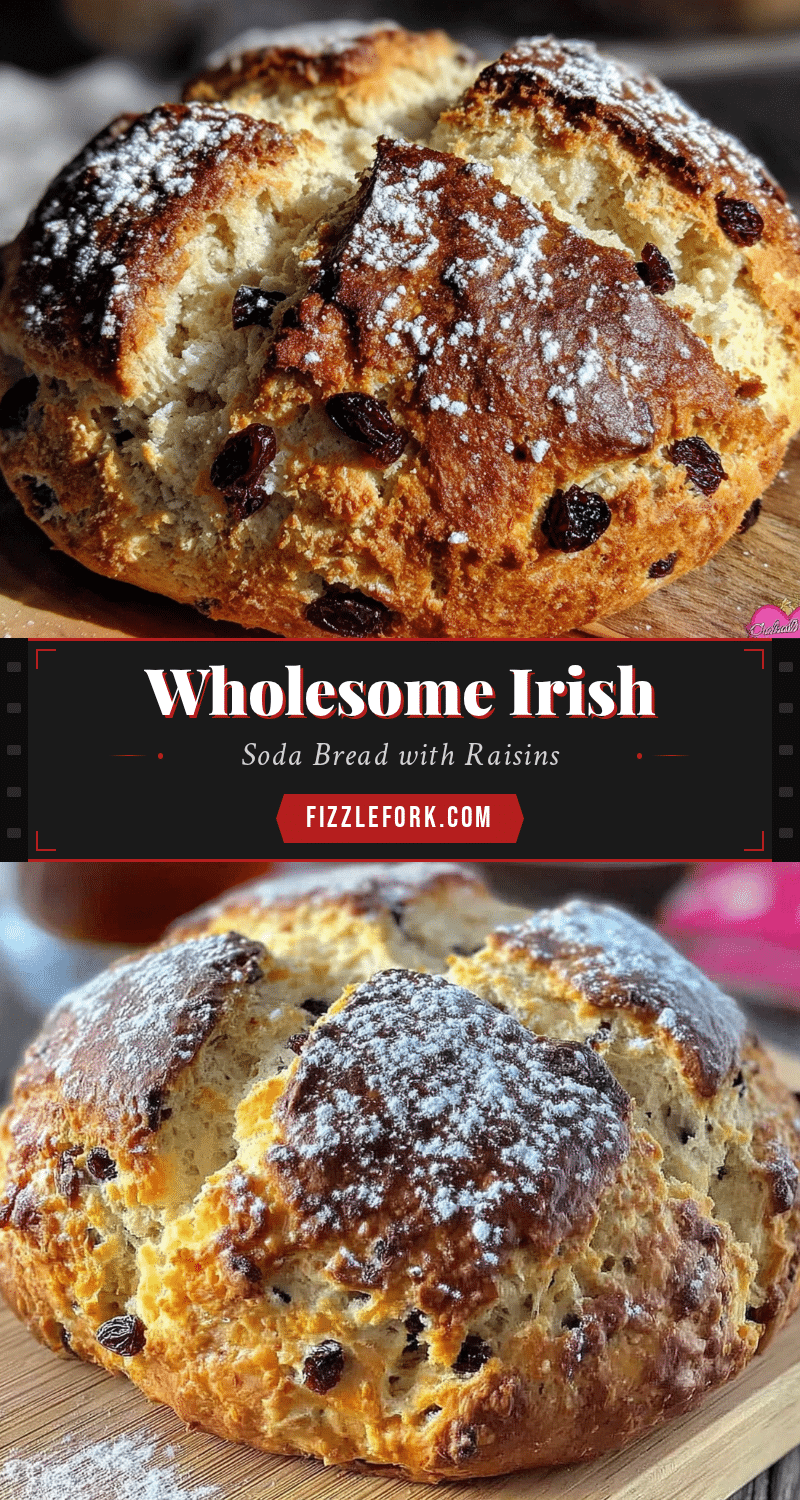
Wholesome Irish Soda Bread with Raisins & Caraway

This tender, slightly sweet soda bread features plump raisins and warm caraway seeds, all made with whole wheat flour for a wholesome twist. It comes together in under an hour with no yeast, no kneading, and no fuss.
- Prep Time: 15 minutes
- Cook Time: 35-40 minutes
- Total Time: 50-55 minutes
- Yield: 8 servings 1x
- Category: Bread
- Cuisine: Irish
Ingredients
- 2 cups (240g) whole wheat flour
- 1 cup (120g) all-purpose flour
- 1 teaspoon baking soda
- 1 teaspoon fine sea salt
- 1½ tablespoons caraway seeds
- ¾ cup (120g) raisins
- 1¾ cups (420ml) buttermilk
- 2 tablespoons (28g) unsalted butter, melted (optional, for brushing)
Instructions
- Preheat oven to 425°F (220°C). Position a rack in the center. Line a baking sheet with parchment paper.
- In a large mixing bowl, whisk together whole wheat flour, all-purpose flour, baking soda, and salt.
- Add caraway seeds and raisins to the flour mixture. Toss to coat the raisins in flour, ensuring they are separated.
- Make a deep well in the center of the flour mixture. Pour in the buttermilk all at once. Using a wooden spoon or your hands, stir in a circular motion until the flour is mostly incorporated. The dough will look shaggy. Do not overmix.
- Lightly flour your hands and turn the dough out onto a lightly floured surface. Gently bring the dough together into a round ball. Do not knead. Pat into a round disc about 6 inches wide and 2 inches tall.
- Place the dough on the prepared baking sheet. Using a sharp knife or bench scraper, cut a deep cross into the top, going about ¾ of the way down and extending almost to the edges.
- Bake for 35-40 minutes, until the crust is deep golden brown and the loaf sounds hollow when tapped on the bottom. Internal temperature should be around 190°F (88°C).
- Transfer the bread to a cooling rack. While still warm, brush the top with melted butter (optional). Let cool for at least 15-20 minutes before slicing.
Notes
Do not overmix or knead the dough; soda bread relies on a light touch. Check baking soda freshness by dropping a pinch into vinegar—it should fizz vigorously. Toast caraway seeds in a dry pan for 30 seconds to enhance flavor. Use cold buttermilk for better rise. Let bread cool at least 20 minutes before slicing to avoid a gummy interior.
Nutrition
- Serving Size: 1 slice
- Calories: 220
- Sugar: 10
- Sodium: 320
- Fat: 3
- Saturated Fat: 1.5
- Carbohydrates: 42
- Fiber: 4
- Protein: 7
Keywords: Irish soda bread, whole wheat soda bread, raisin caraway bread, quick bread, no yeast bread, rustic bread