I swore I hated gingerbread cookies for almost a decade. The whole decade of my twenties, actually. Dry, crunchy little things that snapped in half and tasted more like dusty cinnamon than anything resembling joy. I’d avoid the cookie platters at holiday parties, politely murmuring “no thank you” while eyeing the chocolate chip options with envy. Then last December, my sister-in-law handed me a container and said, “Just try one. I made them for myself, so no pressure.” I took a bite in her kitchen—standing over the sink, trying to be casual—and honestly, I almost dropped the thing. It was soft. Pillowy, even. The molasses hit first, warm and deep, and then the ginger came through like a quiet surprise. I ate three before she said anything. “Thought you hated gingerbread,” she said, not even looking up from her coffee. I had nothing. I mean, I had a cookie in each hand and crumbs on my shirt. That was the moment I realized I didn’t hate gingerbread—I just hated the wrong version of it. And let me tell you, once you’ve had these soft, molasses-rich cookies, there’s really no going back.
Why You’ll Love This Recipe
These aren’t your average gingerbread cookies. They’re the kind that stay soft for days, the kind that make you close your eyes after the first bite. I’ve tested this recipe at least seven times—yes, seven—to get the texture just right. Not too cakey, not too flat. Just that perfect, bakery-style softness that feels indulgent but doesn’t leave you sluggish.
- Quick & Easy: From mixing bowl to cooling rack in under 30 minutes. Perfect for those “I need cookies now” moments.
- Simple Ingredients: You probably already have flour, butter, sugar, and spices. The molasses is the star, and it’s easy to find at any grocery store.
- Perfect for the Holidays: These cookies are a staple for cookie swaps, cozy nights by the fire, or just because it’s Tuesday.
- Crowd-Pleaser: I’ve brought these to three different gatherings this year. Not a single crumb left. Kids love them. Adults hoard them.
- Unbelievably Delicious: The molasses gives this deep, almost caramel-like richness, while the ginger and cinnamon create that classic warm spice profile. It’s comfort food, reimagined.
What makes this recipe different? It’s the technique. Most recipes overbake these cookies, turning them into rocks. I pull them out when they still look slightly underdone in the center—that’s the secret to keeping them soft for days. Plus, I use a touch of brown sugar alongside the molasses for extra moisture and a hint of caramel flavor. This isn’t just another gingerbread cookie. It’s the one you’ll keep coming back to.
What Ingredients You Will Need
This recipe uses simple, wholesome ingredients to deliver bold flavor and satisfying texture without the fuss. Most of these are pantry staples, so you’re probably already halfway there.
- Unsalted butter, softened (1/2 cup / 113g) – I always use unsalted to control the salt level. Let it sit out for about 30 minutes before starting.
- Brown sugar, packed (1/2 cup / 100g) – Light or dark works, but dark brown sugar adds a deeper molasses note. I prefer dark for this recipe.
- Molasses (1/3 cup / 110ml) – This is non-negotiable. Use unsulphured molasses, like Grandma’s or Brer Rabbit. Blackstrap molasses is too bitter here—save that for savory dishes.
- Large egg (1, room temperature) – Cold eggs can seize the butter mixture. Pop it in warm water for 5 minutes if you forgot to take it out.
- All-purpose flour (2 cups / 240g) – Spoon and level it. Scooping directly from the bag packs in too much flour and makes dry cookies.
- Baking soda (1 teaspoon) – This gives the cookies their lift and soft texture.
- Ground ginger (1 1/2 teaspoons) – Freshly opened jars have the best punch. If yours has been sitting for a year, replace it.
- Ground cinnamon (1 teaspoon) – Adds warmth and sweetness.
- Ground cloves (1/4 teaspoon) – Just a pinch. Cloves are potent and can overwhelm the other spices quickly.
- Salt (1/4 teaspoon) – Balances the sweetness and enhances the molasses flavor.
- Granulated sugar (for rolling, about 1/4 cup / 50g) – This gives the cookies that sparkly, crackly top. Use coarse sugar if you have it for extra crunch.
Ingredient Tips: For the best texture, use a good-quality molasses. I’ve tested this with store brands and premium ones—the difference is noticeable. Premium molasses gives a smoother, richer flavor. Also, make sure your butter is truly softened, not melted. Melted butter will spread the cookies too thin.
Equipment Needed
- Large mixing bowl – Any bowl works, but a wide one makes mixing easier.
- Electric mixer (hand or stand) – You can mix by hand, but a mixer makes creaming the butter and sugar much faster. I’ve done both. Hand mixing works, but your arm will thank you for the mixer.
- Measuring cups and spoons – Accurate measurements matter here. Use dry measuring cups for dry ingredients and liquid measuring cups for molasses.
- Baking sheet (2, if you have them) – Lining with parchment paper prevents sticking and makes cleanup a breeze. Silicone mats work great too.
- Cooling rack – Essential for getting those perfectly soft centers. If you let them cool on the hot pan, they’ll keep cooking and get dry.
- Small bowl – For rolling the cookies in sugar. A shallow dish works best.
- Cookie scoop (optional) – I use a 1.5-tablespoon scoop for even-sized cookies. A spoon works fine, but the scoop saves time.
Budget-Friendly Tip: If you don’t have a mixer, a wooden spoon and some elbow grease will do the job. Just cream the butter and sugar until light and fluffy—about 3 minutes of vigorous stirring.
Preparation Method
Preheat your oven to 350°F (175°C). Line two baking sheets with parchment paper. This step is not optional—trust me, I’ve scraped cookies off unlined pans before, and it’s not fun.
- Cream the butter and brown sugar. In a large mixing bowl, beat the softened butter and brown sugar together until light and fluffy, about 2 to 3 minutes. The mixture should look pale and slightly increased in volume. Scrape down the sides of the bowl halfway through.
- Add the molasses and egg. Pour in the molasses and crack in the egg. Beat on medium speed until fully combined, about 1 minute. The mixture will look a little separated at first—that’s normal. Keep going until it comes together into a smooth, dark batter.
- Whisk the dry ingredients. In a separate bowl, whisk together the flour, baking soda, ginger, cinnamon, cloves, and salt. Whisking aerates the flour and distributes the spices evenly. No one wants a pocket of pure cloves in one cookie.
- Combine wet and dry. Gradually add the dry ingredients to the wet mixture, mixing on low speed or folding with a spatula. Stop as soon as the flour disappears. Overmixing develops gluten and makes tough cookies. The dough will be soft and slightly sticky—that’s perfect.
- Chill the dough (optional but recommended). If your kitchen is warm or the dough feels too sticky to handle, pop it in the fridge for 15 minutes. This makes rolling easier and prevents excessive spreading. I usually skip this step in winter but always do it in summer.
- Shape the cookies. Scoop out rounded tablespoons of dough (about 1.5 tablespoons each) and roll them into balls between your palms. The dough should be smooth and slightly tacky. If it sticks to your hands too much, lightly wet your fingers.
- Roll in sugar. Drop each dough ball into a small bowl of granulated sugar. Roll it around until fully coated. Place the sugar-coated balls on the prepared baking sheets, spacing them about 2 inches apart—they will spread a little, but not too much.
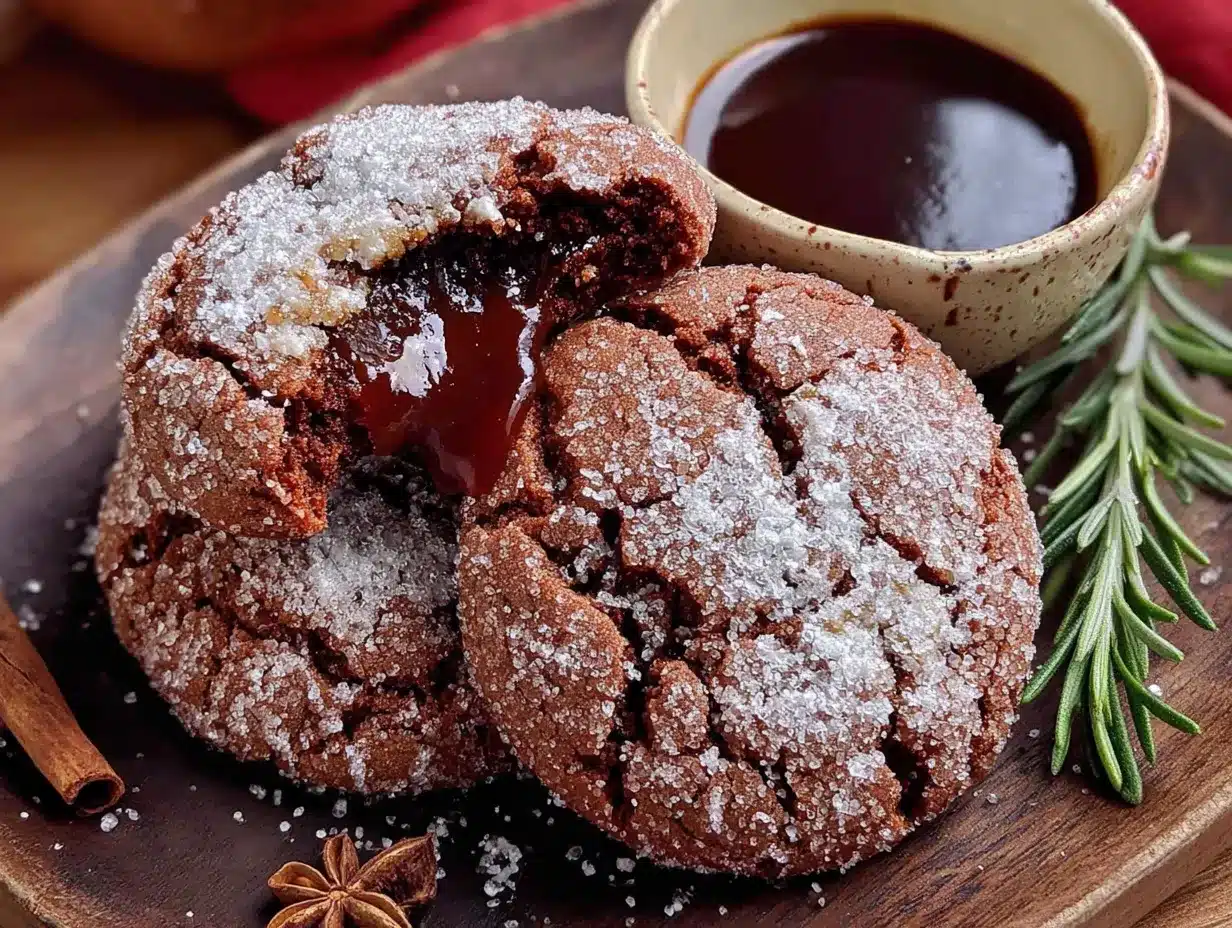
- Bake. Bake for 9 to 11 minutes. The cookies should look puffed and cracked on top, with edges that are just set. The centers will still look slightly soft and underdone—that’s exactly what you want. Overbaking is the #1 mistake with these cookies. I’ve done it myself, and the result is sad, crumbly discs.
- Cool. Let the cookies rest on the baking sheet for 3 minutes. This allows them to set without overbaking. Then transfer them to a wire rack to cool completely. The centers will continue to set as they cool, leaving you with that perfect soft texture.
Sensory Cue: When the cookies are done, your kitchen will smell like a holiday candle—warm ginger, cinnamon, and that deep molasses sweetness. The tops will have a beautiful crackled pattern, and the edges should be just slightly golden. If you press the center gently, it should feel soft but not raw.
Cooking Tips & Techniques
I learned most of these the hard way—by making mistakes and eating the evidence. Here’s what I wish someone had told me.
Don’t overmix the dough. This is the golden rule. Once you add the flour, mix just until it disappears. Overmixing develops gluten, which makes cookies tough and cakey instead of tender and soft. I once mixed for an extra 30 seconds because I was distracted by my phone. Those cookies came out like little hockey pucks. Lesson learned.
Measure molasses correctly. Molasses is sticky and thick. Spray your measuring cup with non-stick spray before pouring, or lightly oil it. The molasses will slide right out, leaving you with an accurate measurement and zero frustration. I keep a dedicated molasses cup with a spout—game changer.
Rotate your baking sheets. Halfway through baking, swap the top sheet to the bottom rack and vice versa. Ovens have hot spots, and this ensures even baking. I forgot to do this once, and half the batch came out darker than the other half. Still edible, but not pretty.
Use room temperature ingredients. Cold butter doesn’t cream properly, and cold egg can seize the mixture. Set everything out 30 minutes before you start. If you’re impatient (like me), cut the butter into small cubes—they soften faster.
Let them cool on the pan. Those 3 minutes on the hot baking sheet are crucial. The residual heat finishes baking the centers without drying them out. If you move them too soon, they’ll fall apart. If you leave them too long, they’ll overbake. Set a timer if you need to—I do.
Timing Strategy: While the first batch bakes, shape the second batch. This keeps the process moving and prevents the dough from warming up too much. If the dough gets too soft, pop it back in the fridge for 5 minutes.
Variations & Adaptations
One of the best things about this recipe is how flexible it is. I’ve tried several variations over the years, and they all turned out delicious in their own way.
- Gluten-Free Version: Swap the all-purpose flour with a 1:1 gluten-free baking blend. I’ve used Bob’s Red Mill and King Arthur with great results. The texture is slightly more delicate, so handle the dough gently. Add an extra tablespoon of flour if the dough feels too sticky.
- Vegan Adaptation: Replace the butter with vegan butter (I like Earth Balance) and the egg with a flax egg (1 tablespoon ground flaxseed mixed with 3 tablespoons water, let sit for 5 minutes). The cookies come out slightly less tender but still delicious. Use coconut sugar for a refined-sugar-free option.
- Spice It Up: Add 1/4 teaspoon of black pepper or a pinch of cayenne for a subtle heat that pairs beautifully with the molasses. I tried this on a whim last Christmas, and my brother-in-law ate half the batch before anyone noticed.
- Citrus Twist: Add 1 teaspoon of orange zest to the dough. The bright citrus cuts through the deep molasses flavor and adds a fresh note. This is my personal favorite variation—it feels like a secret upgrade.
- Iced Version: Whisk together 1 cup powdered sugar, 2 tablespoons milk, and 1/2 teaspoon vanilla extract for a simple glaze. Drizzle over cooled cookies. It adds a lovely sweetness and makes them look bakery-worthy.
Dietary Note: For a lower-sugar option, reduce the brown sugar to 1/3 cup. The cookies will be slightly less sweet and a bit more molasses-forward. I’ve done this for health-minded friends, and they still disappear just as fast.
Serving & Storage Suggestions
These cookies are best served at room temperature, but I won’t judge if you sneak one while it’s still warm. The centers are extra soft and the sugar coating gives a slight crunch—pure magic.
Serving Ideas: Pair them with a glass of cold milk, a hot cup of chai, or a mug of spiced cider. For a dessert board, arrange them alongside fresh apple slices, sharp cheddar cheese, and a drizzle of honey. The sweet-spicy cookies balance beautifully with tangy cheese. I did this for a holiday party last year, and people kept asking for the “cookie cheese thing.”
Storage Instructions: Store the cookies in an airtight container at room temperature for up to 5 days. To keep them extra soft, add a slice of bread to the container. The bread absorbs excess air and releases moisture, keeping the cookies pillowy. Change the bread slice every other day. I learned this trick from my grandmother, and it works like a charm.
Freezing: These cookies freeze beautifully. Place them in a single layer in a freezer-safe bag or container, separating layers with parchment paper. Freeze for up to 3 months. To thaw, leave them at room temperature for about 30 minutes. You can also freeze the dough balls—just roll them in sugar before freezing, then bake from frozen, adding 2 minutes to the bake time.
Reheating: Pop a cookie in the microwave for 10 seconds for that just-baked warmth. Or place them on a baking sheet in a 300°F (150°C) oven for 5 minutes. The texture comes back beautifully.
Flavor Development: Honestly, these cookies taste even better the next day. The spices meld together overnight, and the molasses flavor deepens. If you can resist eating them all on day one, you’ll be rewarded on day two.
Nutritional Information & Benefits
Here’s the approximate nutritional breakdown per cookie (based on 24 cookies):
- Calories: 120
- Fat: 4g
- Carbohydrates: 19g
- Fiber: 0.5g
- Sugar: 11g
- Protein: 1.5g
- Sodium: 85mg
Health Benefits: Molasses is a surprising source of iron, calcium, and magnesium. One tablespoon provides about 5% of your daily iron needs. Ginger is known for its anti-inflammatory properties and can help with digestion. Cinnamon may help stabilize blood sugar levels. So while these are still a treat, they’re not completely empty calories.
Dietary Considerations: This recipe contains gluten and dairy. For a gluten-free version, see the variations section. For a dairy-free version, use vegan butter. The cookies are nut-free, making them safe for school lunches or gatherings with allergy concerns.
My Take: I believe in balance. These cookies are indulgent, but they’re made with real ingredients—butter, molasses, spices—not artificial flavors or preservatives. That counts for something. I feel good about serving them to my family, and I feel even better eating three in one sitting. Moderation is key, but so is joy.
Conclusion
These soft gingerbread cookies with molasses are everything I once thought gingerbread couldn’t be—soft, flavorful, and genuinely addicting. They’re the kind of recipe that changes minds, one bite at a time. Whether you’re a longtime gingerbread lover or a skeptic like I was, I think you’ll find something special here.
I’d love to hear how they turn out for you. Did you try any of the variations? Did you add your own twist? Drop a comment below and let me know. And if you share them on social media, tag me—I want to see those beautiful crackly tops and hear about the happy faces around your table. Until next time, happy baking!
Frequently Asked Questions
Can I use blackstrap molasses instead of regular molasses?
I wouldn’t recommend it. Blackstrap molasses is much more bitter and less sweet than regular unsulphured molasses. It will change the flavor significantly and could make the cookies taste harsh. Stick with unsulphured molasses for the best results. If that’s all you have, reduce the amount to 1/4 cup and add 2 tablespoons of honey to balance the bitterness.
Why did my cookies spread too much?
This usually happens for one of three reasons: the butter was too soft or melted, the dough wasn’t chilled, or the baking soda was old. Make sure your butter is just softened, not greasy. Chill the dough for 15 minutes if your kitchen is warm. And check your baking soda—it should be less than 6 months old. A quick test: drop a pinch into vinegar; if it fizzes vigorously, it’s still good.
Can I make the dough ahead of time?
Absolutely. You can prepare the dough up to 3 days in advance and keep it covered in the refrigerator. Let it sit at room temperature for 10 minutes before shaping, as cold dough is harder to roll. You can also freeze the dough balls for up to 3 months—just roll them in sugar before freezing and bake from frozen, adding 2 minutes to the bake time.
How do I keep the cookies soft for longer?
The bread trick works wonders. Place a slice of sandwich bread in the container with the cookies—the bread absorbs excess air and releases moisture, keeping the cookies soft. Replace the bread every other day. Also, make sure the container is airtight. I use a glass container with a rubber seal, and my cookies stay soft for a full 5 days.
Can I add mix-ins like chocolate chips or nuts?
Yes, and I’ve done both. Add 1/2 cup of semi-sweet chocolate chips or 1/3 cup of finely chopped pecans to the dough after mixing. Chocolate chips add a lovely sweetness that complements the molasses. Nuts add crunch. Just be gentle when folding them in to avoid overmixing. I once made a batch with white chocolate chips and dried cranberries—it was a holiday hit.
Pin This Recipe!
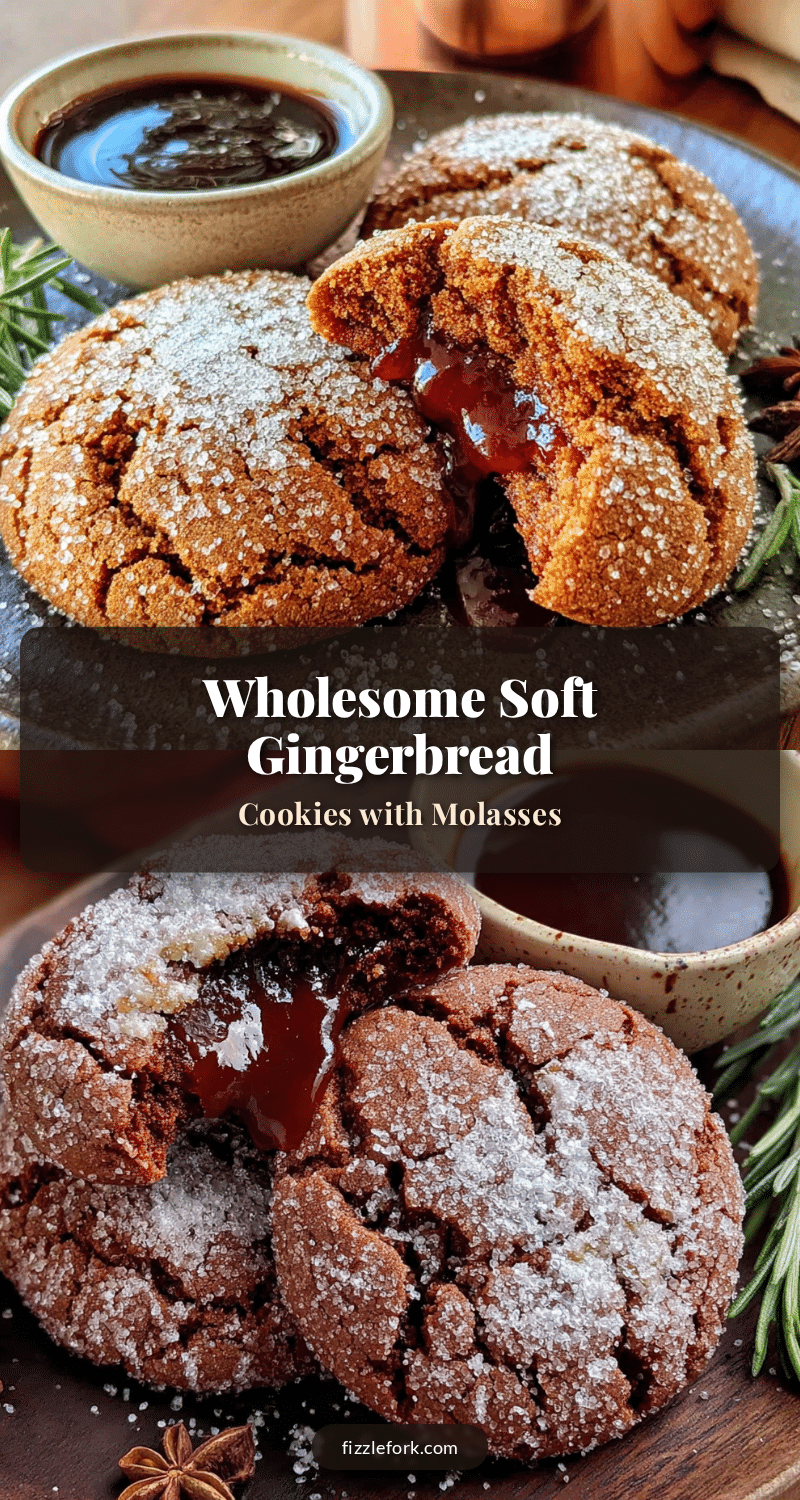
Best Soft Gingerbread Cookies – Easy Molasses Recipe
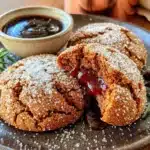
These soft gingerbread cookies are pillowy, molasses-rich, and stay soft for days. They’re quick to make with simple ingredients and are perfect for holiday cookie swaps or cozy nights in.
- Prep Time: 15 minutes
- Cook Time: 10 minutes
- Total Time: 25 minutes
- Yield: 24 servings 1x
- Category: Dessert
- Cuisine: American
Ingredients
- 1/2 cup (113g) unsalted butter, softened
- 1/2 cup (100g) brown sugar, packed
- 1/3 cup (110ml) molasses (unsulphured)
- 1 large egg, room temperature
- 2 cups (240g) all-purpose flour
- 1 teaspoon baking soda
- 1 1/2 teaspoons ground ginger
- 1 teaspoon ground cinnamon
- 1/4 teaspoon ground cloves
- 1/4 teaspoon salt
- 1/4 cup (50g) granulated sugar (for rolling)
Instructions
- Preheat oven to 350°F (175°C). Line two baking sheets with parchment paper.
- In a large mixing bowl, beat softened butter and brown sugar together until light and fluffy, about 2 to 3 minutes. Scrape down the sides halfway through.
- Add molasses and egg; beat on medium speed until fully combined, about 1 minute. The mixture will look separated at first but will come together into a smooth, dark batter.
- In a separate bowl, whisk together flour, baking soda, ginger, cinnamon, cloves, and salt.
- Gradually add dry ingredients to wet mixture, mixing on low speed or folding with a spatula until just combined. Do not overmix. Dough will be soft and slightly sticky.
- If dough is too sticky, chill in the fridge for 15 minutes (optional but recommended).
- Scoop rounded tablespoons of dough (about 1.5 tablespoons each) and roll into balls. Roll each ball in granulated sugar until fully coated.
- Place sugar-coated balls on prepared baking sheets, spacing them about 2 inches apart.
- Bake for 9 to 11 minutes. Cookies should look puffed and cracked on top with edges just set; centers will still look slightly soft.
- Let cookies rest on baking sheet for 3 minutes, then transfer to a wire rack to cool completely.
Notes
For extra soft cookies, add a slice of bread to the storage container. Use unsulphured molasses; blackstrap is too bitter. Do not overbake—centers should look slightly underdone when removed from oven. Cookies taste even better the next day as spices meld.
Nutrition
- Serving Size: 1 cookie
- Calories: 120
- Sugar: 11
- Sodium: 85
- Fat: 4
- Saturated Fat: 2.5
- Carbohydrates: 19
- Fiber: 0.5
- Protein: 1.5
Keywords: soft gingerbread cookies, molasses cookies, easy gingerbread, holiday cookies, soft gingerbread