My husband took one bite, stopped chewing, and just stared at the noodles on his fork like he was trying to figure out if I’d ordered takeout without telling him. That’s how I knew this Easy One-Pot Ramen Noodle Stir Fry was a keeper. I’d thrown it together on a Tuesday night when the fridge was looking sad and my energy for cooking was even lower. Honestly, I was just hoping for edible.
What came out of that single pot was something else entirely. The noodles soaked up all that savory-sweet sauce in a way that instant ramen packets never do, and the vegetables kept just enough crunch to make it feel like a real meal. I didn’t have to boil a separate pot of water, I didn’t have to drain anything, and cleanup was basically just one pan and a spatula. That’s my kind of weeknight magic.
There’s something deeply satisfying about watching a package of humble instant ramen transform into a dinner that tastes like it came from your favorite takeout spot. The secret is in the sauce—a simple mix of soy sauce, sesame oil, and a touch of honey that caramelizes right in the pan. This recipe has become my go-to for those nights when I need dinner on the table fast, but I still want it to feel special. It’s the kind of meal that makes you forget it only took twenty minutes.
Why You’ll Love This Recipe
Let me tell you why this Easy One-Pot Ramen Noodle Stir Fry has earned a permanent spot in my weekly rotation. I’ve tested this recipe more times than I can count, tweaking the sauce ratios and playing with different vegetable combinations until everything clicked. Here’s what makes it stand out:
- Quick & Easy: From start to finish, this dish comes together in under 20 minutes. That’s faster than waiting for delivery, and way more satisfying.
- Simple Ingredients: You probably have most of these ingredients in your pantry right now. No fancy grocery trips or specialty items required.
- Perfect for Busy Weeknights: This is the dinner you make when you’re tired, hungry, and need something good on the table without a lot of effort.
- Crowd-Pleaser: I’ve served this to picky kids, hungry teenagers, and adults who claim they don’t like “instant ramen anymore.” Everyone cleans their plate.
- Unbelievably Delicious: The texture of the noodles is perfect—chewy but not mushy—and the sauce coats every strand with this glossy, savory goodness that’s hard to resist.
What makes this recipe different from the dozens of other ramen stir fry recipes out there? It’s the technique. Instead of boiling the noodles separately and then adding them to the stir fry, you cook them right in the pan with the sauce and vegetables. This lets the noodles absorb all that flavor directly, creating a cohesive dish where every bite tastes intentional. It’s not just another version—it’s the best version I’ve found after years of testing.
This is the kind of meal that makes you close your eyes after the first bite. It’s comfort food reimagined—faster, simpler, but with the same soul-soothing satisfaction of a really good noodle dish. Perfect for those nights when you want to impress yourself without the stress.
What Ingredients You Will Need
This recipe uses simple, everyday ingredients to create something genuinely delicious. The beauty is in the combination, not the complexity.
- Instant ramen noodles (3 packages): Discard the seasoning packets or save them for another use. I prefer the square block-style ramen for this recipe, but any brand works. The noodles need to be the dried, curly kind—not fresh ramen.
- Soy sauce (3 tablespoons): Use low-sodium if you’re watching your salt intake. Tamari or coconut aminos work great for gluten-free options.
- Honey (2 tablespoons): This balances the saltiness and helps create that glossy finish. Maple syrup or brown sugar can substitute in a pinch.
- Sesame oil (1 tablespoon): Toasted sesame oil adds that unmistakable nutty flavor. Don’t skip it—it’s what makes this taste like restaurant-quality stir fry.
- Rice vinegar (1 tablespoon): A little acidity brightens everything up. Apple cider vinegar works as a substitute.
- Garlic (4 cloves, minced): Fresh garlic is non-negotiable here. The pre-minced stuff in jars won’t give you the same punch.
- Fresh ginger (1 tablespoon, grated): This adds warmth and depth. I keep a knob of ginger in my freezer so I always have it on hand.
- Vegetable oil (2 tablespoons): Use a neutral oil with a high smoke point like avocado, canola, or grapeseed oil.
- Mixed vegetables (3 cups): I use a combination of shredded carrots, bell peppers, snap peas, and broccoli florets. Frozen stir fry vegetable blends work perfectly if you’re short on prep time.
- Green onions (4, sliced): For garnish and a fresh, mild onion flavor.
- Sesame seeds (1 tablespoon, optional): For that classic finishing touch.
For the sauce: Whisk the soy sauce, honey, sesame oil, and rice vinegar together in a small bowl before you start cooking. Having it ready makes the process smoother.
I’ve tested this recipe with different noodle brands, and honestly, the cheap store-brand ramen works just as well as the fancy imported stuff. The key is the sauce-to-noodle ratio, which I’ve dialed in so every strand gets coated without the dish becoming soupy.
Equipment Needed
One of the best things about this recipe is how little equipment it requires. Here’s what you’ll need:
- Large skillet or wok (12-inch): A non-stick skillet works best for easy cleanup, but a well-seasoned cast iron skillet or carbon steel wok also works beautifully. The key is having enough surface area so the noodles cook evenly without steaming.
- Wooden spoon or silicone spatula: For stirring and breaking up the ramen blocks as they soften. Metal utensils can scratch non-stick surfaces.
- Cutting board and knife: For prepping your vegetables and mincing garlic and ginger.
- Small bowl: For whisking together the sauce ingredients.
- Measuring spoons: For accuracy, though I’ll admit I often eyeball the soy sauce and honey at this point.
- Box grater or microplane: For grating the ginger. A microplane gives you that fine, pulpy texture that melts right into the sauce.
If you don’t have a wok, don’t worry. A large skillet does the job perfectly. I’ve made this recipe in a cheap non-stick pan from the grocery store and it turned out just as good as when I use my fancy wok. The equipment matters less than the technique.
Preparation Method
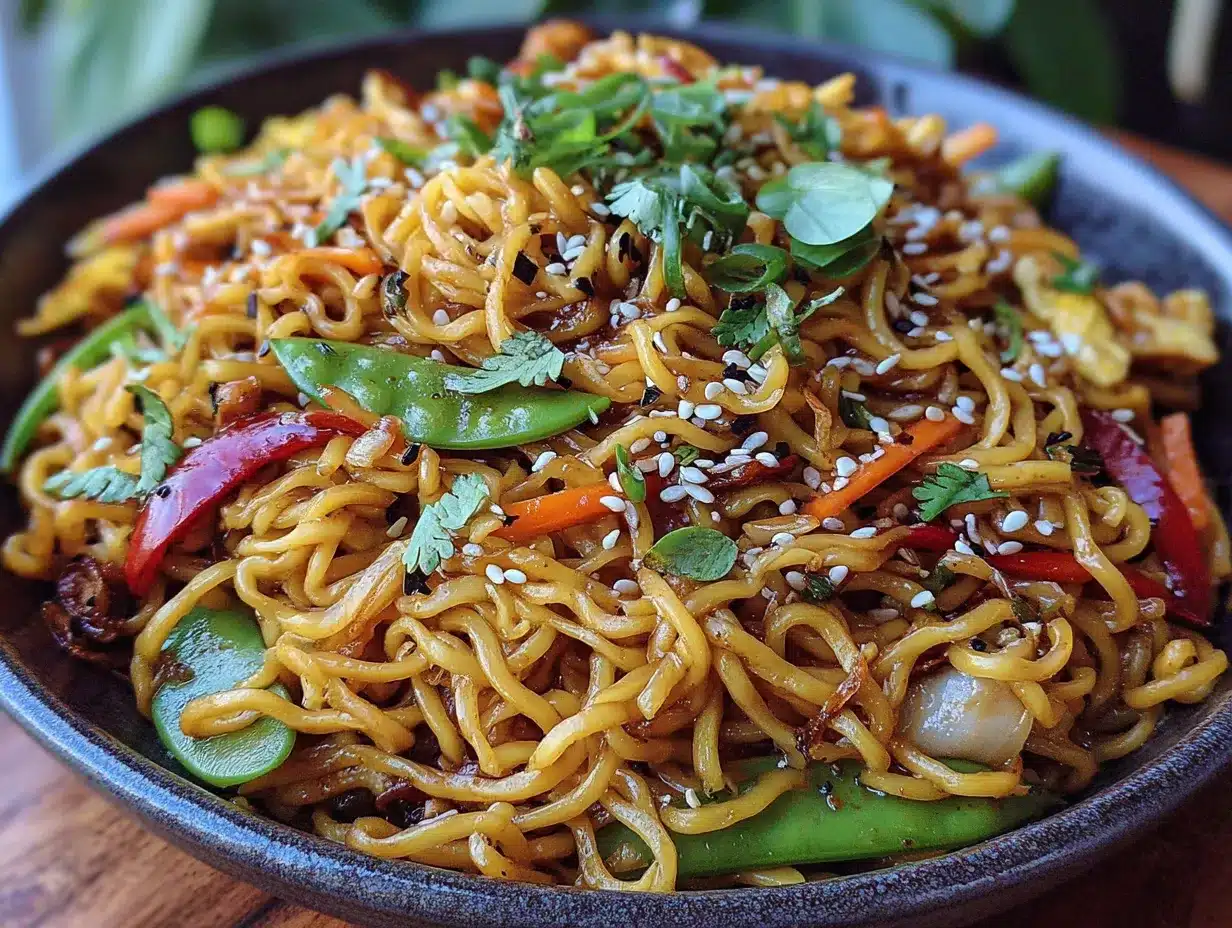
Let me walk you through this step by step. Once you make it the first time, you’ll have it memorized.
- Prep your ingredients first (5 minutes): This dish comes together fast, so you want everything ready to go. Mince your garlic, grate your ginger, slice your green onions, and chop your vegetables into bite-sized pieces. Whisk together the soy sauce, honey, sesame oil, and rice vinegar in a small bowl. Set everything near the stove.
- Heat your pan (1 minute): Place your large skillet or wok over medium-high heat and add the vegetable oil. Let it heat until the oil shimmers—about 30 seconds. You want it hot enough that the vegetables start sizzling immediately when they hit the pan.
- Aromatics first (30 seconds): Add the minced garlic and grated ginger to the hot oil. Stir constantly for about 15-20 seconds until fragrant. Don’t let them burn—burnt garlic turns bitter and will ruin the whole dish.
- Cook the vegetables (3-4 minutes): Add your mixed vegetables to the pan. Spread them in an even layer and let them cook undisturbed for about 1 minute to get some char. Then stir-fry for another 2-3 minutes until they’re crisp-tender. If you’re using frozen vegetables, add them straight from the freezer—no need to thaw first.
- Add the noodles and water (3-4 minutes): Break the ramen blocks into quarters right over the pan and scatter them over the vegetables. Pour in 1 ½ cups of water. The water should come about halfway up the noodles. Cover the pan with a lid and let it cook for 2 minutes. The steam will soften the noodles.
- Pour in the sauce (2 minutes): Remove the lid and pour the prepared sauce over the noodles. Give everything a good stir, breaking up any noodle clumps with your spatula. The noodles will continue to absorb the liquid as they cook.
- Finish and toss (1-2 minutes): Once most of the liquid has been absorbed and the noodles are tender but still have a bit of chew, remove the pan from heat. The sauce should coat the noodles in a glossy, sticky layer. If the noodles look dry, add a splash more water. If they look soupy, let them cook another 30 seconds uncovered.
- Garnish and serve (1 minute): Sprinkle with sliced green onions and sesame seeds. Serve immediately while the noodles are hot and the vegetables still have some crunch.
The total active cooking time is about 10-12 minutes. The whole process, including prep, takes right around 20 minutes. I’ve timed it.
Sensory cues to watch for: When the garlic and ginger hit the hot oil, you should smell them immediately—that’s your cue to add the vegetables. When you pour the sauce over the noodles, it should bubble up almost immediately. The noodles are done when they look glossy and the sauce has reduced to a syrupy consistency that clings to the noodles instead of pooling at the bottom of the pan.
If you find the noodles are still too firm after the liquid is absorbed, add another ¼ cup of water and cook for another minute. Different brands of ramen absorb liquid at different rates, so adjust as needed.
Cooking Tips & Techniques
I’ve made this Easy One-Pot Ramen Noodle Stir Fry more times than I care to admit, and I’ve learned a few things the hard way. Here are my best tips:
Don’t overcook the noodles. This is the most common mistake. The noodles continue to soften even after you remove the pan from heat, so pull them off the stove when they still have a tiny bit of resistance in the center. They’ll finish cooking in the residual heat. Overcooked ramen turns into a mushy, unappealing mess.
Keep the heat high. Stir fry cooking requires high heat to get that slightly charred, wok-hei flavor. Don’t be afraid of your burner. If your pan isn’t hot enough, the vegetables will steam instead of sear, and the sauce won’t reduce properly.
Break the ramen blocks strategically. I break each block into about 4 pieces. Too small and you end up with noodle bits that cook unevenly. Too large and they take longer to soften. Quarter pieces hit the sweet spot.
Prep everything before you start. I learned this lesson after burning garlic while frantically trying to chop a bell pepper. This dish moves fast, and there’s no time to prep once the cooking starts.
Use the right pan size. A 12-inch pan is ideal. If your pan is too small, the noodles will steam rather than stir fry, and you’ll end up with a soggy mess. If you’re doubling the recipe, use two pans or cook in batches.
Taste and adjust. Everyone’s palate is different. After you add the sauce, taste a noodle. Need more salt? Add a splash of soy sauce. Want more sweetness? Drizzle in a little extra honey. This is your dinner—make it taste the way you love it.
Variations & Adaptations
This recipe is incredibly flexible. Here are some ways I’ve adapted it over the years:
Protein-Packed Version: Add cooked chicken, shrimp, or tofu after the aromatics and before the vegetables. Leftover rotisserie chicken works beautifully—just shred it and toss it in with the sauce. I’ve also made this with crispy pan-fried tofu, and it’s fantastic. For a quick protein boost, crack an egg into the pan during the last minute of cooking and scramble it into the noodles.
Spicy Ramen Stir Fry: Add 1-2 tablespoons of sriracha, gochujang, or chili garlic sauce to the sauce mixture. You can also sprinkle red pepper flakes over the finished dish. My husband likes his version so spicy it makes his nose run, and he adds a full tablespoon of gochujang plus a drizzle of chili oil.
Vegetable Variations: Use whatever vegetables you have on hand. Mushrooms, bok choy, cabbage, zucchini, and corn all work well. In the summer, I add fresh corn cut off the cob and it adds this incredible sweetness. In the winter, I use shredded Brussels sprouts and roasted sweet potatoes.
Peanut Sauce Twist: Replace the soy sauce-based sauce with a peanut sauce made from 3 tablespoons peanut butter, 2 tablespoons soy sauce, 1 tablespoon honey, 1 tablespoon rice vinegar, and 1 teaspoon sesame oil. It’s a different dish entirely, but just as delicious.
Gluten-Free Option: Use gluten-free ramen noodles or rice noodles. Substitute tamari or coconut aminos for the soy sauce. Everything else is naturally gluten-free.
Low-Carb Adaptation: Swap the ramen noodles for zucchini noodles or shirataki noodles. The cooking time will be much shorter, so watch carefully.
Serving & Storage Suggestions
This dish is best served hot, straight from the pan. The noodles have the best texture when they’re fresh, and the vegetables maintain their crunch. Here’s how to make the most of it:
Serving temperature: Serve immediately while steaming hot. I like to portion it into bowls and top each with extra green onions and a sprinkle of sesame seeds.
What to serve with it: This stir fry is a complete meal on its own, but it pairs beautifully with a simple cucumber salad or some crispy air fryer miso glazed salmon on the side. For a heartier meal, serve it alongside flavorful honey garlic grilled chicken thighs or savory pan-seared pork chops with creamy dijon mushroom sauce. A cold glass of iced green tea or a crisp lager complements the savory flavors perfectly.
Storage instructions: Store leftovers in an airtight container in the refrigerator for up to 3 days. The noodles will absorb more liquid as they sit, so the texture will be softer the next day. It’s still delicious, just different.
Reheating methods: The best way to reheat is in a hot skillet with a splash of water or soy sauce. Toss over medium-high heat for 2-3 minutes until heated through. You can also microwave it in 30-second bursts, stirring between each, but the texture won’t be as good. I don’t recommend freezing this dish—the noodles become mushy when thawed.
Flavor development: Interestingly, the flavors meld together overnight, and some people prefer the leftovers. The sauce penetrates the noodles more deeply, and the garlic and ginger mellow out. If you’re meal prepping, consider storing the sauce separately and tossing it with freshly cooked noodles and vegetables.
Nutritional Information & Benefits
Here’s the estimated nutritional breakdown for one serving (based on 4 servings per recipe):
| Nutrient | Amount per Serving |
|---|---|
| Calories | 385 |
| Total Fat | 14g |
| Saturated Fat | 3g |
| Carbohydrates | 52g |
| Fiber | 5g |
| Sugar | 12g |
| Protein | 10g |
| Sodium | 890mg |
This dish provides a good amount of fiber from the vegetables, which supports digestive health. The ginger and garlic offer anti-inflammatory properties, and the sesame oil contains healthy fats. If you’re watching your sodium intake, use low-sodium soy sauce and reduce the added salt.
Dietary considerations: This recipe is dairy-free and nut-free as written. For a gluten-free version, use tamari and gluten-free ramen noodles. For a lower-carb option, swap the noodles for zucchini noodles or shirataki noodles. The vegetables provide a range of vitamins and antioxidants, making this a surprisingly nutritious weeknight dinner.
I personally love that this meal feels indulgent but isn’t loaded with heavy cream or excessive oil. It’s the kind of dinner that satisfies a craving without leaving you feeling sluggish.
Conclusion
This Easy One-Pot Ramen Noodle Stir Fry has become my secret weapon for busy weeknights. It’s fast, it’s forgiving, and it turns humble instant ramen into something genuinely special. The sauce is perfectly balanced, the vegetables add color and crunch, and the whole thing comes together in one pan with minimal cleanup.
What I love most about this recipe is how adaptable it is. You can use whatever vegetables are languishing in your fridge, adjust the spice level to your preference, or add protein to make it a heartier meal. It’s a template for good eating, not a rigid set of rules.
I’d love to hear how this turns out for you. Did you add something unexpected? Did your family go back for seconds? Drop a comment below and let me know—I read every single one. And if you loved this recipe, share it with a friend who needs a quick dinner idea. Happy cooking!
Frequently Asked Questions
Can I use the seasoning packet from the ramen?
You can, but I don’t recommend it. The seasoning packets are very high in sodium and often contain MSG and artificial flavors. The homemade sauce in this recipe is much more flavorful and lets you control the salt level. Save the packets for another use or toss them.
What if I don’t have a lid for my pan?
No problem! Use a piece of aluminum foil tightly crimped around the edges, or a baking sheet placed on top. The goal is just to trap steam to help the noodles soften. If you don’t cover the pan at all, add an extra ¼ cup of water and cook the noodles a minute or two longer.
Can I make this recipe vegan?
Absolutely. The recipe as written is already vegan if you substitute the honey with maple syrup or agave nectar. Everything else—soy sauce, sesame oil, vegetables, ramen noodles—is plant-based. Just double-check your ramen noodle ingredients, as some brands use eggs.
Why are my noodles mushy?
This usually happens for one of two reasons: you cooked them too long, or you added too much water. Next time, reduce the water to 1 ¼ cups and pull the noodles off the heat when they still have a slight bite. Remember, they continue cooking in the residual heat even after you remove the pan from the stove.
Can I double this recipe?
Yes, but you’ll need a very large pan or wok, or you’ll need to cook in batches. Crowding the pan causes the ingredients to steam instead of stir fry, which leads to soggy noodles. If you’re cooking for a crowd, I recommend making two separate batches. It only takes 20 minutes per batch, and the results are much better.
Pin This Recipe!
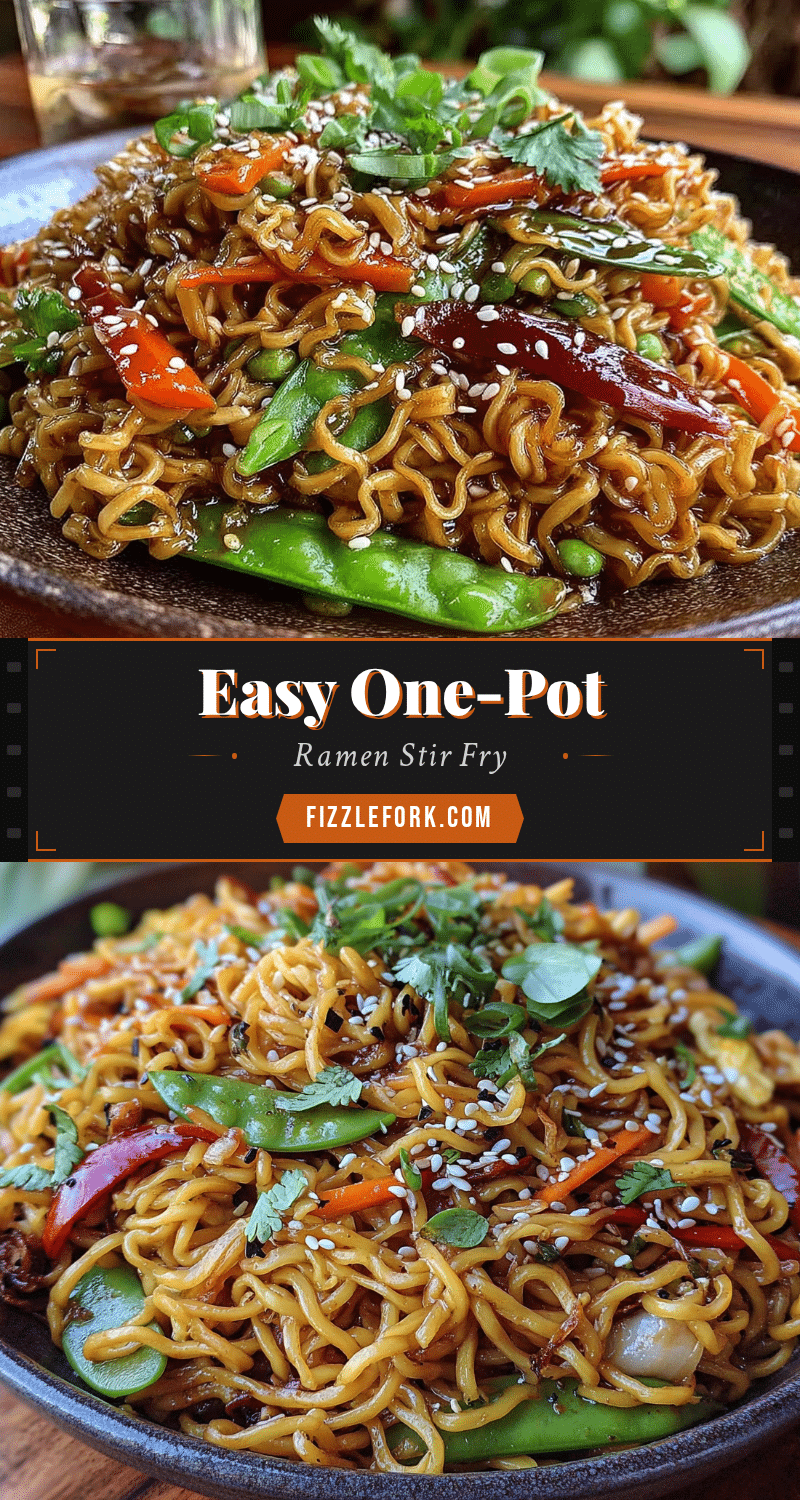
Easy One-Pot Ramen Noodle Stir Fry – Best 20-Minute Dinner
This Easy One-Pot Ramen Noodle Stir Fry transforms humble instant ramen into a savory-sweet, glossy noodle dish with crisp vegetables, all cooked in a single pan in under 20 minutes. Perfect for busy weeknights when you need a quick, satisfying dinner that tastes like takeout.
- Prep Time: 5 minutes
- Cook Time: 15 minutes
- Total Time: 20 minutes
- Yield: 4 servings 1x
- Category: Main Course
- Cuisine: Asian
Ingredients
- 3 packages instant ramen noodles (seasoning packets discarded)
- 3 tablespoons soy sauce (low-sodium recommended)
- 2 tablespoons honey
- 1 tablespoon toasted sesame oil
- 1 tablespoon rice vinegar
- 4 cloves garlic, minced
- 1 tablespoon fresh ginger, grated
- 2 tablespoons vegetable oil (avocado, canola, or grapeseed)
- 3 cups mixed vegetables (shredded carrots, bell peppers, snap peas, broccoli florets; frozen blend works)
- 4 green onions, sliced
- 1 tablespoon sesame seeds (optional)
- 1 ½ cups water
Instructions
- Prep your ingredients first: Mince garlic, grate ginger, slice green onions, chop vegetables into bite-sized pieces. Whisk together soy sauce, honey, sesame oil, and rice vinegar in a small bowl. Set everything near the stove.
- Heat your pan: Place a large skillet or wok over medium-high heat and add vegetable oil. Heat until oil shimmers, about 30 seconds.
- Aromatics first: Add minced garlic and grated ginger to hot oil. Stir constantly for 15-20 seconds until fragrant. Do not let them burn.
- Cook the vegetables: Add mixed vegetables to the pan. Spread in an even layer and cook undisturbed for 1 minute to get some char. Then stir-fry for 2-3 minutes until crisp-tender. If using frozen vegetables, add straight from freezer.
- Add the noodles and water: Break ramen blocks into quarters over the pan and scatter over vegetables. Pour in 1 ½ cups water. Cover pan with a lid and cook for 2 minutes to soften noodles.
- Pour in the sauce: Remove lid and pour prepared sauce over noodles. Stir well, breaking up any noodle clumps. Continue cooking until most liquid is absorbed and noodles are tender but still have a bit of chew.
- Finish and toss: Once noodles are glossy and sauce has reduced to a syrupy consistency, remove from heat. If noodles look dry, add a splash more water. If soupy, cook another 30 seconds uncovered.
- Garnish and serve: Sprinkle with sliced green onions and sesame seeds. Serve immediately.
Notes
Don’t overcook the noodles; they continue to soften after removing from heat. Keep heat high for proper stir fry char. Break ramen blocks into quarters for even cooking. Prep all ingredients before starting. Use a 12-inch pan for best results. Taste and adjust seasoning as needed.
Nutrition
- Serving Size: 1 serving
- Calories: 385
- Sugar: 12
- Sodium: 890
- Fat: 14
- Saturated Fat: 3
- Carbohydrates: 52
- Fiber: 5
- Protein: 10
Keywords: ramen noodle stir fry, one-pot dinner, quick weeknight dinner, easy ramen recipe, vegetable stir fry, 20-minute meal