I didn’t trust the honey on a charcuterie board. For years, I thought it was a gimmick—something that looked pretty in photos but would inevitably make everything sticky and weird. Sweet and salty, sure, I get the concept. But a drizzle of honey over prosciutto? That felt like a line too far. Then my friend Jess, who hosts the kind of parties where people actually linger, handed me a plate with a smear of goat cheese, a ribbon of honey, and a single toasted walnut. She didn’t say anything. Just watched. And honestly, I was annoyed at how good it was. The honey didn’t dominate. It just… connected everything. That moment sent me down a rabbit hole of figuring out how to build a board that actually works—not just a pile of fancy ingredients, but a curated experience where each bite feels intentional. This guide to building your own charcuterie board with honey and nuts is the result of all that testing (and eating). It’s not about perfection. It’s about the quiet satisfaction of getting it right.
Why You’ll Love This Recipe
This isn’t just another cheese plate. This is a build-your-own charcuterie board experience that takes the guesswork out of party hosting. I’ve tested dozens of combinations, and this version with honey and nuts is the one that consistently gets the most compliments—and the most requests for the recipe.
- Simple to Assemble : No cooking required. Just smart arranging. You can have this board ready in under 15 minutes.
- Flexible for Any Crowd : Whether it’s game day or a quiet dinner party, this board adapts. Swap cheeses, switch meats, change the honey varietal—it always works.
- Perfect for Entertaining : Let’s face it, nobody wants to be stuck in the kitchen when guests arrive. This board lets you be part of the party.
- Naturally Gluten-Free & Adaptable : Easy to make dairy-free or nut-free by swapping a few key ingredients. Everyone gets to eat.
- Unbelievably Delicious : The combination of salty cured meats, creamy cheese, crunchy nuts, and that floral honey drizzle? It’s the kind of bite that makes you pause mid-conversation.
What makes this different from every other charcuterie board tutorial out there is the technique. I’m not just telling you to put things on a board. I’m showing you how to layer textures and flavors so that every single bite is balanced. The honey isn’t an afterthought—it’s the thread that ties everything together. This is comfort food for grown-ups, reimagined as a shareable experience.
What Ingredients You Will Need
This recipe uses simple, high-quality ingredients to deliver bold flavor and satisfying texture without the fuss. The magic is in the combination, not the complexity.
For the Meats (Choose 2-3):
- 6 oz Prosciutto, thinly sliced (I prefer Prosciutto di Parma for its delicate, buttery texture)
- 6 oz Salami, such as Genoa or Soppressata, sliced (look for a brand with visible peppercorns)
- 4 oz Spanish Chorizo, sliced (the cured, ready-to-eat kind, not the raw cooking chorizo)
For the Cheeses (Choose 3-4):
- 4 oz Aged Cheddar (sharp, crumbly—I like Kerrygold)
- 4 oz Soft Goat Cheese (a log of Chevre works perfectly)
- 4 oz Brie or Camembert (leave it out for 30 minutes to come to room temp for best spreadability)
- 4 oz Manchego (sliced into thin wedges)
For the Honey & Nuts:
- 1/3 cup High-quality honey (orange blossom or wildflower are my go-to choices)
- 1/2 cup Toasted almonds (or Marcona almonds if you want to feel fancy)
- 1/2 cup Candied pecans or walnuts (store-bought is fine, but homemade is better)
- 1/4 cup Pistachios, shelled (adds a pop of color)
For Accompaniments:
- 1/2 cup Dried apricots or figs
- 1/2 cup Castelvetrano olives (green, buttery—my absolute favorite for boards)
- 1 small bunch of red grapes, washed and separated into small clusters
- Crackers or sliced baguette (choose a neutral cracker that won’t compete with flavors)
- Fresh thyme or rosemary sprigs for garnish (optional, but lovely)
Ingredient Selection Tips: When choosing honey, look for one that’s labeled “raw” or “unfiltered” if possible. It has more complex floral notes. For the nuts, toasting them yourself in a dry pan for 2-3 minutes makes a huge difference in flavor. If you’re avoiding nuts, try roasted chickpeas or pumpkin seeds instead.
Equipment Needed
You don’t need much to make a stunning board. Here’s what I use:
- A Large Wooden Board or Slate : At least 12×18 inches. A wooden cutting board works perfectly. I found mine at a thrift store for $8.
- Small Bowls or Ramekins : For the honey and olives. Anything small works—even espresso cups.
- Cheese Knives : One for hard cheese, one for soft. If you don’t have cheese knives, a paring knife and a butter knife will do the job.
- Tongs or Small Spoons : For serving the olives and honey.
- Parchment Paper : Optional, but useful if your board is porous or if you want easier cleanup.
Budget-Friendly Note: Don’t have a cheese board? A baking sheet lined with parchment paper works beautifully. I’ve done it for parties with 20 people and nobody noticed—or cared.
Preparation Method
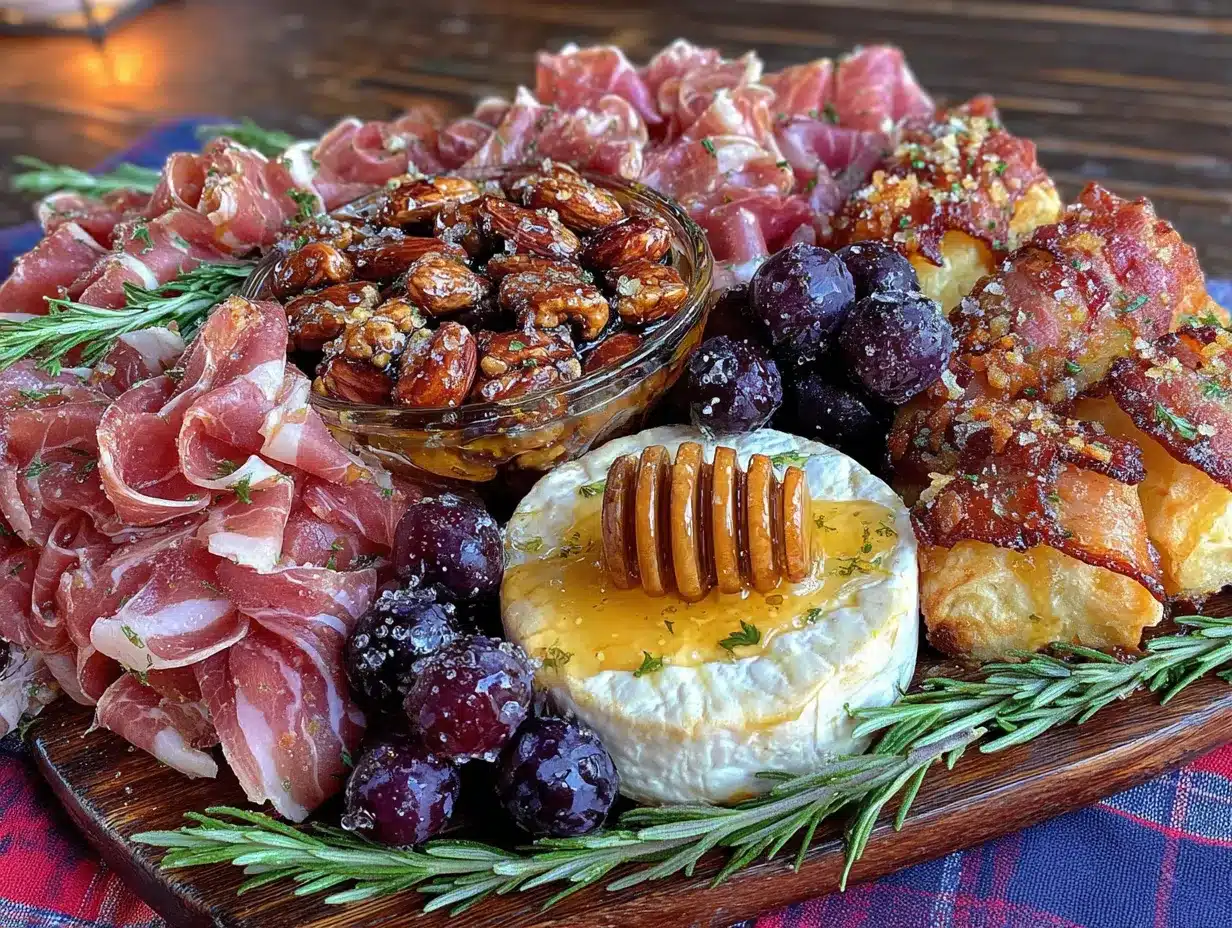
Follow these steps, and you’ll have a board that looks like it took hours. It didn’t. But nobody needs to know that.
- Bring Cheeses to Room Temperature (30 minutes before serving): Take your cheeses out of the fridge. This is non-negotiable. Cold cheese doesn’t release its full flavor. Let them sit on the counter while you prep everything else.
- Toast the Nuts (if needed): In a dry skillet over medium heat, toast the almonds and pecans for 2-3 minutes, shaking the pan frequently. You’ll know they’re done when they smell nutty and look slightly darker. Transfer to a plate to cool completely.
- Prepare the Honey: If your honey is crystallized or too thick to drizzle, place the jar in a bowl of warm water for 5 minutes. Do not microwave it—that destroys the delicate flavor compounds.
- Place the Bowls First: Set your small bowls or ramekins on the board. Put the honey in one and the olives in another. This anchors your layout. Space them about 6 inches apart.
- Place the Cheeses: Position the cheeses around the board. Spread them out so they aren’t all clustered in one corner. The Brie and goat cheese should be placed with their knives nearby. The cheddar and Manchego can be pre-sliced into wedges or thin triangles.
- Add the Meats: Fold the prosciutto into loose ribbons. Drape the salami and chorizo in small piles. Don’t lay them flat—folded meat looks more abundant and is easier to grab. Place the meats near the cheeses they pair best with (prosciutto near the Brie, salami near the cheddar).
- Fill in with Nuts and Dried Fruit: Scatter the nuts in small clusters around the board. Add the dried apricots and figs in between. This fills the visual gaps and adds texture.
- Add the Grapes: Place small clusters of grapes around the board. They add color and a fresh, juicy contrast to the rich meats and cheeses.
- Arrange the Crackers: Fan the crackers or baguette slices around the edges of the board. Don’t pile them in one spot—scatter them so guests can reach from any angle.
- Drizzle the Honey (just before serving): Using a spoon or a squeeze bottle, drizzle a thin ribbon of honey over the goat cheese and a small section of the nuts. Don’t drizzle everything—leave some elements dry so guests can control their own honey-to-cheese ratio.
- Garnish and Serve: Tuck a few sprigs of fresh thyme or rosemary around the board for color. Serve immediately. The board should look abundant but not crowded—guests should be able to grab items without knocking things over.
Sensory Cue: When you fold the prosciutto, it should feel silky and pliable. If it tears easily, it’s too cold. Let it sit out for 5 minutes before handling.
Cooking Tips & Techniques
I’ve made a lot of boards. Some were stunning. Some were… learning experiences. Here’s what I wish someone had told me.
The Three-Texture Rule: Every section of the board should have at least three textures—something creamy (cheese), something crunchy (nuts or crackers), and something chewy (dried fruit or meat). If any section is missing one, add it. This is the secret to a board that feels balanced.
Don’t Overcrowd: I once packed a board so full that guests couldn’t reach the crackers without knocking over a pile of nuts. Leave about 20% of the board surface visible. It looks more inviting and is easier to eat from.
The Honey Timing: Add the honey drizzle right before serving. If you do it too early, the honey seeps into the cheese and makes everything soggy. Trust me on this—I learned the hard way at a party where my Brie turned into a sticky mess.
Pairing with Other Dishes: This board pairs beautifully with a honey garlic grilled chicken thighs recipe for a main course that echoes the sweet-savory theme. Or, if you’re hosting a game day gathering, serve it alongside bacon jalapeno popper dip for a crowd-pleasing spread.
Room Temperature is Everything: I cannot stress this enough. A cold Brie tastes like butter-flavored rubber. A room-temperature Brie is a revelation. Set everything out 30 minutes before guests arrive.
Variations & Adaptations
This board is endlessly adaptable. Here are some of my favorite variations:
Seasonal Fruit Swap: In summer, replace the grapes with fresh figs or sliced peaches. In fall, add thin apple slices and a sprinkle of cinnamon. The honey ties everything together regardless of the season.
Vegan Version: Use vegan cheese alternatives (I like Miyoko’s brand for their creamy texture), replace honey with agave or date syrup, and load up on roasted vegetables like bell peppers and artichoke hearts.
Spicy Honey Board: Infuse your honey with chili flakes or a drizzle of hot honey. It adds a kick that cuts through the richness of the cheese and meat. I tried this for a football party, and it disappeared in 20 minutes.
Nut-Free Option: Replace all nuts with roasted chickpeas, pumpkin seeds, or sunflower seeds. The texture changes slightly, but the crunch factor remains.
Breakfast Board: Swap the salami for smoked salmon, add cream cheese, capers, and thin bagel chips. Drizzle the honey over the cream cheese. Trust me—it works.
For a complete party spread, consider adding a sweet finish like homemade fruit and nut granola bars for guests who want a handheld treat.
Serving & Storage Suggestions
Serve the board at room temperature. I know I keep saying this, but it matters that much. The honey should be fluid enough to drizzle, the cheese should be soft, and the nuts should be crunchy.
What to Serve Alongside: This board pairs wonderfully with a crisp white wine like Sauvignon Blanc or a dry rosé. For non-alcoholic options, sparkling water with a slice of lemon works beautifully to cleanse the palate between bites.
Storage: This board is best enjoyed immediately. However, if you have leftovers, store each component separately. Wrap cheeses in wax paper (not plastic wrap—it makes them sweat), put meats in an airtight container, and store nuts and dried fruit in sealed bags. The honey can stay at room temperature.
Reheating: Don’t. Just don’t. Serve leftovers cold or at room temperature. The only exception is if you have leftover toasted nuts—refresh them in a 300°F oven for 3 minutes.
Flavor Development: The honey will crystallize over time, but that’s fine. If you’re making this for a party, assemble everything except the honey drizzle up to 2 hours in advance. Cover loosely with plastic wrap and refrigerate. Add the honey and crackers just before serving.
Nutritional Information & Benefits
This board is indulgent, but it also has some surprising nutritional perks. Here’s the breakdown per serving (approximately 1/6 of the board):
- Calories: 450-550 (varies based on cheese and meat choices)
- Protein: 18-22g (from meats and cheese)
- Healthy Fats: 28-35g (nuts, cheese, olive oil in meats)
- Carbohydrates: 20-25g (mostly from honey, fruit, and crackers)
- Fiber: 3-5g (from nuts and dried fruit)
Health Benefits: Nuts are packed with heart-healthy monounsaturated fats and vitamin E. Honey contains antioxidants and has antibacterial properties. The cheese provides calcium and protein. Even the red grapes offer resveratrol, a compound linked to heart health.
Dietary Considerations: This board is naturally gluten-free if you use gluten-free crackers. For dairy-free, swap all cheeses for plant-based alternatives. The honey makes it unsuitable for strict vegans, but agave syrup works as a substitute.
Potential Allergens: Contains dairy, tree nuts, and (depending on crackers) gluten. Always check labels if serving guests with allergies.
Conclusion
This build-your-own charcuterie board with honey and nuts is the recipe I turn to when I want to impress without stress. It’s forgiving, flexible, and genuinely delicious. The honey isn’t a gimmick—it’s the bridge between salty cheese, savory meat, and crunchy nuts. Every time I make it, I remember that moment with Jess, and I smile.
I’d love to hear how your board turns out. Did you try a variation? Swap in a different honey? Leave a comment below and tell me about it. And if you found this guide helpful, share it with a friend who loves hosting as much as you do. Happy snacking!
Frequently Asked Questions
Can I make this board ahead of time?
Yes, but with one rule: don’t add the honey or crackers until just before serving. Assemble everything else up to 2 hours ahead, cover loosely, and refrigerate. Let it sit at room temperature for 20 minutes before adding the final touches.
What’s the best honey for a charcuterie board?
Orange blossom honey is my top pick—it’s floral but not overpowering. Wildflower honey works well too. Avoid honey that’s too dark or strongly flavored (like buckwheat honey), as it can overpower the cheese.
How do I keep the nuts from getting soggy?
Store them separately until you’re ready to assemble the board. Also, toast them just before serving—the heat drives off moisture and keeps them crunchy longer. If they do get soft, refresh them in a 300°F oven for 2 minutes.
What if I don’t have a wooden board?
No problem! A large ceramic platter, a marble slab, or even a clean baking sheet lined with parchment paper works perfectly. The presentation matters less than the flavor and texture.
How much should I make per person?
For a party where this is the main snack, plan on 2-3 ounces of meat and 2-3 ounces of cheese per person. For a pre-dinner appetizer, 1-2 ounces of each is plenty. When in doubt, make extra—leftovers make fantastic lunch the next day.
Pin This Recipe!
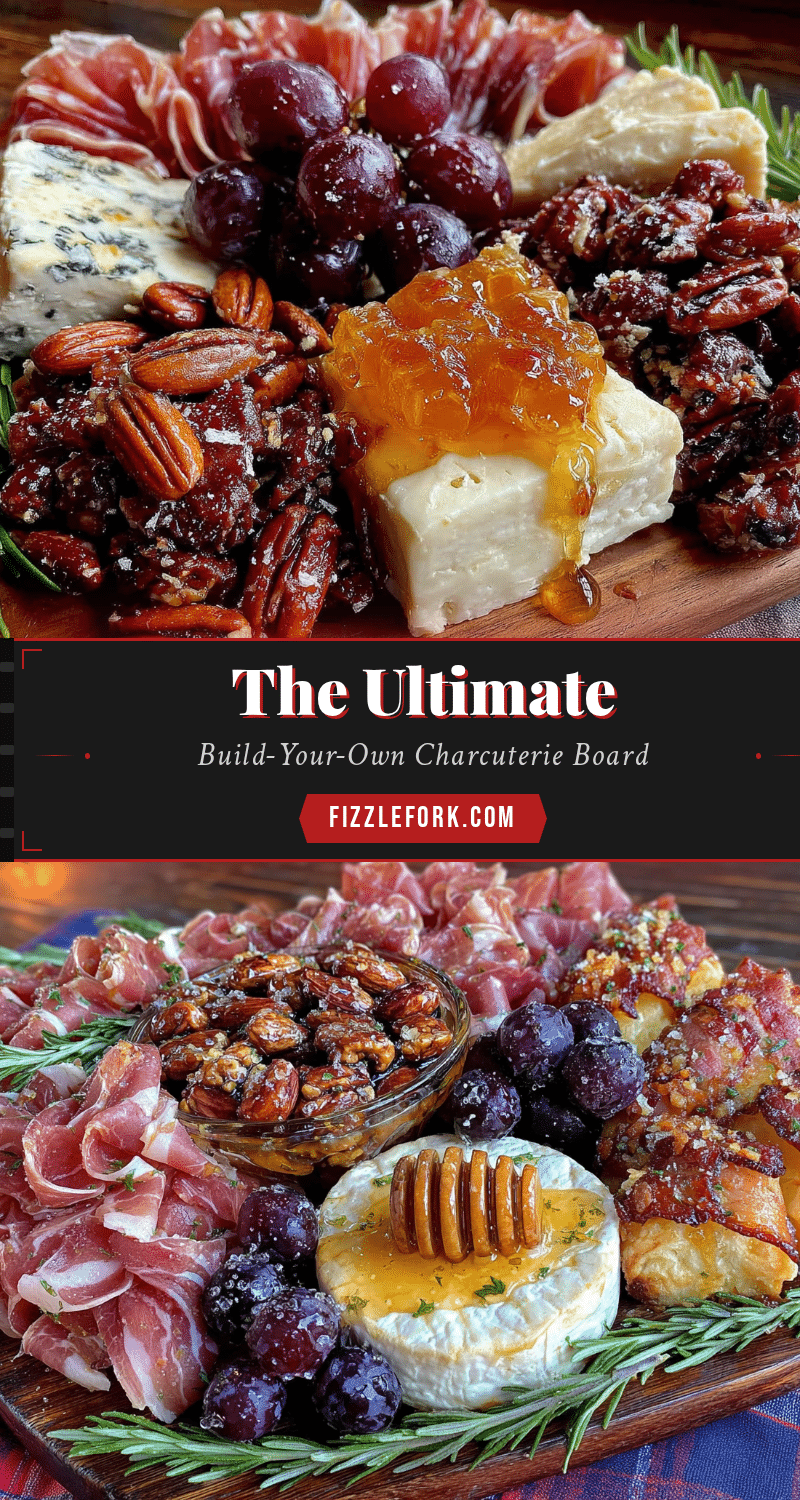
Build Your Own Charcuterie Board with Honey and Nuts
A curated charcuterie board featuring honey and nuts, with tips for balancing textures and flavors. Perfect for entertaining, this guide shows you how to assemble a stunning board in under 15 minutes.
- Prep Time: 15 minutes
- Cook Time: 5 minutes
- Total Time: 20 minutes
- Yield: 6 servings 1x
- Category: Appetizer
- Cuisine: American
Ingredients
- 6 oz Prosciutto, thinly sliced (preferably Prosciutto di Parma)
- 6 oz Salami, such as Genoa or Soppressata, sliced
- 4 oz Spanish Chorizo, sliced (cured, ready-to-eat)
- 4 oz Aged Cheddar (sharp, crumbly, like Kerrygold)
- 4 oz Soft Goat Cheese (Chevre log)
- 4 oz Brie or Camembert (room temperature)
- 4 oz Manchego (sliced into thin wedges)
- 1/3 cup High-quality honey (orange blossom or wildflower)
- 1/2 cup Toasted almonds (or Marcona almonds)
- 1/2 cup Candied pecans or walnuts
- 1/4 cup Pistachios, shelled
- 1/2 cup Dried apricots or figs
- 1/2 cup Castelvetrano olives
- 1 small bunch red grapes, washed and separated into small clusters
- Crackers or sliced baguette (neutral flavor)
- Fresh thyme or rosemary sprigs for garnish (optional)
Instructions
- Bring cheeses to room temperature (30 minutes before serving).
- Toast the nuts (if needed): In a dry skillet over medium heat, toast almonds and pecans for 2-3 minutes, shaking frequently. Transfer to a plate to cool.
- Prepare the honey: If crystallized or too thick, place the jar in a bowl of warm water for 5 minutes. Do not microwave.
- Place small bowls or ramekins on the board for honey and olives, spacing them about 6 inches apart.
- Position the cheeses around the board, spreading them out. Place Brie and goat cheese with their knives nearby; pre-slice cheddar and Manchego into wedges or triangles.
- Fold prosciutto into loose ribbons. Drape salami and chorizo in small piles. Place meats near complementary cheeses (prosciutto near Brie, salami near cheddar).
- Scatter nuts in small clusters around the board. Add dried apricots and figs in between to fill visual gaps.
- Place small clusters of grapes around the board.
- Fan crackers or baguette slices around the edges of the board, scattering them for easy access.
- Just before serving, drizzle a thin ribbon of honey over the goat cheese and a small section of nuts. Leave some elements dry.
- Garnish with fresh thyme or rosemary sprigs. Serve immediately.
Notes
Bring cheeses to room temperature for best flavor. Add honey drizzle just before serving to prevent sogginess. Leave about 20% of the board surface visible to avoid overcrowding. For a vegan version, use plant-based cheese and agave syrup instead of honey.
Nutrition
- Serving Size: 1/6 of board
- Calories: 500
- Sugar: 14
- Sodium: 800
- Fat: 31
- Saturated Fat: 12
- Carbohydrates: 22
- Fiber: 4
- Protein: 20
Keywords: charcuterie board, honey, nuts, cheese board, appetizer, party food, gluten-free, entertaining