My husband had refused to eat meatloaf for fifteen years. Fifteen years. He claimed it was “depressing cafeteria food” and “what they serve at funerals.” Then, last March, I made this version on a rainy Tuesday, mostly because we had a pound of ground beef that needed using and I was too tired to care about his opinions. I set it on the table, sliced into it, and watched him eat two helpings before he looked up and said, “Wait, what is this?”
I mean, honestly. The man had been missing out for a decade and a half. But here’s the thing — I almost missed out too. I had my own complicated history with meatloaf. My grandmother made a version that was more like a brick of ketchup-covered sawdust, and I’d spent my adult years avoiding the whole category. Then a neighbor dropped off a slice of hers during a rough week, and something clicked. The texture was tender, not dense. The glaze was sweet and sticky, not watery. It tasted like someone actually cared about it.
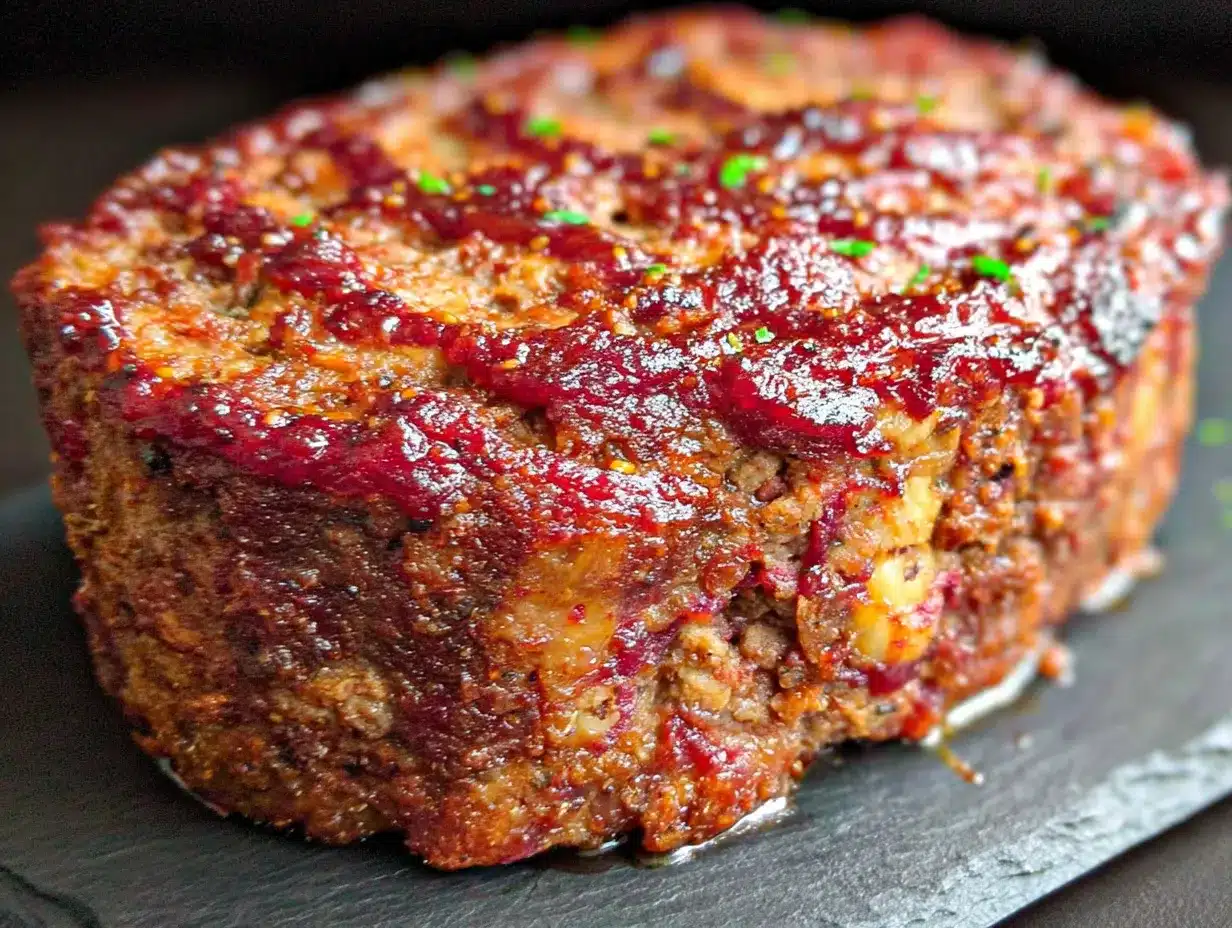
That’s the thing about this recipe. It’s not trying to be fancy or reinvent anything. It’s just meatloaf done right — the kind that makes you wonder why you ever doubted it in the first place. The brown sugar glaze caramelizes into this gorgeous, sticky crust that contrasts perfectly with the juicy, tender meat inside. You know that feeling when something tastes exactly like it should? That’s this.
I’ve tweaked this version over dozens of batches — adjusting the ratio of beef to pork, testing different binders, figuring out the exact glaze timing. It’s the one I keep coming back to, the one that converted a skeptic and reminded me that some classics are classics for a reason. Maybe you’ve had your own meatloaf disappointments. Maybe you’re the skeptic in your house. Either way, this one might just change your mind.
Why You’ll Love This Recipe
This isn’t just another meatloaf recipe you’ll find on Pinterest. I’ve tested this version more times than I can count, tweaking every detail until it was exactly right. Here’s why it stands out:
- Quick & Easy : Comes together in about 15 minutes of active prep, then the oven does the rest. Perfect for those evenings when you need dinner sorted without a production.
- Simple Ingredients : Ground beef, breadcrumbs, eggs, onion, ketchup, brown sugar — you probably have most of this in your kitchen right now. No special grocery trips required.
- Perfect for Cozy Nights : This is the definition of comfort food. Rainy evenings, cold winter nights, or just one of those days where you need something warm and familiar.
- Crowd-Pleaser : Kids love the sweet glaze. Adults appreciate the savory depth. Even my fifteen-year skeptic couldn’t resist.
- Unbelievably Delicious : The texture is the real magic here — tender without being mushy, firm enough to slice cleanly, with that caramelized brown sugar crust that’s honestly the best part.
What makes this recipe different from the rest? Two things. First, the combination of ground beef and ground pork gives you that perfect balance of flavor and moisture — all-beef meatloaf tends to be dry, but the pork adds richness without being greasy. Second, the brown sugar glaze isn’t just slapped on top. You brush it on in layers during the last 20 minutes of baking, letting it caramelize into that sticky, glossy coating that makes every bite special.
This recipe is the kind that makes you close your eyes after the first bite. It’s comfort food reimagined — familiar but somehow better than you remember, with the same soul-soothing satisfaction that makes meatloaf a classic in the first place.
What Ingredients You Will Need
This recipe uses simple, honest ingredients to create something genuinely satisfying. Most of these are pantry staples, which is exactly how comfort food should be.
For the Meatloaf
- Ground beef (1 ½ pounds, 80/20 blend) — The 80/20 ratio gives you enough fat for moisture without making the loaf greasy. I prefer ground chuck for the best flavor-to-fat ratio.
- Ground pork (½ pound) — This is my secret weapon. The pork adds tenderness and richness that all-beef meatloaf just can’t match. Ask your butcher to grind it fresh if possible.
- Yellow onion (1 medium, finely diced) — Sauté it first. Trust me on this. Raw onion releases too much water during baking and makes the meatloaf soggy. A quick sauté in butter transforms the flavor completely.
- Garlic (3 cloves, minced) — Because everything needs garlic. Fresh is non-negotiable here.
- Breadcrumbs (1 cup, plain) — Panko works beautifully for a lighter texture. Regular breadcrumbs are fine too. If you’re gluten-free, use crushed pork rinds or gluten-free breadcrumbs.
- Eggs (2 large, lightly beaten) — The binder that holds everything together. Room temperature eggs incorporate more evenly.
- Whole milk (½ cup) — Adds moisture and helps the breadcrumbs absorb properly. You can substitute buttermilk for extra tang or oat milk for dairy-free.
- Worcestershire sauce (2 tablespoons) — That deep, savory umami note that makes meatloaf taste like meatloaf. Lea & Perrins is my go-to brand.
- Ketchup (¼ cup, for the meat mixture) — Adds sweetness and acidity that balances the richness.
- Dried thyme (1 teaspoon) — Earthy and warm, it complements the beef beautifully.
- Dried parsley (1 tablespoon) — For color and freshness.
- Salt (1 ½ teaspoons) — Don’t skimp. Meatloaf needs proper seasoning.
- Black pepper (½ teaspoon, freshly ground) — Freshly ground makes a noticeable difference.
For the Brown Sugar Glaze
- Ketchup (½ cup) — The base of the glaze. Use a good-quality brand like Heinz for consistent results.
- Brown sugar (⅓ cup, packed) — Light or dark both work. Dark brown sugar gives a deeper, more molasses-like flavor.
- Apple cider vinegar (1 tablespoon) — Cuts through the sweetness and adds necessary acidity.
- Worcestershire sauce (1 teaspoon) — For depth.
- Dijon mustard (1 teaspoon) — Adds a subtle tang that balances the sweet glaze.
For the best results, I recommend using organic ketchup and high-quality Worcestershire sauce. The glaze is simple enough that each ingredient’s flavor really comes through, so using good components matters. In summer, I sometimes swap in homemade ketchup from farmers market tomatoes — it’s incredible but honestly, the store-bought version works perfectly.
Equipment Needed
- 9×5-inch loaf pan — Standard size works perfectly. Glass or metal both work, but metal conducts heat more evenly.
- Large mixing bowl — You need enough room to get your hands in there and mix everything thoroughly.
- Small skillet — For sautéing the onion and garlic.
- Small bowl — For mixing the glaze.
- Baking sheet — Place the loaf pan on a baking sheet to catch any drips during baking. Trust me, you’ll be glad you did.
- Pastry brush — For applying the glaze in layers. A silicone brush works great and is easy to clean.
- Meat thermometer — Not optional. This is how you guarantee perfectly cooked meatloaf every single time. A digital instant-read thermometer is worth the investment.
- Parchment paper — Lining the loaf pan makes removal effortless. If you don’t have it, grease the pan well with butter.
- Cooling rack — Letting the meatloaf rest on a rack prevents the bottom from getting soggy.
If you don’t have a loaf pan, you can shape the meatloaf free-form on a lined baking sheet. It will cook a bit faster, so start checking temperature about 10 minutes early. I’ve also used a cast iron skillet in a pinch — it gives the meatloaf a lovely crust on the bottom, though it’s harder to slice neatly.
My favorite budget-friendly tip: skip the fancy pastry brush and use a clean basting brush from the dollar store. It does the exact same job for a fraction of the price.
Preparation Method
- Preheat your oven to 350°F (175°C). Position the rack in the center of the oven. Line your loaf pan with parchment paper, leaving some overhang on the long sides — this will make lifting the meatloaf out much easier later.
- Sauté the aromatics. Heat 1 tablespoon of butter or olive oil in a small skillet over medium heat. Add the finely diced onion and cook for 4-5 minutes until translucent and fragrant. Add the minced garlic and cook for another 30 seconds — just until you can smell it. Remove from heat and let it cool for a few minutes. This step is crucial; if you add hot onion to the meat mixture, it can start cooking the meat prematurely.
- Make the glaze. In a small bowl, whisk together ½ cup ketchup, ⅓ cup packed brown sugar, 1 tablespoon apple cider vinegar, 1 teaspoon Worcestershire sauce, and 1 teaspoon Dijon mustard. Set aside. The glaze will look a bit thin now, but it will thicken and caramelize beautifully during baking.
- Combine the meatloaf ingredients. In a large mixing bowl, combine 1 ½ pounds ground beef, ½ pound ground pork, the cooled sautéed onion and garlic, 1 cup breadcrumbs, 2 lightly beaten eggs, ½ cup whole milk, 2 tablespoons Worcestershire sauce, ¼ cup ketchup, 1 teaspoon dried thyme, 1 tablespoon dried parsley, 1 ½ teaspoons salt, and ½ teaspoon black pepper.
- Mix gently but thoroughly. Here’s where most people go wrong. Use your hands — yes, get in there — and mix just until everything is evenly distributed. Overmixing develops the protein too much and makes the meatloaf tough. You should see everything incorporated but the mixture should still look a bit loose. If it feels too wet, add another tablespoon of breadcrumbs. Too dry? Add a splash more milk.
- Shape and place in the pan. Transfer the mixture to your parchment-lined loaf pan. Gently press it in, making sure there are no air pockets. Don’t pack it down too firmly — you want it to hold together but still be tender. Shape the top into a slight dome so it bakes evenly.
- Initial bake. Place the loaf pan on a baking sheet (this catches any drips) and bake for 45 minutes. The meatloaf should be starting to brown on top and pulling away from the sides of the pan slightly.
- Apply the glaze in layers. After 45 minutes, carefully remove the pan from the oven. Brush a generous layer of the brown sugar glaze over the top and sides of the meatloaf. Return to the oven and bake for 10 minutes. Apply another layer of glaze and bake for another 10 minutes. The glaze should be bubbling, sticky, and deeply caramelized.
- Check the internal temperature. Insert your meat thermometer into the center of the meatloaf. You’re looking for 160°F (71°C). If it’s not there yet, continue baking in 5-minute increments, checking each time. Don’t rush this step — undercooked meatloaf is unsafe, but overcooked meatloaf is dry.
- Rest before slicing. This is the hardest part. Remove the meatloaf from the oven and let it rest in the pan for 10 minutes. Then use the parchment paper to lift it out and transfer to a cutting board. Let it rest for another 5 minutes. I know you’re hungry, but this rest period allows the juices to redistribute throughout the meat. If you slice too early, all that moisture will end up on the cutting board instead of in your mouth.
- Slice and serve. Use a sharp knife to cut clean slices, about 1-inch thick. Spoon any extra glaze from the pan over the slices before serving.
Pro tip: The meatloaf will look like it’s releasing a lot of liquid during the first 45 minutes of baking. Don’t panic — that’s normal. Most of it will reabsorb during the final baking and resting stages. If there’s excess liquid in the pan after baking, you can spoon it off before glazing.
Cooking Tips & Techniques
After making this recipe at least thirty times (I stopped counting after my husband’s conversion), I’ve learned a few things the hard way. Here’s what I wish someone had told me:
Don’t skip the panade. The milk and breadcrumb mixture is called a panade, and it’s the secret to tender meatloaf. The breadcrumbs absorb the milk and create a paste that coats the meat proteins, preventing them from binding too tightly. Without it, you get a dense, tough loaf. I once forgot the milk and ended up with something that could have been used as a doorstop.
Let your ingredients come to room temperature. Cold eggs and milk will seize up the fat in the ground meat, leading to uneven cooking. Take everything out of the fridge 20 minutes before you start mixing. It’s a small step that makes a noticeable difference.
Use a light hand when mixing. I cannot stress this enough. Mix until you can’t see any more streaks of egg or pockets of breadcrumbs, then stop. Every extra squeeze of your hands compacts the meat more. Think of it like making meatballs — gentle is the goal.
The glaze timing matters. Don’t put the glaze on at the beginning of baking. It will burn and turn bitter. Don’t wait until the last 5 minutes either — it won’t have time to caramelize. The 20-minute window at the end of baking is the sweet spot. I learned this the hard way when I forgot to glaze until the last minute and ended up with pale, sad meatloaf.
Test for doneness properly. The meat thermometer should hit 160°F, but make sure you’re testing the center of the loaf, not touching the pan or hitting an air pocket. Insert it from the top at a slight angle to get the true center reading. If you don’t have a thermometer, the meatloaf should be pulling away from the sides of the pan and the juices should run clear when pierced.
Let it rest. I know I’ve said this already, but it deserves repeating. The resting period is when the magic happens. The internal temperature continues to rise about 5 degrees during resting, and the juices settle back into the meat instead of running out onto your plate. I once got impatient and sliced after 5 minutes — the result was dry meatloaf with a puddle of juice on the cutting board. Never again.
Variations & Adaptations
This recipe is incredibly forgiving, and I’ve tried quite a few variations over the years. Here are some of my favorites:
Turkey Meatloaf — Swap the beef and pork for 2 pounds of ground turkey (93/7 blend works best). Add 2 tablespoons of olive oil to compensate for the lower fat content, and consider adding a finely chopped apple for extra moisture. The cooking time stays the same, but turkey meatloaf can dry out faster, so watch that internal temperature carefully.
Gluten-Free Version — Replace the breadcrumbs with 1 cup of crushed pork rinds or gluten-free panko. The pork rinds actually add a wonderful lightness to the texture. I’ve also used almond flour successfully, though it makes the meatloaf slightly denser.
Cheesy Stuffed Meatloaf — After shaping half the meat mixture into the pan, make a shallow well down the center and fill it with ½ cup of shredded cheddar or mozzarella. Top with the remaining meat mixture, sealing the edges well. The melted cheese center is ridiculous in the best way.
Spicy Southwest Version — Add 1 diced jalapeño (seeds removed unless you want heat), ½ cup corn kernels, ½ cup black beans, and 1 teaspoon cumin to the meat mixture. Replace the brown sugar glaze with a chipotle-lime version: ½ cup ketchup, 2 tablespoons honey, 1 minced chipotle in adobo, and juice of 1 lime.
BBQ Meatloaf — Replace the brown sugar glaze with your favorite barbecue sauce. I use a smoky Kansas City-style sauce and add 1 tablespoon of smoked paprika to the meat mixture. It gives the whole thing a backyard cookout vibe, even in the middle of winter.
Mini Meatloaves — Divide the mixture into a 12-cup muffin tin (greased or lined) and bake for 20-25 minutes. Glaze during the last 10 minutes. These are perfect for meal prep, lunchboxes, or when you want individual portions. Plus, they cook in half the time.
My personal favorite variation came about by accident. I was out of breadcrumbs and used crushed saltine crackers instead — about 30 crackers, crushed fine. The meatloaf came out incredibly tender with a slightly buttery flavor. Now I sometimes do it on purpose.
Serving & Storage Suggestions
This meatloaf is at its best served warm, straight from the oven, with that sticky glaze still glistening. Slice it about 1-inch thick and arrange on a platter with plenty of the extra glaze spooned over the top.
What to serve with it: Classic mashed potatoes are the obvious choice, and honestly, they’re perfect. The creamy potatoes soak up any extra glaze beautifully. Roasted green beans or sautéed spinach add a fresh contrast. For a truly cozy meal, serve with buttery egg noodles and a side of roasted carrots. A simple side salad with a tangy vinaigrette cuts through the richness nicely.
Leftovers: Meatloaf sandwiches the next day are arguably better than the original meal. Thin slices on toasted sourdough with a smear of mayo and some crisp lettuce — absolute perfection. You can also crumble leftover meatloaf into pasta sauce or use it as a filling for stuffed peppers.
Storage: Let the meatloaf cool completely, then wrap tightly in plastic wrap or aluminum foil. Store in the refrigerator for up to 4 days. The glaze will soften a bit, but the flavor actually deepens overnight as the seasonings meld.
Freezing: This freezes beautifully. Wrap the cooled, unsliced meatloaf tightly in plastic wrap, then a layer of foil, and freeze for up to 3 months. To thaw, transfer to the refrigerator for 24 hours. Reheat in a 300°F oven, covered with foil, for about 20 minutes, then uncover for the last 5 minutes to crisp up the glaze. You can also freeze individual slices for quick lunches — just wrap each slice in plastic wrap and store in a freezer bag.
Reheating: The oven method is best for maintaining texture. Microwave works in a pinch but will make the edges slightly rubbery. If using the microwave, cover with a damp paper towel and heat in 30-second intervals. For crispy edges, reheat slices in a hot skillet with a splash of water, covered, for 2-3 minutes.
The flavors really do get better after a day or two. Something about the resting time allows the Worcestershire and thyme to fully permeate the meat. I’ve been known to make this recipe specifically for the leftovers.
Nutritional Information & Benefits
Per serving (based on 8 servings, using 80/20 ground beef and whole milk):
- Calories: 385
- Protein: 28g
- Fat: 22g
- Saturated Fat: 8g
- Carbohydrates: 18g
- Fiber: 1g
- Sugar: 12g
- Sodium: 680mg
This recipe provides a solid source of high-quality protein from the beef and pork, which supports muscle health and keeps you feeling full. The onions and garlic offer antioxidants and anti-inflammatory compounds. The eggs add choline, which is important for brain health.
If you’re watching your sodium, you can reduce the salt to 1 teaspoon and use low-sodium ketchup. The Worcestershire sauce still adds plenty of flavor. For a lower-fat version, use 90/10 ground beef and omit the ground pork, adding an extra egg and 2 tablespoons of olive oil for moisture.
This recipe contains gluten (from breadcrumbs), dairy (from milk), and eggs. For allergen-friendly versions, see the variations section above. I personally love that this is a balanced meal on its own — protein, vegetables, and carbs all in one dish, with enough richness to feel truly satisfying without being over-the-top indulgent.
Conclusion
This meatloaf has become a staple in our house for good reason. It’s the recipe I turn to when I need something reliable, something that makes the kitchen smell amazing, something that brings everyone to the table without complaint. The brown sugar glaze is the star — sweet, sticky, caramelized perfection that transforms a humble dish into something genuinely special.
But really, it’s the texture that keeps me coming back. That tender, juicy interior that slices cleanly without falling apart. The way the savory meat balances the sweet glaze. The fact that it’s simple enough for a Tuesday night but impressive enough for company.
I’d love to hear how this turns out for you. Did you try any variations? Did it convert any skeptics in your house? Leave a comment below and let me know — I read every single one, and your feedback helps me make these recipes even better. And if you share it on social media, tag me so I can see your beautiful meatloaf creations.
Go ahead, give it a try. Your kitchen is about to smell incredible.
Frequently Asked Questions
Can I make this meatloaf ahead of time?
Absolutely. You can assemble the meatloaf in the pan, cover it, and refrigerate for up to 24 hours before baking. Just add about 10 minutes to the initial baking time since you’re starting from cold. The glaze should be added fresh during the last 20 minutes of baking.
Why did my meatloaf turn out dry?
The most common culprit is overcooking. Use a meat thermometer and pull the meatloaf at exactly 160°F. Also, make sure you’re using enough fat in your meat blend — 80/20 ground beef is ideal. If you’re using leaner meat, consider adding the ground pork or an extra tablespoon of olive oil.
Can I use ground turkey instead of beef?
Yes, but with adjustments. Use 93/7 ground turkey and add 2 tablespoons of olive oil to the mixture. The cooking time stays roughly the same, but turkey meatloaf can dry out faster, so watch that internal temperature. I also recommend adding a finely chopped apple for extra moisture.
How do I get the glaze to stick better?
Apply the glaze in layers during the last 20 minutes of baking, not all at once at the beginning. The heat caramelizes each layer, creating a sticky coating that adheres to the meat. Also, make sure your meatloaf surface is dry before applying the first layer — pat it gently with a paper towel if needed.
Can I freeze the uncooked meatloaf?
Yes, and it works beautifully. Assemble the meatloaf in the pan, wrap tightly in plastic wrap and then foil, and freeze for up to 3 months. Thaw in the refrigerator for 24 hours before baking. Don’t add the glaze until the last 20 minutes of baking. The texture may be slightly softer than fresh, but the flavor is just as good.
Pin This Recipe!
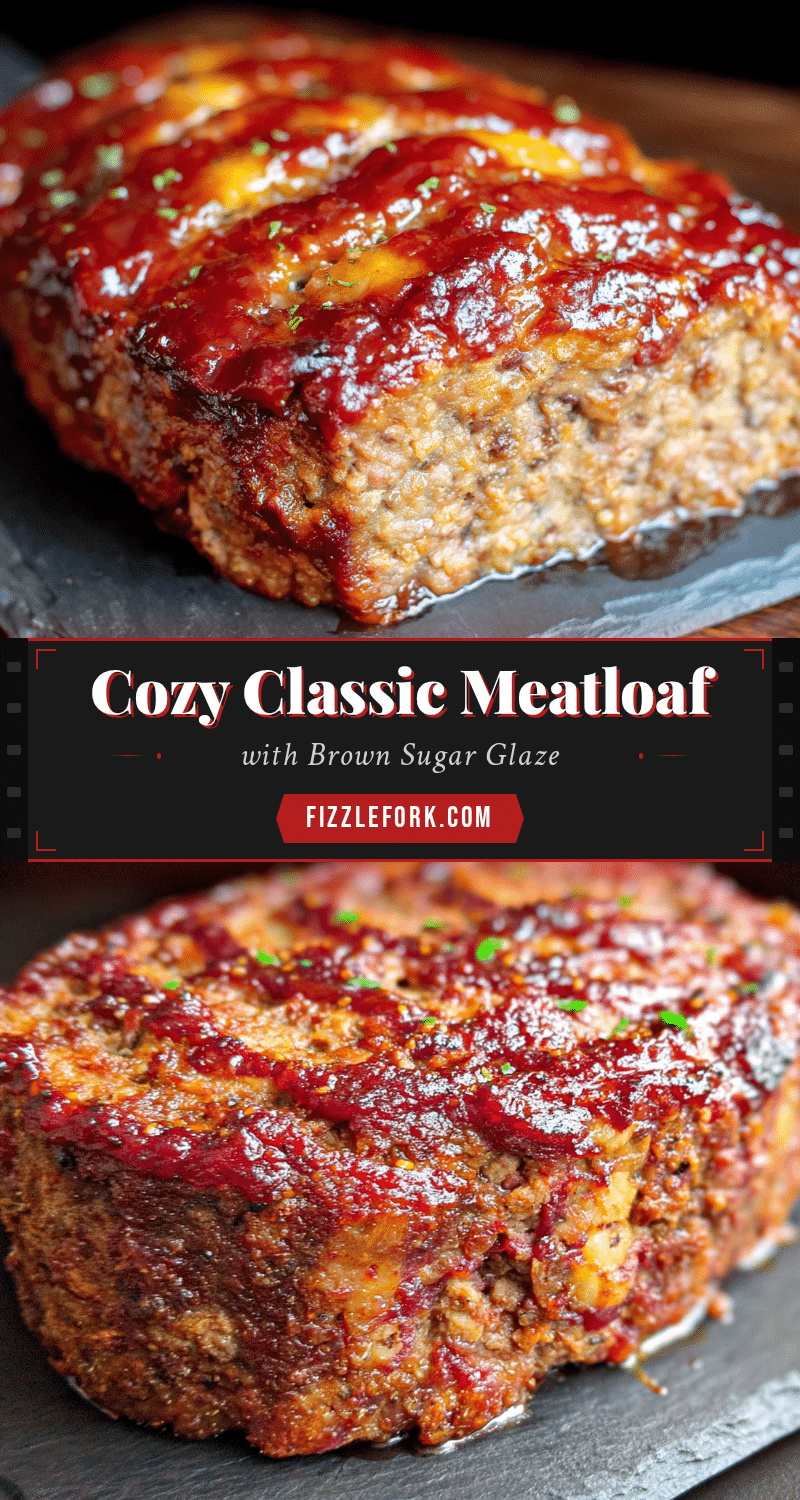
Best Easy Classic Meatloaf with Brown Sugar Glaze
This classic meatloaf features a tender, juicy interior and a sweet, sticky brown sugar glaze that caramelizes into a gorgeous crust. It’s the recipe that converted a fifteen-year meatloaf skeptic and will change your mind about this humble comfort food.
- Prep Time: 15 minutes
- Cook Time: 1 hour 5 minutes
- Total Time: 1 hour 30 minutes
- Yield: 8 servings 1x
- Category: Main Course
- Cuisine: American
Ingredients
- 1 ½ pounds ground beef (80/20 blend)
- ½ pound ground pork
- 1 medium yellow onion, finely diced
- 3 cloves garlic, minced
- 1 cup plain breadcrumbs (panko or regular)
- 2 large eggs, lightly beaten
- ½ cup whole milk
- 2 tablespoons Worcestershire sauce
- ¼ cup ketchup
- 1 teaspoon dried thyme
- 1 tablespoon dried parsley
- 1 ½ teaspoons salt
- ½ teaspoon black pepper
- ½ cup ketchup (for glaze)
- ⅓ cup packed brown sugar (light or dark)
- 1 tablespoon apple cider vinegar
- 1 teaspoon Worcestershire sauce (for glaze)
- 1 teaspoon Dijon mustard
Instructions
- Preheat oven to 350°F (175°C). Line a 9×5-inch loaf pan with parchment paper, leaving overhang on the long sides.
- Sauté aromatics: Heat 1 tablespoon butter or olive oil in a small skillet over medium heat. Cook diced onion for 4-5 minutes until translucent. Add minced garlic and cook 30 seconds. Remove from heat and let cool.
- Make the glaze: In a small bowl, whisk together ½ cup ketchup, ⅓ cup packed brown sugar, 1 tablespoon apple cider vinegar, 1 teaspoon Worcestershire sauce, and 1 teaspoon Dijon mustard. Set aside.
- Combine meatloaf ingredients: In a large bowl, combine ground beef, ground pork, cooled onion and garlic, breadcrumbs, eggs, milk, 2 tablespoons Worcestershire sauce, ¼ cup ketchup, thyme, parsley, salt, and pepper.
- Mix gently with your hands until just combined. Do not overmix.
- Transfer mixture to the prepared loaf pan, pressing gently to remove air pockets. Shape the top into a slight dome.
- Place loaf pan on a baking sheet and bake for 45 minutes.
- After 45 minutes, brush a generous layer of glaze over the top and sides. Bake 10 minutes. Apply another layer of glaze and bake 10 more minutes.
- Check internal temperature with a meat thermometer; it should reach 160°F (71°C). Continue baking in 5-minute increments if needed.
- Remove from oven and let rest in the pan for 10 minutes. Use parchment to lift out and transfer to a cutting board. Rest another 5 minutes before slicing.
- Slice into 1-inch thick slices and serve with extra glaze spooned over the top.
Notes
Don’t skip the panade (milk and breadcrumb mixture) – it ensures a tender texture. Let ingredients come to room temperature before mixing. Use a light hand when mixing to avoid tough meatloaf. Apply glaze only during the last 20 minutes of baking to prevent burning. Let the meatloaf rest before slicing to allow juices to redistribute.
Nutrition
- Serving Size: 1 slice (1-inch thic
- Calories: 385
- Sugar: 12
- Sodium: 680
- Fat: 22
- Saturated Fat: 8
- Carbohydrates: 18
- Fiber: 1
- Protein: 28
Keywords: meatloaf, brown sugar glaze, classic meatloaf, comfort food, ground beef, ground pork, easy dinner